Introduction
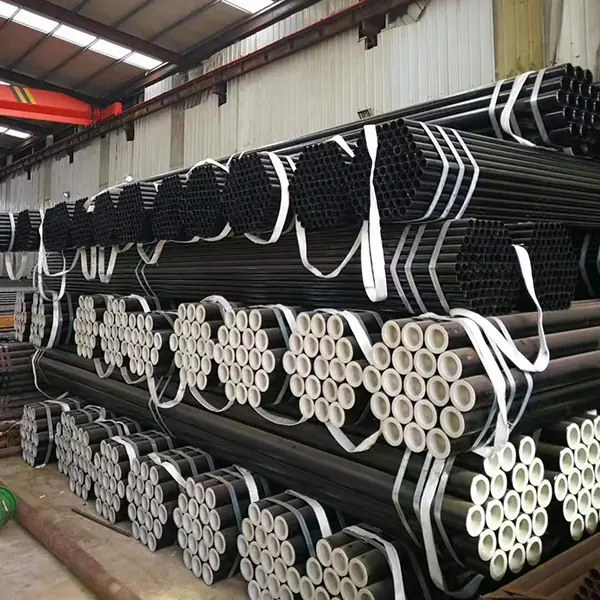
Galvanized steel scaffolding pipe constitutes a fundamental component in temporary access solutions across construction, industrial maintenance, and event staging. This system leverages the corrosion resistance of hot-dip galvanization applied to steel tubes, offering a cost-effective and structurally sound alternative to other scaffolding materials. Its primary function is to provide a safe and stable working platform at height. Within the broader scaffolding industry, galvanized steel scaffolding occupies a dominant position due to its balance of strength, weight, and price. Core performance characteristics include load-bearing capacity, resistance to environmental degradation, and ease of assembly and disassembly. A key industry pain point is ensuring consistent galvanization thickness and adherence to safety standards to prevent premature corrosion and potential structural failure. This guide provides an in-depth examination of galvanized steel scaffolding pipe, covering material science, manufacturing processes, performance engineering, failure modes, and relevant industry standards.
Material Science & Manufacturing
The foundational material is typically carbon steel, most commonly ASTM A53 Grade B or equivalent, chosen for its weldability and tensile strength. The steel’s chemical composition, primarily iron with controlled amounts of carbon, manganese, silicon, and phosphorus, directly impacts its galvanization adherence and overall corrosion resistance. Prior to galvanization, the steel undergoes a rigorous cleaning process consisting of degreasing, pickling (typically with hydrochloric or sulfuric acid to remove mill scale), and rinsing. This prepares the surface for optimal zinc adhesion. Hot-dip galvanization involves immersing the cleaned steel into a molten zinc bath (typically 98% pure zinc) maintained at around 450°C (842°F). A metallurgical reaction occurs, forming a series of zinc-iron alloy layers, culminating in an outer layer of pure zinc. The thickness of the zinc coating is controlled by factors like immersion time, zinc bath composition, and steel surface condition; typical coating thicknesses range from 50-150 μm. Critical manufacturing parameters include maintaining precise temperature control during the galvanization process to ensure uniform coating thickness and prevent defects like dross formation or incomplete coating. Welding, when used to create longer pipe lengths or connections, must adhere to AWS D1.1 standards, employing appropriate welding consumables compatible with galvanized steel to avoid localized corrosion at the weld seam. Post-galvanization inspection includes visual checks for coating defects, thickness measurements using non-destructive testing methods (e.g., magnetic thickness gauges), and potentially metallographic analysis to verify the alloy layer structure.

Performance & Engineering
The load-bearing capacity of galvanized steel scaffolding is governed by several engineering principles. Buckling is a primary concern, particularly for longer unsupported pipe lengths. Euler’s buckling formula is utilized to determine the critical buckling load based on the pipe's material properties (Young’s modulus), cross-sectional geometry (diameter and wall thickness), and effective length. Tensile strength and yield strength of the steel determine the maximum allowable load before permanent deformation or fracture. Connection points, typically using couplers, are critical areas for stress concentration and require robust engineering design to ensure adequate shear and tensile resistance. Environmental resistance is primarily attributed to the zinc coating, which acts as a sacrificial anode, protecting the underlying steel from corrosion. However, the performance of the galvanized coating is influenced by environmental factors like humidity, salinity, and exposure to industrial pollutants. Compliance requirements include adherence to OSHA regulations (in the US) and EN 12811 (in Europe) pertaining to scaffolding safety and load capacity. These standards specify requirements for material properties, design calculations, erection procedures, and inspection protocols. Wind loading is another crucial factor in scaffolding design, requiring consideration of wind speed, scaffolding height, and surface area to calculate the applied forces and ensure structural stability. Galvanized steel exhibits a relatively high coefficient of thermal expansion; this must be accounted for in large scaffolding structures to prevent stresses induced by temperature fluctuations.
Technical Specifications
| Parameter | Typical Value (ASTM A53 Grade B, Galvanized) | Units | Testing Standard |
|---|---|---|---|
| Outside Diameter | 48.3 | mm | ASTM E29 |
| Wall Thickness | 3.37 | mm | ASTM E29 |
| Yield Strength | 250 | MPa | ASTM A36 |
| Tensile Strength | 450 | MPa | ASTM A36 |
| Zinc Coating Thickness | 70-150 | μm | ASTM A123 |
| Corrosion Resistance (Salt Spray Test) | >1000 | Hours | ASTM B117 |
Failure Mode & Maintenance
Common failure modes in galvanized steel scaffolding include corrosion, buckling, and connection failures. Corrosion, even with galvanization, can occur over time, particularly in harsh environments. Crevice corrosion, accelerated by the presence of moisture and contaminants within couplings or at weld seams, is a significant concern. Uniform corrosion reduces the pipe wall thickness, diminishing its load-bearing capacity. Buckling, as previously discussed, arises from compressive loads exceeding the critical buckling load. Connection failures can result from inadequate coupler tightening, wear and tear on coupler components, or corrosion weakening the connection. Fatigue cracking can develop under cyclic loading, particularly at stress concentration points. Preventative maintenance is critical. Regular inspections should be conducted to identify signs of corrosion, deformation, or damaged components. Loose couplers must be tightened, and damaged components replaced immediately. Periodic cleaning to remove dirt, debris, and corrosive substances is essential. Re-galvanization or protective coating application may be necessary for scaffolding exposed to particularly aggressive environments. Detailed records of inspections and maintenance activities should be maintained. Proper storage of scaffolding components when not in use, protected from the elements, will significantly extend their service life. Failure analysis should be performed on any failed components to determine the root cause and prevent recurrence.
Industry FAQ
Q: What is the typical lifespan of galvanized steel scaffolding, and what factors influence it?
A: The lifespan of galvanized steel scaffolding varies considerably based on environmental exposure, frequency of use, and maintenance practices. Typically, a well-maintained system can last 15-25 years, or even longer in less corrosive environments. However, exposure to saltwater, industrial pollutants, and frequent wetting/drying cycles significantly accelerates corrosion and reduces the lifespan. Regular inspections and maintenance, as described previously, are crucial for maximizing service life.
Q: How does the quality of galvanization affect the scaffolding’s performance?
A: The quality of galvanization is paramount. Uniform coating thickness, freedom from defects (like drips, runs, or bare spots), and proper alloy layer formation directly impact corrosion resistance. A thicker, more consistent coating provides greater protection against corrosion and extends the scaffolding’s lifespan. Adherence to ASTM A123 standards for galvanization is essential.
Q: What are the limitations of galvanized steel scaffolding compared to aluminum scaffolding?
A: While galvanized steel offers superior strength-to-weight ratio and lower cost, aluminum scaffolding is significantly lighter, making it easier to erect and dismantle. Aluminum is also inherently corrosion-resistant, eliminating the need for galvanization. However, aluminum has lower stiffness and is more susceptible to damage from impacts. The choice depends on the specific application and priorities.
Q: What are the key considerations when selecting couplers for galvanized steel scaffolding?
A: Couplers must be compatible with the pipe diameter and wall thickness. They should be manufactured from materials that are galvanically compatible with the galvanized steel pipe to prevent galvanic corrosion. Load ratings for couplers must be clearly marked and adhered to. Regular inspection for wear and tear, particularly on locking mechanisms, is crucial.
Q: How often should a qualified engineer inspect a galvanized steel scaffolding system?
A: A qualified engineer should inspect the scaffolding system before initial use, after any significant modification, and periodically thereafter – generally every six to twelve months, depending on the frequency of use and environmental conditions. The inspection should verify the structural integrity, stability, and compliance with relevant safety standards.
Conclusion
Galvanized steel scaffolding pipe remains a cornerstone of the temporary access industry, offering a robust and cost-effective solution for a wide range of applications. Understanding the material science behind its corrosion resistance, the intricacies of the manufacturing process, and the critical engineering principles governing its performance is vital for ensuring safe and reliable operation. Addressing the potential failure modes through proactive maintenance and adhering to stringent industry standards are paramount for maximizing its lifespan and preventing accidents.
Future advancements may focus on enhancing the galvanization process through improved zinc alloy compositions or the application of supplementary protective coatings. The integration of smart technology, such as sensor-based monitoring systems to detect corrosion or structural stress, could further enhance safety and efficiency. Continued research and development in materials science and engineering will play a crucial role in optimizing the performance and longevity of galvanized steel scaffolding systems.
