Introduction
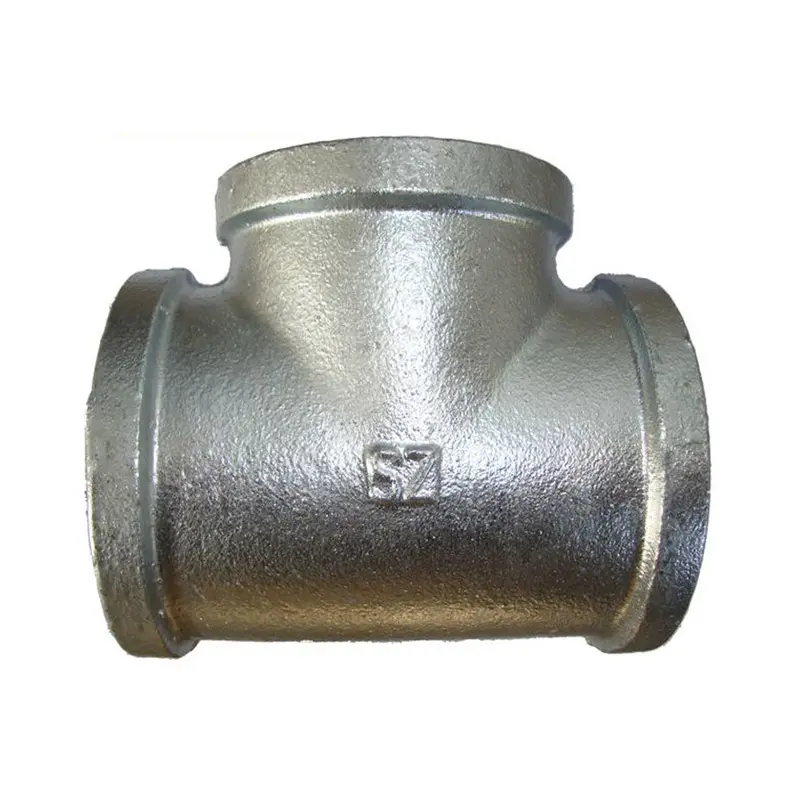
Galvanized pipe splicing represents a critical joining technique in plumbing, structural support, and fluid conveyance systems. This process, involving the secure connection of galvanized steel pipes, necessitates a thorough understanding of material properties, connection methods, and relevant industry standards. Galvanized pipe, steel pipe coated with a protective zinc layer, offers corrosion resistance but presents unique challenges in joining due to the zinc's impact on weldability and thread integrity. Common splicing methods include threaded connections, welding, and mechanical couplings. The selection of the appropriate method depends on factors such as pipe diameter, pressure requirements, fluid compatibility, and environmental conditions. Failure to properly splice galvanized pipe can result in leaks, structural compromise, and costly repairs, making adherence to best practices paramount. This guide provides a comprehensive examination of galvanized pipe splicing, covering material science, manufacturing considerations, performance engineering, failure analysis, and relevant industry standards.
Material Science & Manufacturing
Galvanized pipe is typically manufactured from carbon steel, specifically low carbon steel grades such as ASTM A53 Grade B or A106 Grade B, selected for their formability and weldability. The galvanization process, most commonly hot-dip galvanizing, involves immersing the steel pipe in molten zinc, creating a metallurgical bond that provides corrosion protection. The resulting zinc coating consists of multiple layers, including gamma, delta, zeta, and eta phases, each with differing hardness and adherence characteristics. The manufacturing of galvanized pipe involves several key steps: steel pipe formation (typically via electric resistance welding - ERW), cleaning and surface preparation (pickling and fluxing), galvanizing, and inspection. Splicing, therefore, must account for the presence of the zinc coating. Zinc has a lower melting point than steel (419°C vs 1510°C), making welding challenging as the zinc can vaporize and create porosity. The zinc layer also affects thread engagement; improper threading can lead to galling or stripping of the zinc coating, compromising the joint integrity. Furthermore, the chemical composition of the zinc coating can vary based on the galvanizing process and steel composition, influencing its compatibility with different splicing methods. The tensile strength of the underlying steel is typically between 36,000 and 60,000 psi, while the zinc coating’s primary function is sacrificial corrosion protection, not structural support.

Performance & Engineering
The performance of spliced galvanized pipe is governed by several engineering considerations. For threaded connections, torque control is critical to achieve proper seating and prevent over-tightening, which can strip the threads. The joint’s pressure rating is limited by the weakest component, typically the threads or the pipe wall itself. Finite element analysis (FEA) is often employed to model stress concentrations around the threads and predict the joint’s failure pressure. Welded joints require careful consideration of weld parameters to minimize zinc vaporization and ensure full fusion of the steel. Shielded Metal Arc Welding (SMAW) and Gas Tungsten Arc Welding (GTAW) are commonly used, often with specific zinc-compatible electrodes. The heat-affected zone (HAZ) surrounding the weld is prone to corrosion, as the zinc coating is altered. Mechanical couplings, such as compression fittings or split couplings, offer a non-welded alternative but require proper gasket selection and tightening to maintain a leak-proof seal. Environmental factors, such as temperature fluctuations and exposure to corrosive substances, significantly impact the long-term performance of spliced joints. Galvanic corrosion can occur when galvanized steel is in contact with dissimilar metals in the presence of an electrolyte. Therefore, dielectric unions should be used to isolate dissimilar metals and prevent this type of corrosion. Compliance with relevant building codes and pressure vessel standards (e.g., ASME B31.1) is essential to ensure structural integrity and safety.
Technical Specifications
| Parameter | ASTM A53 Grade B (Pipe Material) | Zinc Coating Thickness (Typical) | Threaded Connection Torque (Approx.) | |
|---|---|---|---|---|
| Tensile Strength | 36,000 - 60,000 psi | 55-85 μm (Hot-Dip Galvanized) | Depends on pipe size and thread type (consult manufacturer specs) | |
| Yield Strength | 24,000 - 36,000 psi | Zinc Coating Adhesion | >500 psi (ASTM A780) | N/A |
| Corrosion Resistance | Limited without galvanization | Zinc Corrosion Rate | 0.0002 - 0.002 inches per year (depending on environment) | N/A |
| Weldability | Good (low carbon steel) | Zinc Vaporization Temperature | 907°F (486°C) | N/A |
| Operating Temperature | -30°F to 200°F (-34°C to 93°C) | HAZ Corrosion Susceptibility | Increased due to altered zinc structure | N/A |
| Pressure Rating | Varies with pipe schedule and diameter (consult ASME B31.1) | Galvanic Corrosion Potential | Significant with dissimilar metals in electrolyte | N/A |
Failure Mode & Maintenance
Common failure modes in spliced galvanized pipe include thread stripping, weld porosity, corrosion-induced leaks, and galvanic corrosion. Thread stripping occurs due to over-tightening or improper thread engagement, weakening the joint and leading to leaks. Weld porosity arises from inadequate shielding gas coverage or contamination during welding, creating voids that reduce the weld’s strength and corrosion resistance. Corrosion, particularly at the welds and threaded connections, can lead to pitting and eventual failure of the pipe. Galvanic corrosion, as mentioned previously, accelerates corrosion when dissimilar metals are in contact. Maintenance strategies focus on preventative measures and early detection of potential problems. Regular visual inspections should be conducted to identify signs of corrosion, leaks, or thread damage. Protective coatings, such as zinc-rich paints, can be applied to welds and threaded connections to enhance corrosion resistance. For threaded connections, applying a thread sealant compatible with galvanized steel can prevent galling and ensure a leak-proof seal. In cases of localized corrosion, repair welding or pipe replacement may be necessary. Furthermore, dielectric unions should be installed to isolate dissimilar metals and prevent galvanic corrosion. Routine pressure testing can also help identify leaks before they escalate into major failures. Documented maintenance records are crucial for tracking the condition of the piping system and identifying recurring problems.
Industry FAQ
Q: What are the primary challenges associated with welding galvanized pipe?
A: The primary challenges stem from the zinc coating. The zinc vaporizes at relatively low temperatures, creating porosity in the weld and reducing its strength. The zinc also interferes with the welding arc, making it difficult to achieve a stable weld. Furthermore, the zinc creates fumes that are hazardous to welders. Proper ventilation and the use of zinc-compatible electrodes are essential.
Q: How can I prevent thread stripping when joining galvanized pipes?
A: Proper torque control is paramount. Always use a calibrated torque wrench and refer to the pipe manufacturer's specifications for the recommended torque values. Apply a thread sealant specifically designed for galvanized steel to lubricate the threads and prevent galling. Avoid excessive force during tightening.
Q: What is the best way to mitigate galvanic corrosion in a galvanized pipe system?
A: The most effective method is to isolate dissimilar metals using dielectric unions. These unions prevent a direct electrical connection between the metals, interrupting the flow of corrosion current. Ensure that all connections are properly sealed to prevent electrolyte ingress.
Q: What type of weld is generally preferred for galvanized pipe, and why?
A: Gas Tungsten Arc Welding (GTAW), also known as TIG welding, is often preferred due to its precise control and ability to produce high-quality welds with minimal spatter. It allows for better control of heat input, reducing zinc vaporization. Shielded Metal Arc Welding (SMAW) can also be used with appropriate zinc-compatible electrodes.
Q: What is the acceptable level of corrosion on a galvanized pipe before requiring replacement?
A: The acceptable level is subjective and depends on the application and potential consequences of failure. However, any pitting that penetrates the zinc coating and exposes the underlying steel significantly reduces the pipe’s lifespan. If corrosion is widespread or compromises the structural integrity, replacement is recommended. A thorough inspection by a qualified professional is essential for accurate assessment.
Conclusion
Effective splicing of galvanized pipe necessitates a nuanced understanding of the interplay between material science, manufacturing processes, and engineering principles. The unique characteristics of galvanized steel, particularly the presence of the zinc coating, introduce complexities that require careful consideration during joint design and execution. Proper selection of splicing methods, adherence to torque specifications, meticulous welding practices, and proactive corrosion mitigation strategies are crucial for ensuring the long-term integrity and reliable performance of galvanized pipe systems.
Moving forward, advancements in galvanizing technologies and coating materials, along with increasingly sophisticated non-destructive testing methods, will continue to enhance the durability and lifespan of galvanized pipe systems. Emphasis on standardized training and certification programs for pipe fitters and welders will also play a vital role in minimizing splicing defects and maximizing system reliability. Ongoing research into corrosion-resistant alloys and alternative joining techniques may further refine best practices in the field.
