Introduction
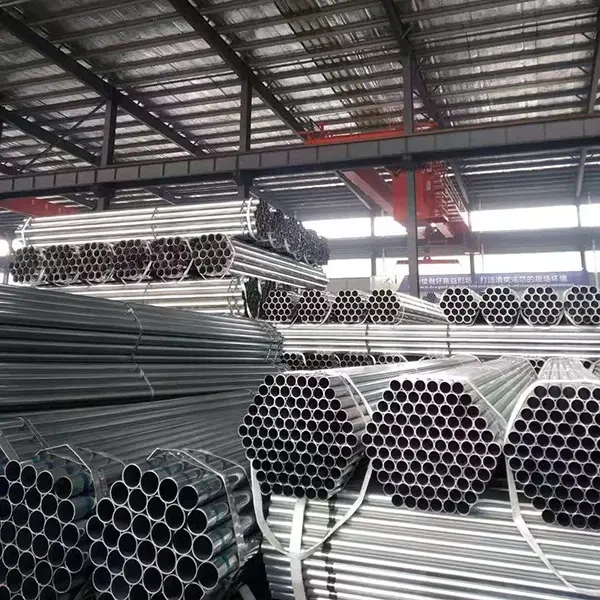
SS40 galvanized pipe refers to steel pipe manufactured to the SS40 standard and coated with a zinc layer through a galvanization process. SS40 is a common Japanese standard for low-carbon steel, denoting a minimum yield strength of 40 kgf/mm² (approximately 392 MPa). Galvanization provides corrosion resistance, making SS40 galvanized pipe suitable for a wide range of applications including water supply, structural support, and industrial piping systems. Its technical position in the industrial chain lies between steel manufacturing (raw material) and downstream construction, plumbing, and industrial applications. Core performance characteristics include its pressure-bearing capacity, corrosion resistance, weldability, and ease of installation. The industry faces ongoing challenges related to maintaining consistent zinc coating quality, ensuring long-term corrosion protection in aggressive environments, and adhering to increasingly stringent environmental regulations regarding zinc emissions during manufacturing.
Material Science & Manufacturing
SS40 steel is a low-carbon steel, typically containing 0.08-0.15% carbon, with manganese, phosphorus, and sulfur levels controlled within specific limits as defined by the SS40 standard. The primary raw material is iron ore, refined through processes like the Basic Oxygen Furnace (BOF) or Electric Arc Furnace (EAF). The steel is then hot-rolled or cold-drawn to produce seamless or welded pipes. The galvanization process is crucial. Hot-dip galvanizing is the most common method, where the steel pipe is immersed in a molten zinc bath (typically 98% pure zinc) at around 450-460°C. This creates a metallurgical bond between the zinc and the underlying steel, forming a series of zinc-iron alloy layers followed by a pure zinc outer layer. Key parameters in this process include immersion time, zinc bath temperature, steel surface preparation (pickling to remove rust and scale), and the cooling rate after immersion. Surface preparation is critical; inadequate cleaning leads to poor adhesion and localized corrosion. Another galvanization method is electrogalvanizing, offering thinner, more uniform coatings but generally lower corrosion resistance than hot-dip galvanizing. The manufacturing process must adhere to strict quality control measures to ensure dimensional accuracy, weld integrity (for welded pipes), and a consistent zinc coating thickness.
Performance & Engineering
Performance of SS40 galvanized pipe is heavily influenced by its structural integrity and corrosion resistance. Force analysis involves calculating the pipe’s ability to withstand internal pressure, external loads, and bending moments. The wall thickness, pipe diameter, and material yield strength are primary factors in these calculations, governed by standards like ASME B31.3 (Process Piping) and EN 10255 (Non-pressurized steel tubes). Corrosion resistance depends on the zinc coating thickness, the surrounding environment (humidity, salinity, exposure to chemicals), and the presence of any coating defects. Galvanic corrosion can occur if the galvanized pipe is in contact with dissimilar metals in the presence of an electrolyte. Environmental resistance is evaluated through salt spray testing (ASTM B117) and cyclic corrosion testing. Compliance requirements vary depending on the application. For potable water systems, pipes must meet standards like NSF/ANSI 61, ensuring they do not leach harmful substances into the water. For structural applications, adherence to building codes and seismic design requirements is essential. Proper joint design (threaded, welded, flanged) is critical for maintaining pressure integrity and preventing leaks. Weld procedures must be qualified according to AWS D1.1 (Structural Welding Code – Steel).
Technical Specifications
| Parameter | SS40 (Typical) | ASTM A53 Grade B | EN 10255 S235JR |
|---|---|---|---|
| Yield Strength (MPa) | 392 | 250 | 235 |
| Tensile Strength (MPa) | 500-600 | 370 | 360 |
| Carbon Content (% max) | 0.15 | 0.30 | 0.22 |
| Zinc Coating Thickness (µm) | 55-85 (Hot-Dip) | 50-100 (Hot-Dip) | Variable, depending on process |
| Outside Diameter (mm) | 10.2 - 610 | 1/2” – 8” (DN15 – DN200) | 10.2 – 610 |
| Wall Thickness (mm) | 1.2 – 12.7 | Schedule 40, 80 | 1.2 – 20 |
Failure Mode & Maintenance
Common failure modes in SS40 galvanized pipe include uniform corrosion (general thinning of the zinc layer over time), localized corrosion (pitting, crevice corrosion, and galvanic corrosion), and mechanical failures like fatigue cracking (due to repeated stress) and denting. Hydrogen embrittlement can occur during the galvanizing process, particularly with high-strength steels, leading to brittle fracture. Delamination of the zinc coating can result from poor surface preparation or the presence of contaminants. Oxidation of the zinc layer forms a white rust (zinc oxide), which accelerates corrosion. Maintenance strategies include regular visual inspections for signs of corrosion, coating damage, or leaks. Protective coatings (e.g., epoxy paints) can be applied over the galvanized surface to enhance corrosion resistance, particularly in harsh environments. For threaded connections, periodic tightening may be required to maintain a leak-proof seal. In cases of localized corrosion, the affected area can be cleaned and recoated. Cathodic protection (sacrificial anodes or impressed current systems) can be employed in buried pipelines to mitigate corrosion. Repair welds should be performed by qualified welders and inspected to ensure structural integrity. Preventative maintenance schedules should be based on the operating environment and the criticality of the pipeline system.
Industry FAQ
Q: What is the primary difference between hot-dip galvanizing and electrogalvanizing in terms of long-term corrosion performance?
A: Hot-dip galvanizing provides a thicker, more robust zinc coating with superior corrosion protection due to the formation of zinc-iron alloy layers. Electrogalvanizing results in a thinner, more uniform coating but lacks the metallurgical bond and alloy layer protection, making it less effective in harsh, long-term exposure scenarios. The hot-dip coating is more resistant to mechanical damage during handling and installation.
Q: How does the presence of sulfur in the steel affect the galvanizing process and the final coating quality?
A: Sulfur forms iron sulfide during the hot-dip galvanizing process, which can create surface defects and reduce coating adhesion. High sulfur content in the steel can lead to a brittle coating prone to cracking and spalling. Steel grades with low sulfur content are preferred for galvanizing.
Q: What are the limitations of SS40 galvanized pipe in highly acidic or alkaline environments?
A: While galvanized zinc provides good corrosion resistance, it is susceptible to attack in strongly acidic or alkaline environments. Acids dissolve the zinc, while strong alkalis can accelerate zinc corrosion. For these applications, alternative materials like stainless steel or specialized corrosion-resistant alloys are recommended.
Q: What is the typical lifespan of SS40 galvanized pipe in a typical outdoor, non-marine environment?
A: In a typical outdoor, non-marine environment, SS40 galvanized pipe can have a lifespan of 50-70 years or more, depending on the coating thickness, environmental conditions, and maintenance practices. However, this is an estimate, and actual lifespan can vary.
Q: Are there any specific considerations for welding SS40 galvanized pipe?
A: Welding galvanized pipe requires careful preparation. The zinc coating must be removed from the weld area to prevent fumes and porosity. Using a welding process suitable for low-carbon steel (e.g., SMAW, GMAW) and employing appropriate shielding gas is crucial. Post-weld, the exposed steel should be immediately recoated with zinc-rich paint or other suitable corrosion protection to prevent localized corrosion.
Conclusion
SS40 galvanized pipe remains a widely utilized and cost-effective solution for numerous piping applications, benefiting from its inherent strength and robust corrosion protection afforded by the galvanization process. Understanding the material science principles underpinning its performance, meticulous control during manufacturing, and proactive maintenance strategies are paramount to ensuring its long-term reliability and minimizing potential failure modes.
Looking ahead, advancements in galvanizing technologies, such as the development of zinc-nickel alloy coatings, promise even greater corrosion resistance and extended service life. Continued research into improved surface preparation techniques and optimized welding procedures will further enhance the performance and longevity of SS40 galvanized pipe systems. Adherence to evolving industry standards and best practices is essential for maintaining the integrity and safety of these critical infrastructure components.
