Introduction
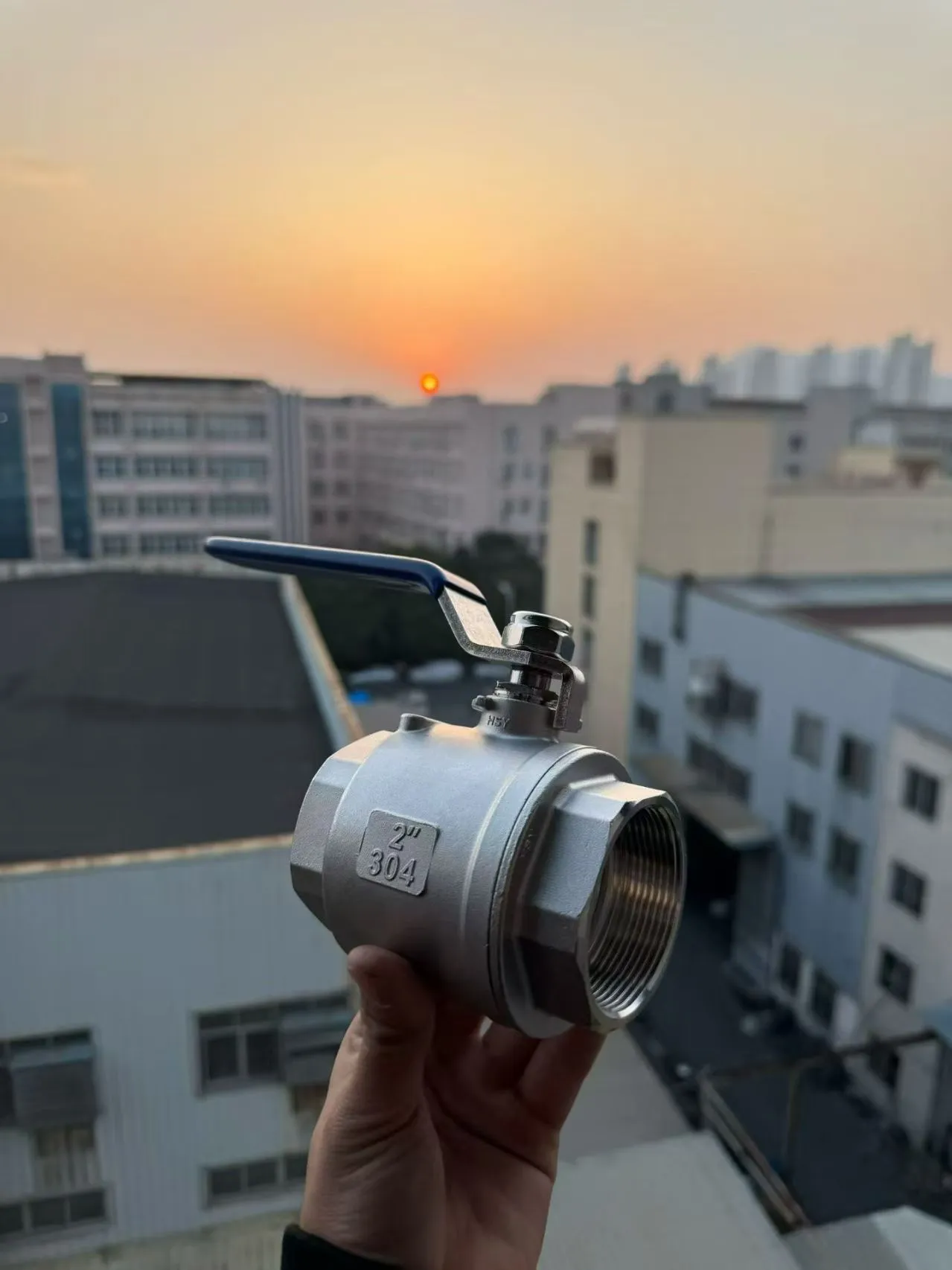
1.5-inch stainless steel pipe is a ubiquitous component in numerous industrial applications, serving as a crucial conduit for fluids and gases across diverse sectors including chemical processing, food and beverage, pharmaceutical manufacturing, oil and gas, and water treatment. Its prominence stems from a unique combination of mechanical strength, corrosion resistance, and hygienic properties. Positioned within the piping system supply chain, it represents a critical semi-finished product, directly impacting system performance and longevity. Core performance characteristics revolve around pressure handling capacity, fluid flow rate, resistance to specific corrosive media, and adherence to dimensional tolerances as dictated by industry standards. Understanding these facets is paramount for effective system design and reliable operation. The selection of an appropriate stainless steel grade is the initial and most critical step; influencing the pipe's suitability for the intended service environment.
Material Science & Manufacturing
The predominant material for 1.5-inch stainless steel pipe is typically austenitic stainless steel, with 304/304L and 316/316L being the most commonly utilized grades. 304/304L stainless steel derives its corrosion resistance from a minimum of 18% chromium content, forming a passive chromium oxide layer on the surface. The 'L' designation indicates low carbon content, enhancing weldability by minimizing carbide precipitation during welding, which can lead to intergranular corrosion. 316/316L adds molybdenum (2-3%) to the alloy, further enhancing resistance to chloride corrosion, making it ideal for marine and chemical processing environments. Raw material properties, including chemical composition and tensile strength, are meticulously controlled. Manufacturing typically involves seamless or welded processes. Seamless pipe production utilizes processes like extrusion or piercing, resulting in a homogeneous structure with superior strength. Welded pipe, often produced via Electric Resistance Welding (ERW) or Tungsten Inert Gas (TIG) welding, requires stringent quality control of the weld seam to ensure structural integrity. Key parameters during welding include current, voltage, welding speed, and shielding gas composition. Post-weld heat treatment (PWHT) is often employed to relieve residual stresses and improve the mechanical properties of the weld. Dimensional accuracy is maintained through controlled cooling and finishing operations, including straightening and cutting to length.

Performance & Engineering
The performance of 1.5-inch stainless steel pipe is dictated by several engineering considerations. Force analysis, particularly pressure containment, is critical. Hoop stress calculations based on Barlow's formula (σ = PD/2t, where P=pressure, D=diameter, t=wall thickness) determine the required wall thickness to withstand internal pressure without failure. Environmental resistance factors significantly into material selection. Exposure to chlorides, sulfuric acid, or other aggressive chemicals necessitates the use of higher alloy grades like 316/316L or duplex stainless steels. Compliance requirements vary by industry. For potable water systems, pipes must conform to NSF/ANSI 61 standards, ensuring lead-free composition and preventing contamination. In pharmaceutical applications, adherence to ASME BPE standards is essential for hygienic design and surface finish. Functional implementation includes considerations for thermal expansion and contraction. Proper support and expansion joints are crucial to prevent stress on the piping system due to temperature fluctuations. Flow dynamics and pressure drop are also vital; pipe roughness and diameter impact flow velocity and energy loss. Corrosion allowances are also implemented into pipe thickness calculations to account for anticipated material loss over the lifespan of the system.
Technical Specifications
| Parameter | 304/304L | 316/316L | Duplex Stainless Steel (e.g., 2205) |
|---|---|---|---|
| Nominal Diameter (in) | 1.5 | 1.5 | 1.5 |
| Typical Wall Thickness (in) | Schedule 40 (0.154) - Schedule 80 (0.218) | Schedule 40 (0.154) - Schedule 80 (0.218) | Schedule 40 (0.154) - Schedule 160 (0.280) |
| Minimum Tensile Strength (MPa) | 517 | 517 | 700 |
| Yield Strength (MPa) | 205 | 205 | 345 |
| Elongation (%) | 35 | 35 | 25 |
| Corrosion Resistance | Good (General purpose) | Excellent (Chloride environments) | Superior (High strength, excellent corrosion resistance) |
Failure Mode & Maintenance
Failure modes in 1.5-inch stainless steel pipe encompass several mechanisms. Corrosion, particularly pitting and crevice corrosion in chloride-rich environments, is a primary concern. Stress corrosion cracking (SCC) can occur under tensile stress in specific corrosive media. Fatigue cracking can develop due to cyclic loading, especially at weld points. Erosion corrosion, caused by abrasive particles in the fluid stream, can wear away the pipe wall. Galvanic corrosion can occur when stainless steel is coupled with dissimilar metals in an electrolyte. Intergranular corrosion, though mitigated by 'L' grades, can still occur if proper welding procedures are not followed. Maintenance strategies involve regular inspection for signs of corrosion, leaks, or cracks. Non-destructive testing (NDT) methods, such as ultrasonic testing (UT) and radiographic testing (RT), are used to assess wall thickness and detect flaws. Preventive maintenance includes implementing corrosion inhibitors, controlling fluid velocity to minimize erosion, and providing adequate supports to reduce stress. Periodic hydrostatic testing verifies the integrity of the system. For minor corrosion, surface treatments like passivation can restore the protective chromium oxide layer. In cases of significant damage, pipe replacement is necessary. Cleaning procedures should avoid abrasive materials that can damage the passive layer.
Industry FAQ
Q: What is the difference between 304L and 316L stainless steel in terms of weldability?
A: 304L and 316L both offer improved weldability compared to their non-'L' counterparts due to their lower carbon content. Lower carbon minimizes carbide precipitation during welding, reducing the risk of intergranular corrosion. However, 316L generally requires more care during welding due to its slightly higher alloy content and potential for hot cracking. Proper shielding gas selection and controlled cooling rates are crucial for successful welds in 316L.
Q: How does wall thickness affect the pressure rating of a 1.5-inch stainless steel pipe?
A: Wall thickness is inversely proportional to the pressure rating. As the wall thickness increases, the pipe's ability to withstand internal pressure increases. This relationship is defined by Barlow's formula. A thicker wall provides a greater resistance to hoop stress. Selecting the appropriate wall thickness based on the operating pressure and safety factor is critical for preventing failure.
Q: What are the common causes of pitting corrosion in stainless steel pipes?
A: Pitting corrosion is often initiated by localized defects in the passive layer, such as inclusions or scratches. Chloride ions are particularly aggressive in disrupting the passive layer and promoting pitting. Stagnant fluid conditions and low oxygen levels can exacerbate pitting. Maintaining a clean and properly passivated surface is essential for prevention.
Q: What NDT methods are most effective for detecting corrosion in stainless steel pipes?
A: Ultrasonic testing (UT) is highly effective for measuring wall thickness and detecting corrosion. Radiographic testing (RT) can reveal localized corrosion and flaws in welds. Eddy current testing (ET) is suitable for surface and near-surface defect detection. Dye penetrant testing (PT) can identify surface cracks and discontinuities.
Q: What is the role of passivation in maintaining the corrosion resistance of stainless steel pipe?
A: Passivation is a chemical treatment that removes free iron from the surface of the stainless steel, enhancing the formation of a stable chromium oxide passive layer. This layer protects the underlying metal from corrosion. Passivation is particularly important after welding or other fabrication processes that may have disrupted the passive layer. Regular passivation maintenance helps sustain the corrosion resistance over the pipe’s service life.
Conclusion
1.5-inch stainless steel pipe represents a crucial engineering component, demanding a thorough understanding of material science, manufacturing processes, and performance characteristics. Proper material selection – typically favoring 304/304L or 316/316L based on the operational environment – coupled with meticulous welding practices and adherence to relevant industry standards, are fundamental for ensuring long-term reliability and preventing premature failure. Careful consideration of pressure ratings, corrosion potential, and maintenance protocols is paramount throughout the lifecycle of the piping system.
Future advancements in stainless steel alloy development will likely focus on enhancing corrosion resistance in increasingly aggressive environments, reducing material costs, and improving weldability. Furthermore, the integration of smart sensor technologies for real-time corrosion monitoring and predictive maintenance will become increasingly prevalent, optimizing operational efficiency and extending the lifespan of stainless steel piping systems. Continuous innovation and adherence to best practices will solidify the position of stainless steel as a cornerstone material in industrial fluid handling applications.
