Introduction
1.75-inch stainless steel exhaust tubing represents a critical component in a wide range of internal combustion engine applications, spanning automotive, motorcycle, marine, and industrial sectors. Positioned within the exhaust system downstream of the catalytic converter (where applicable), its primary function is the safe and efficient conveyance of exhaust gases to the atmosphere. Unlike aluminized steel tubing, stainless steel offers superior corrosion resistance and longevity, making it particularly desirable in harsh operating environments or applications requiring extended service life. This guide provides an in-depth technical examination of 1.75” stainless exhaust tubing, covering material science, manufacturing processes, performance characteristics, failure modes, and relevant industry standards. The dimensional specification (1.75” outer diameter) is crucial as it dictates compatibility with existing exhaust system components and influences flow characteristics. Core performance is defined by resistance to corrosion, thermal fatigue, structural integrity under vibrational stress, and minimal restriction to exhaust gas flow. A key industry pain point revolves around balancing cost with long-term durability and addressing issues like intergranular corrosion and weld integrity.
Material Science & Manufacturing
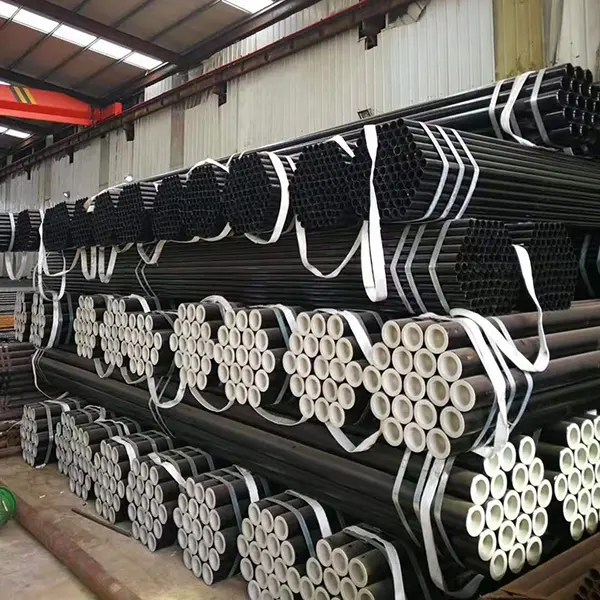
The predominant material grade for 1.75” stainless exhaust tubing is 304/304L stainless steel, owing to its excellent formability, weldability, and corrosion resistance. 304 contains approximately 18-20% chromium and 8-10.5% nickel, imparting its austenitic structure. The ‘L’ designation (304L) indicates a low carbon content (<0.03%), which minimizes carbide precipitation during welding, enhancing resistance to intergranular corrosion. Raw material is typically sourced as seamless or welded and rolled stainless steel sheet or coil. Manufacturing begins with precision cutting and forming of the steel into tubing using processes like tube drawing or roll forming. Welded tubing undergoes automatic welding processes, most commonly TIG (Tungsten Inert Gas) or laser welding, to ensure a strong, consistent seam. Key parameter control during manufacturing includes maintaining tight dimensional tolerances (wall thickness, outer diameter, roundness), ensuring complete weld penetration, and implementing post-weld annealing to relieve stress and optimize mechanical properties. Surface finish is also critical, with options ranging from mill finish to polished surfaces. The choice of manufacturing route impacts the cost and mechanical properties; seamless tubing is generally more expensive but offers superior burst strength, while welded tubing offers cost advantages. A significant challenge is managing the heat-affected zone (HAZ) during welding, as it can be susceptible to corrosion if not properly controlled.
Performance & Engineering
The performance of 1.75” stainless exhaust tubing is heavily influenced by its mechanical strength, thermal properties, and resistance to corrosive elements. Force analysis, particularly concerning bending and vibrational stresses, is crucial in exhaust system design. The tubing must withstand cyclical loading from engine vibrations and vehicle movement without fatigue cracking. Stainless steel’s yield strength (typically around 30 ksi for 304/304L) and tensile strength (typically around 70 ksi) are key parameters. Environmental resistance is paramount; exhaust gases contain water vapor, sulfur oxides, nitrogen oxides, and particulate matter, all of which can contribute to corrosion. Stainless steel’s chromium content forms a passive chromium oxide layer, providing corrosion protection. However, chloride ions (from road salt) can breach this layer, leading to pitting corrosion. Compliance requirements vary by region, but generally involve adherence to vehicle emission standards and safety regulations. Functional implementation demands that the tubing maintain its structural integrity and sealing characteristics over extended periods of exposure to high temperatures (up to 900°C near the exhaust manifold) and corrosive environments. Wall thickness is a critical design parameter; thicker walls provide greater strength and durability but increase weight and cost. A significant engineering challenge is mitigating thermal expansion and contraction, which can induce stress on welds and connections.
Technical Specifications
| Parameter | Unit | 304/304L Stainless Steel (Typical) | ASTM A269 Specification |
|---|---|---|---|
| Outer Diameter | inches | 1.75 | ±0.005 |
| Wall Thickness | mm | 1.2 – 2.0 | Specified by customer |
| Yield Strength | ksi | 30 | Minimum 30 ksi |
| Tensile Strength | ksi | 70 | Minimum 75 ksi |
| Elongation | % | 35 | Minimum 20% |
| Corrosion Resistance | Rating (Salt Spray Test) | >1000 hours | Per ASTM B117 |
Failure Mode & Maintenance
1.75” stainless exhaust tubing can experience several failure modes in practical applications. Fatigue cracking, induced by cyclical vibrational stress, is common, particularly at weld points or bends. Intergranular corrosion, resulting from carbide precipitation in the HAZ of welds (in 304 without ‘L’ designation), weakens the material along grain boundaries. Pitting corrosion, caused by chloride attack, creates localized corrosion pits. Oxidation, at extremely high temperatures, can lead to scaling and reduced wall thickness. Delamination can occur in welded tubing due to inadequate weld penetration or poor material compatibility. Maintenance involves regular visual inspections for signs of corrosion, cracks, or leaks. Welds should be inspected using non-destructive testing methods like dye penetrant inspection or radiographic testing. Surface cleaning to remove contaminants like road salt is crucial in preventing pitting corrosion. For minor corrosion, surface passivation treatments can help restore the protective chromium oxide layer. Repairing cracks typically requires cutting out the damaged section and welding in a replacement piece using proper welding procedures (preheating, post-weld annealing). Prevention of failures focuses on selecting the appropriate material grade (304L), ensuring proper welding techniques, and implementing corrosion protection measures.
Industry FAQ
Q: What is the difference between 304 and 304L stainless steel in exhaust tubing applications?
A: The primary difference is carbon content. 304L has a lower carbon content (<0.03%) compared to 304. This lower carbon content minimizes carbide precipitation during welding, drastically improving resistance to intergranular corrosion, which is a common failure mode in exhaust systems exposed to high temperatures and corrosive gases. While 304 is cheaper, 304L is the preferred choice for welded exhaust tubing due to its superior long-term durability.
Q: How does wall thickness affect the performance and lifespan of the tubing?
A: Increasing wall thickness directly enhances the tubing's resistance to deformation, fatigue, and corrosion. A thicker wall provides greater structural integrity and a longer service life, particularly in high-stress applications. However, thicker walls also increase weight and cost. The optimal wall thickness is a balance between these factors, determined by the specific operating conditions and performance requirements.
Q: What welding processes are most suitable for joining 1.75” stainless exhaust tubing?
A: TIG (Tungsten Inert Gas) and laser welding are the most commonly used and recommended processes. TIG welding provides precise control and produces high-quality, clean welds with excellent penetration. Laser welding offers even greater precision and speed, resulting in a narrow HAZ and minimal distortion. Proper shielding gas (argon) and post-weld annealing are essential to prevent oxidation and optimize mechanical properties.
Q: How can I prevent pitting corrosion in a marine environment?
A: Pitting corrosion is a significant concern in marine environments due to the high concentration of chloride ions. Regular washing with fresh water to remove salt deposits is crucial. Applying a corrosion inhibitor coating can provide an additional layer of protection. Selecting a higher grade of stainless steel (e.g., 316) with increased molybdenum content can also enhance resistance to pitting corrosion, albeit at a higher cost.
Q: What are the common signs of fatigue failure in exhaust tubing?
A: Common signs include the appearance of hairline cracks, often originating at bends, welds, or areas of high stress concentration. Discoloration around cracks, indicating oxidation, is also a telltale sign. Audible exhaust leaks or changes in exhaust tone can also indicate a compromised tubing section. Regular visual inspections are essential for early detection.
Conclusion
1.75” stainless steel exhaust tubing represents a durable and reliable solution for exhaust gas conveyance across diverse applications. The material’s inherent corrosion resistance, coupled with proper manufacturing processes and adherence to relevant industry standards, ensures long-term performance and minimized failure rates. Selecting the appropriate grade (304L is often preferred), controlling welding parameters, and implementing regular maintenance routines are critical factors in maximizing service life.
Future advancements in exhaust tubing technology may focus on the development of new stainless steel alloys with enhanced corrosion resistance and higher temperature tolerance. Lightweighting strategies, such as utilizing thinner-walled tubing combined with advanced manufacturing techniques, could also become increasingly important. Continued research into non-destructive testing methods will improve the accuracy and efficiency of failure detection, further enhancing the safety and reliability of exhaust systems.
