
Introduction
304/304L stainless steel pipe, specifically in a 3/8 inch diameter, represents a critical component in a vast array of industrial applications, including fluid transfer, process piping, and structural support systems. Positioned within the industry chain as a semi-finished product, its performance dictates the reliability and longevity of the entire system it comprises. This guide provides an in-depth technical overview of 3/8 inch 304/304L stainless steel pipe, covering material science, manufacturing processes, performance characteristics, potential failure modes, and relevant industry standards. Core performance characteristics revolve around corrosion resistance, weldability, and mechanical strength, all of which are paramount in demanding B2B environments. The industry faces ongoing challenges regarding material traceability, consistent quality, and minimizing the risk of chloride-induced stress corrosion cracking, which this guide will address.
Material Science & Manufacturing
304/304L stainless steel, the primary material for these pipes, is an austenitic stainless steel alloy containing approximately 18-20% chromium and 8-10.5% nickel, balanced with iron. The addition of chromium forms a passive layer of chromium oxide on the surface, providing exceptional corrosion resistance. The ‘L’ designation in 304L signifies low carbon content (typically 0.03% max) which minimizes carbide precipitation during welding, enhancing weld decay resistance. Raw materials typically originate from electric arc furnaces (EAF) and are refined through argon oxygen decarburization (AOD) to control composition and reduce impurities. Manufacturing begins with billet casting, followed by hot rolling into seamless pipe or cold drawing of welded and annealed tubing. Critical parameters in seamless pipe production include controlled cooling rates post-hot rolling to achieve desired grain structure and tight tolerances during mandrel milling. For welded pipe, the welding process (TIG or plasma arc welding) must be carefully controlled to ensure complete fusion and minimal heat-affected zone (HAZ). Post-weld annealing is essential to restore ductility and relieve residual stresses. Surface finishing processes, such as pickling and passivation, are applied to remove scale and enhance the protective chromium oxide layer. Chemical composition verification through techniques like X-ray fluorescence (XRF) and positive material identification (PMI) is crucial for quality control.
Performance & Engineering
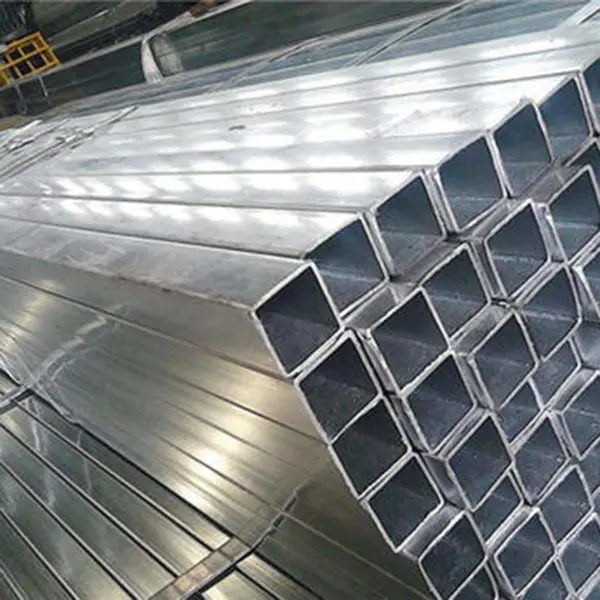
The performance of 3/8 inch 304/304L stainless steel pipe is largely governed by its mechanical properties and resistance to environmental factors. Tensile strength typically ranges from 75,000 to 85,000 psi, with yield strength around 30,000 psi. Elongation is typically 30-50%. Force analysis in piping systems involves calculating stresses due to internal pressure, external loads (weight, thermal expansion), and bending moments. The Barlow’s formula is commonly used to determine the burst pressure of pipes. Environmental resistance is critical; 304/304L exhibits excellent resistance to many corrosive media, but it’s susceptible to pitting and crevice corrosion in chloride-rich environments. Welded joints are often the weakest point and require thorough inspection (radiographic testing, liquid penetrant testing) to identify defects. Compliance requirements depend on the application; pressure vessel piping falls under ASME Boiler and Pressure Vessel Code Section IX for welding qualifications and Section V for non-destructive examination. For sanitary applications (food, pharmaceutical), 3A Sanitary Standards are applicable. Proper support design is essential to prevent excessive bending stresses and vibration-induced fatigue failures. Consideration must be given to thermal expansion and contraction through the use of expansion loops or joints.
Technical Specifications
| Parameter | Units | 304 Stainless Steel | 304L Stainless Steel |
|---|---|---|---|
| Nominal Diameter | inches | 3/8 | 3/8 |
| Wall Thickness (Schedule 40) | inches | 0.083 | 0.083 |
| Tensile Strength | psi | 75,000 - 85,000 | 70,000 - 80,000 |
| Yield Strength | psi | 30,000 | 25,000 |
| Elongation (2 inch gauge length) | % | 35-50 | 30-45 |
| Carbon Content (max) | % | 0.08 | 0.03 |
Failure Mode & Maintenance
Common failure modes for 3/8 inch 304/304L stainless steel pipe include: corrosion (pitting, crevice, intergranular), stress corrosion cracking (SCC), fatigue cracking, and erosion. Pitting corrosion is initiated by localized breakdown of the passive layer, often due to chloride ions. SCC occurs under tensile stress in a corrosive environment, particularly in the presence of chlorides. Fatigue cracking results from repeated cyclic loading. Erosion is caused by abrasive particles in the fluid stream. Delamination can occur in welded joints due to improper welding procedures. Oxidation at high temperatures can lead to scaling and reduced wall thickness. Maintenance involves regular visual inspection for signs of corrosion or damage. Non-destructive testing (NDT) methods such as ultrasonic testing (UT) and radiography can detect internal defects. Preventative measures include proper material selection for the specific application, control of chloride levels in the fluid, implementation of cathodic protection where appropriate, and regular cleaning to remove deposits that can promote corrosion. For SCC mitigation, reducing tensile stress through stress relieving or surface compressive treatments is effective. Welds should be periodically inspected and re-certified according to ASME guidelines.
Industry FAQ
Q: What is the primary difference between 304 and 304L stainless steel in the context of pipe welding?
A: The primary difference lies in the carbon content. 304L has a lower carbon content (0.03% max) which minimizes carbide precipitation during welding. Carbide precipitation can lead to sensitization and weld decay, reducing corrosion resistance in the heat-affected zone. Therefore, 304L is generally preferred for applications requiring extensive welding, particularly in corrosive environments.
Q: How can I effectively mitigate the risk of chloride-induced stress corrosion cracking (SCC) in 304/304L stainless steel piping?
A: SCC mitigation involves several strategies. Reducing chloride concentration in the fluid is paramount. Using corrosion inhibitors can also help. Reducing tensile stress through stress relieving, shot peening, or alloy selection (e.g., duplex stainless steel) is critical. Maintaining a passive surface film through proper cleaning and passivation treatment is also vital.
Q: What are the typical non-destructive testing (NDT) methods employed to inspect 3/8 inch 304/304L stainless steel pipe welds?
A: Common NDT methods include Radiographic Testing (RT) to detect internal porosity and cracks, Liquid Penetrant Testing (PT) to identify surface cracks, and Ultrasonic Testing (UT) to detect subsurface flaws. Visual inspection is always the first step, followed by more advanced NDT techniques based on the criticality of the application.
Q: What is the effect of temperature on the mechanical properties of 304/304L stainless steel pipe?
A: Elevated temperatures generally reduce tensile and yield strength while increasing ductility. However, prolonged exposure to high temperatures can lead to oxidation and scaling, reducing wall thickness and compromising structural integrity. Creep becomes a concern at very high temperatures and sustained loads.
Q: What surface finishes are commonly specified for 304/304L stainless steel pipe used in sanitary applications?
A: In sanitary applications, a smooth, easily cleanable surface is crucial. Common surface finishes include 2B, mirror polish, and electropolished finishes. Roughness Average (Ra) values are typically specified to ensure adequate cleanability. Electropolishing removes a thin layer of material, creating a passive, corrosion-resistant surface and reducing the risk of bacterial adhesion.
Conclusion
3/8 inch 304/304L stainless steel pipe remains a cornerstone material in numerous industrial sectors due to its robust corrosion resistance, weldability, and mechanical properties. Understanding the nuances of its material science, manufacturing processes, and potential failure modes is critical for ensuring long-term reliability and safety in demanding applications. Proper material selection, rigorous quality control, and proactive maintenance are essential to mitigate the risks associated with corrosion, stress corrosion cracking, and fatigue failures.
Future advancements in stainless steel technology may focus on developing alloys with even higher resistance to chloride-induced SCC and improved high-temperature performance. Furthermore, the integration of advanced inspection techniques, such as phased array ultrasonic testing and eddy current testing, will enhance the ability to detect subtle defects and predict remaining useful life. Continued adherence to established industry standards and best practices remains paramount for ensuring the safe and efficient operation of piping systems.
