Introduction
3-inch diameter, 304 stainless steel exhaust piping represents a critical component in a wide range of industrial and automotive applications. Positioned within the exhaust system downstream of the engine or process generating combustion gases, its primary function is the safe and efficient conveyance of these gases to the atmosphere. 304 stainless steel, an austenitic alloy, is chosen for its superior corrosion resistance, high-temperature strength, and weldability. Unlike carbon steel alternatives, 304 SS minimizes oxidation and degradation from exhaust constituents like sulfuric acid and chlorides. This guide provides an in-depth technical analysis of 3-inch 304 stainless steel exhaust pipe, covering material science, manufacturing processes, performance characteristics, failure modes, maintenance protocols, and relevant industry standards. A key industry pain point is balancing cost with longevity; cheaper materials corrode rapidly, leading to frequent replacements and potential system failures. The 304 stainless steel pipe aims to mitigate these challenges, providing a durable and reliable solution.
Material Science & Manufacturing
304 stainless steel’s core composition includes approximately 18-20% chromium, 8-10.5% nickel, and less than 0.08% carbon, balanced with iron. Chromium imparts corrosion resistance by forming a passive chromium oxide layer on the surface. Nickel stabilizes the austenitic structure, enhancing ductility and toughness. The manufacturing of 3-inch 304 stainless steel exhaust pipe typically begins with the production of seamless or welded tubing. Seamless tubing is created through processes like extrusion or piercing of a solid billet, resulting in a homogenous structure with superior strength. Welded tubing, more common due to cost effectiveness, utilizes processes such as Tungsten Inert Gas (TIG) or Plasma Arc Welding (PAW) to join strip steel. Precise control of welding parameters – amperage, voltage, gas shielding, and travel speed – is paramount to ensure complete fusion and minimize porosity. Following welding, the pipe undergoes annealing to relieve residual stresses, pickling to remove scale, and polishing to achieve the desired surface finish. Critical parameter control focuses on maintaining consistent wall thickness, diameter tolerances (typically +/- 0.125 inches), and surface roughness (Ra < 3.2 µm) to optimize flow characteristics and minimize turbulence. Forming processes like bending or flanging require careful consideration of the material's work hardening characteristics to avoid cracking.
Performance & Engineering
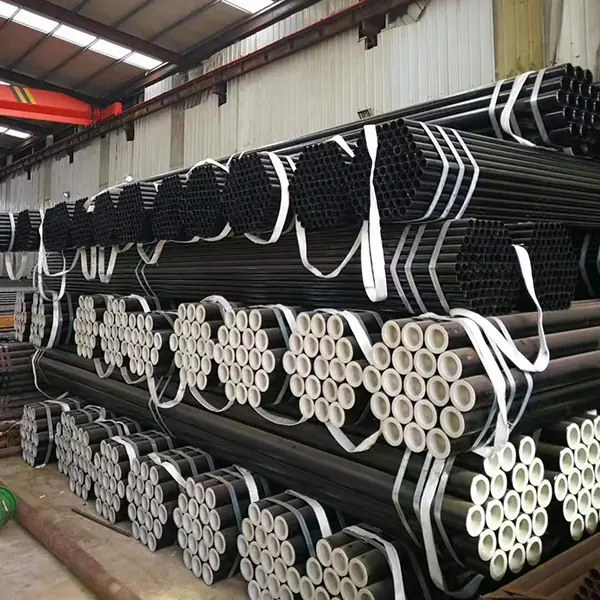
The performance of 3-inch 304 stainless steel exhaust piping is governed by several engineering considerations. Firstly, structural integrity under load is crucial. Exhaust systems are subjected to vibration, thermal cycling, and occasional impact. Force analysis, often utilizing Finite Element Analysis (FEA), assesses stress distribution and deformation under these conditions. Wall thickness is a critical parameter; thicker walls provide greater strength but increase weight and cost. Secondly, environmental resistance is paramount. Exhaust gases contain corrosive compounds, particularly in applications utilizing sulfur-containing fuels. The passive chromium oxide layer provides excellent corrosion protection, but localized corrosion (e.g., pitting, crevice corrosion) can occur under specific conditions. Maintaining a clean surface and avoiding stagnant areas are key preventative measures. Thirdly, compliance with emissions regulations influences design. Backpressure within the exhaust system impacts engine performance and emissions levels. Pipe diameter, bend radius, and the inclusion of components like catalytic converters must be carefully optimized to meet regulatory requirements. Furthermore, thermal expansion and contraction need to be accounted for during installation to prevent stress on connections and supports.
Technical Specifications
| Parameter | Value (Typical) | Testing Standard | Units |
|---|---|---|---|
| Outside Diameter | 3.000 | ASTM E298 | inches |
| Wall Thickness | 0.065 – 0.120 | ASTM E298 | inches |
| Material | 304/304L Stainless Steel | ASTM A249 | - |
| Tensile Strength | 75,000 – 85,000 | ASTM A249 | psi |
| Yield Strength | 30,000 – 40,000 | ASTM A249 | psi |
| Corrosion Resistance (Salt Spray Test) | >1000 | ASTM B117 | hours |
Failure Mode & Maintenance
Several failure modes can affect 3-inch 304 stainless steel exhaust pipes. Corrosion, despite the inherent resistance of 304 SS, is a primary concern. Pitting corrosion can initiate at surface imperfections or due to chloride attack. Stress corrosion cracking (SCC) can occur in the presence of chlorides and tensile stress, particularly at welds. Fatigue cracking can develop due to cyclical loading from engine vibration. Oxidation at elevated temperatures can lead to scale formation and reduced wall thickness. Delamination can occur in welded pipes due to incomplete fusion or porosity. Maintenance involves regular visual inspection for signs of corrosion, cracks, or deformation. Non-destructive testing (NDT) methods, such as dye penetrant inspection or ultrasonic testing, can detect subsurface flaws. Cleaning the exterior surface to remove contaminants and preventing water accumulation can mitigate corrosion. For damaged sections, repair welding using appropriate 304L filler material is possible, but must be performed by qualified welders and followed by thorough inspection. Periodic replacement of sections exhibiting significant degradation is crucial to prevent catastrophic failure.
Industry FAQ
Q: What is the impact of sulfur content in fuel on the lifespan of 304 stainless steel exhaust piping?
A: Higher sulfur content in fuel leads to the formation of sulfuric acid within the exhaust stream. Sulfuric acid is highly corrosive to 304 stainless steel, accelerating corrosion rates, particularly at lower temperatures and in the presence of condensate. Regular monitoring of sulfur levels and consideration of higher-grade alloys (e.g., 316 stainless steel) in high-sulfur environments are recommended.
Q: Can 304 stainless steel exhaust pipe be used in marine applications?
A: While 304 SS offers better corrosion resistance than carbon steel, it’s susceptible to chloride-induced pitting corrosion in marine environments. For prolonged exposure to saltwater, 316 stainless steel, with its molybdenum content, is a more suitable choice. If 304 is used, frequent inspection and preventative maintenance are vital.
Q: What welding procedures are critical for ensuring the integrity of welded 304 stainless steel exhaust pipes?
A: TIG or PAW welding with appropriate 304L filler metal is preferred. Maintaining a proper argon gas shield, controlling heat input to minimize distortion, and thorough post-weld annealing to relieve stress are essential. Full penetration welds are mandatory. Radiographic inspection should be performed to verify weld quality.
Q: What is the effect of bending radius on the structural integrity of the pipe?
A: Tight bending radii induce significant stress concentrations in the material, reducing its fatigue life and increasing the risk of cracking. A minimum bending radius of 2.5 times the pipe diameter is generally recommended to minimize stress. Cold bending should be avoided where possible; hot bending is preferred to reduce work hardening.
Q: How does the surface finish affect corrosion resistance?
A: A smoother surface finish (lower Ra value) reduces the number of sites where corrosion can initiate. Polished surfaces are less prone to pitting corrosion compared to rough, unpolished surfaces. However, surface treatments like passivation can further enhance corrosion resistance even on less-polished surfaces.
Conclusion
3-inch 304 stainless steel exhaust piping offers a robust and reliable solution for conveying combustion gases, balancing cost-effectiveness with commendable corrosion resistance and high-temperature strength. Its performance is critically dependent on material composition, manufacturing precision, and proper engineering design, accounting for factors like thermal expansion, vibration, and corrosive environments. Understanding the potential failure modes – corrosion, fatigue, and weld defects – is essential for implementing effective preventative maintenance strategies.
The selection of 304 stainless steel represents a significant improvement over carbon steel alternatives, reducing the frequency of replacements and minimizing downtime. However, in highly corrosive environments, or where extended service life is paramount, consideration should be given to higher-grade alloys like 316 stainless steel. Ongoing monitoring, regular inspection, and adherence to industry best practices are crucial for maximizing the lifespan and ensuring the safe and efficient operation of 3-inch 304 stainless steel exhaust systems.
