Introduction
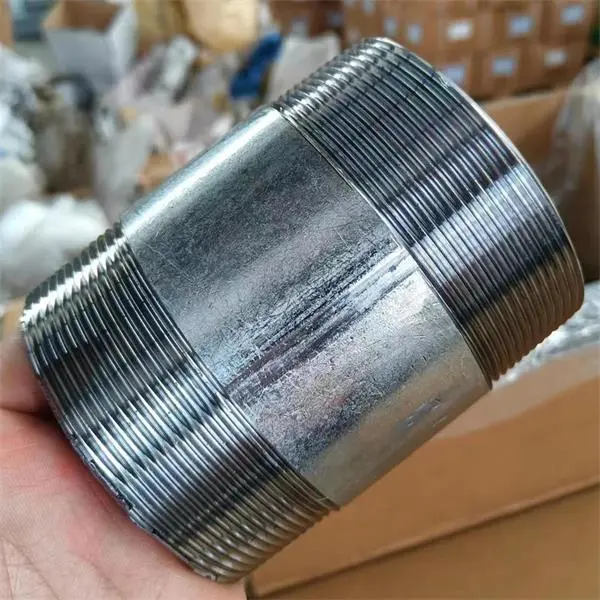
3-inch galvanized steel pipe, 10 feet in length, represents a foundational component in numerous fluid conveyance systems across diverse industries. Galvanization, a zinc coating process, provides crucial corrosion resistance to the underlying steel, making it suitable for applications involving water, gas, and other non-aggressive fluids. This specific diameter and length are common stock items, widely used in plumbing, fire suppression systems, and structural supports. Its technical position lies in providing a robust, cost-effective, and readily available solution for transporting liquids and gases, fitting between raw steel production and the final installed system. Core performance characteristics revolve around pressure handling capability, fluid flow rate, and long-term durability under expected environmental conditions. A critical pain point in industry revolves around maintaining consistent zinc coating thickness and preventing localized corrosion, particularly in threaded connections and areas subject to mechanical stress.
Material Science & Manufacturing
The primary raw material is low-carbon steel, typically ASTM A53 Grade B. This steel possesses sufficient ductility for forming and threading operations while maintaining adequate strength. The zinc coating is applied via hot-dip galvanization. The steel pipe is submerged in a bath of molten zinc, creating a metallurgically bonded coating. The chemical reaction involves the diffusion of zinc into the iron substrate, forming a series of zinc-iron alloy layers followed by an outer layer of pure zinc. Key parameters in this process include steel surface preparation (pickling to remove mill scale and rust), bath temperature (around 450°C), immersion time, and cooling rate. Variations in these parameters directly impact coating thickness, uniformity, and adhesion. Manufacturing also involves seamless or welded construction. Seamless pipe is produced by piercing a solid billet of steel, resulting in a homogenous structure. Welded pipe is formed by rolling steel plate and subsequently welding the seam, often followed by heat treatment to normalize the weld zone. Quality control focuses on dimensional accuracy (diameter, wall thickness, length), zinc coating weight (measured in g/m²), and mechanical properties of the steel itself (yield strength, tensile strength, elongation).
Performance & Engineering
Performance is dictated by several factors. Pressure handling capacity is determined by the pipe's diameter, wall thickness, and the material's yield strength. Calculations utilize Barlow’s formula and relevant safety factors specified by codes like ASME B31.1 for power piping. Fluid flow is governed by the pipe's internal diameter and the fluid's viscosity, employing the Darcy-Weisbach equation or Hazen-Williams formula. Galvanization provides sacrificial protection to the steel, preventing corrosion in most environments. However, the rate of zinc consumption depends on exposure conditions – humidity, salinity, and the presence of pollutants accelerate corrosion. Engineering considerations include thermal expansion and contraction, requiring expansion loops or flexible connectors in long runs. Threaded connections are a potential point of failure due to stress concentration and the possibility of corrosion within the threads. Proper thread sealant application (e.g., PTFE tape) is crucial to prevent leaks and galvanic corrosion. Environmental resistance is limited; galvanized steel is not suitable for highly acidic or alkaline environments without additional protective measures. Compliance requires adherence to standards like NSF/ANSI 61 for potable water systems and UL 6 for fire protection.
Technical Specifications
| Parameter | Nominal Pipe Size | Wall Thickness (Schedule 40) | Outside Diameter |
|---|---|---|---|
| Material | 3 inch | 0.218 inch (5.54 mm) | 3.5 inch (88.9 mm) |
| Standard | ASTM A53 Grade B | Zinc Coating Weight: 50-60 g/m² (minimum) | Yield Strength: 36,000 psi (248 MPa) |
| Tensile Strength | 58,000 psi (400 MPa) minimum | Elongation: 25% minimum | Hydrostatic Test Pressure: 420 psi (2.9 MPa) |
| Weight per Foot | 4.7 lbs/ft (6.9 kg/m) | Maximum Operating Pressure (water) | Varies with temperature and safety factor |
| Corrosion Resistance | Sacrificial Protection by Zinc | pH Range Suitability | 6.0 - 12.0 (generally) |
| Operating Temperature | -30°C to 150°C (limited by sealant and connections) | Connection Type | Threaded (NPT, BSP) or Welded |
Failure Mode & Maintenance
Common failure modes include corrosion, particularly at threaded connections and damaged coating areas. Crevice corrosion can occur under gaskets or in areas with stagnant water. Hydrogen embrittlement, a less frequent but critical failure, can occur during the galvanization process if the steel contains impurities or the process is not properly controlled, leading to delayed cracking. Mechanical damage (dents, punctures) can compromise the coating and accelerate corrosion. Fatigue cracking can occur under cyclic loading, especially at stress concentrators. Maintenance involves regular inspection for signs of corrosion, particularly at joints and in exposed areas. Damaged coatings should be repaired with zinc-rich paint. Threaded connections should be periodically checked for tightness and re-sealed if necessary. Avoid using abrasive cleaners that can remove the zinc coating. For systems handling potable water, flushing is recommended to remove sediment buildup. Preventative measures include minimizing exposure to corrosive environments, applying protective coatings to exposed areas, and ensuring proper grounding to prevent galvanic corrosion in systems with dissimilar metals.
Industry FAQ
Q: What is the typical lifespan of a 3-inch galvanized steel pipe in a standard indoor plumbing application?
A: The lifespan varies significantly based on water quality and environmental factors, but typically ranges from 40 to 70 years. Areas with highly acidic or alkaline water may experience accelerated corrosion, reducing lifespan. Regular inspections and maintenance can extend the service life.
Q: Can galvanized pipe be used for natural gas?
A: Yes, but it’s becoming less common due to the risk of internal corrosion from sulfur compounds often present in natural gas. Modern standards increasingly favor polyethylene (PE) or coated steel pipe for gas distribution. If used, thorough testing and regular inspection are crucial.
Q: What is the difference between Schedule 40 and Schedule 80 galvanized pipe?
A: Schedule 40 and Schedule 80 refer to the pipe wall thickness. Schedule 80 has a thicker wall, providing greater pressure handling capacity and mechanical strength. Schedule 40 is typically used for lower-pressure applications, while Schedule 80 is preferred for higher-pressure or more demanding environments.
Q: Is it acceptable to connect galvanized pipe directly to copper pipe?
A: No, direct connection is not recommended due to galvanic corrosion. The dissimilar metals create a corrosion cell, accelerating corrosion of the less noble metal (typically galvanized steel). A dielectric union or fitting must be used to electrically isolate the two metals.
Q: How do I determine the appropriate zinc coating thickness for my application?
A: The required zinc coating thickness depends on the severity of the exposure environment. ASTM A123 specifies standard zinc coating weights. For indoor applications with moderate humidity, a standard coating of 50-60 g/m² may suffice. More corrosive environments require heavier coatings (e.g., 80-120 g/m² or higher).
Conclusion
3-inch galvanized steel pipe remains a prevalent and cost-effective solution for fluid conveyance, leveraging the protective properties of zinc to extend the service life of the underlying steel. Understanding the material science, manufacturing processes, and potential failure modes is crucial for ensuring long-term reliability and safety. Correct specification of wall thickness, appropriate connection methods, and regular maintenance practices are paramount to maximizing performance and minimizing the risk of corrosion.
Looking forward, ongoing developments in coating technologies and corrosion inhibitors will likely enhance the durability and lifespan of galvanized steel pipes. While alternative materials like plastics and stainless steel are gaining traction, galvanized steel maintains a competitive edge in many applications due to its cost-effectiveness and established performance history. Continued adherence to industry standards and best practices will ensure its continued relevance in infrastructure and industrial systems.
