
Introduction
Carport frame tubing represents a critical structural component in providing weather protection for vehicles and other assets. Typically manufactured from steel – galvanized steel being the predominant material – these tubes form the skeleton of a carport, dictating its load-bearing capacity, longevity, and resistance to environmental stressors. Positioned within the broader building materials supply chain, carport frame tubing occupies a specific niche, demanding a balance between cost-effectiveness, structural integrity, and corrosion resistance. Its performance is evaluated primarily on its yield strength, tensile strength, wall thickness consistency, and the quality of any applied protective coatings. A primary industry pain point revolves around balancing material costs with the required durability, particularly in regions with harsh weather conditions (high snow loads, coastal salt spray, extreme temperatures). Ensuring consistent weld quality during fabrication and preventing premature corrosion are also significant challenges for manufacturers and installers.
Material Science & Manufacturing
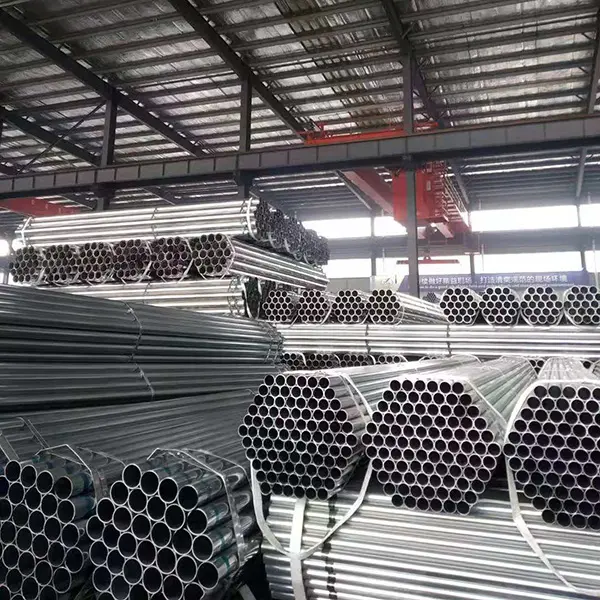
The dominant material for carport frame tubing is steel, specifically various grades of carbon steel. ASTM A500 Grade B is a common specification, offering a balance of strength and weldability. The raw material’s chemical composition directly impacts its mechanical properties; increased carbon content enhances strength but reduces weldability and ductility. Galvanization, either hot-dip or electrogalvanization, is the primary corrosion protection method, creating a zinc coating that acts as a sacrificial anode. Manufacturing processes predominantly involve roll forming, where steel coils are passed through a series of rollers to achieve the desired tube shape. Key parameters during roll forming include roll pressure, feed rate, and the cooling process. Improper control can lead to dimensional inaccuracies and residual stresses within the tube. Welding, typically utilizing MIG or TIG processes, joins the formed tubes into complete frames. Weld penetration, porosity, and the heat-affected zone are critical quality control points. Post-welding, frames often undergo a quality inspection including non-destructive testing such as visual inspection, dye penetrant testing, and occasionally ultrasonic testing to detect weld defects. Powder coating is frequently applied as a secondary corrosion barrier and aesthetic finish, requiring careful surface preparation to ensure adequate adhesion. The choice of powder coating formulation must consider UV resistance and impact strength.
Performance & Engineering
Carport frame performance is dictated by its ability to withstand applied loads, primarily due to snow, wind, and the weight of the covered vehicle(s). Force analysis, utilizing principles of structural mechanics, is crucial in determining the required tube size, wall thickness, and frame geometry. Finite Element Analysis (FEA) is commonly employed to simulate stress distribution under various loading scenarios. Engineering designs must adhere to local building codes and regulations, which specify minimum load requirements and acceptable deflection limits. Wind load calculations are particularly complex, requiring consideration of wind speed, exposure category, and roof angle. Corrosion resistance is paramount; galvanized coatings must meet specific thickness requirements as outlined in ASTM A123. Environmental resistance also encompasses UV degradation of powder coatings and the potential for galvanic corrosion if dissimilar metals are used in the frame assembly. Connection design (bolted or welded joints) is a critical aspect of performance, ensuring adequate strength and preventing premature failure. Maintaining adequate drainage to prevent snow accumulation is an important engineering consideration. Deflection limits are important to prevent water pooling and structural damage.
Technical Specifications
| Parameter | Unit | ASTM A500 Grade B | Typical Galvanized Finish |
|---|---|---|---|
| Yield Strength | MPa | 345 | N/A |
| Tensile Strength | MPa | 450 | N/A |
| Minimum Wall Thickness | mm | 1.65 | N/A |
| Outside Diameter | mm | 50.8 – 101.6 (varies) | N/A |
| Zinc Coating Thickness (Hot-Dip Galvanized) | µm | N/A | 85 - 100 |
| Corrosion Resistance (Salt Spray Test) | Hours to Red Rust | N/A | >240 |
Failure Mode & Maintenance
Common failure modes in carport frame tubing include corrosion, weld failure, and structural overload. Corrosion, particularly in coastal environments or areas with prolonged exposure to moisture, leads to section loss and reduced load-bearing capacity. Localized corrosion, such as pitting corrosion, can initiate at defects in the galvanizing coating. Weld failures can occur due to inadequate penetration, porosity, or fatigue cracking under cyclical loading. Fatigue cracking can also initiate at stress concentrators, such as sharp corners or weld toes. Structural overload occurs when the applied load exceeds the frame's design capacity, leading to bending or buckling. Maintenance involves regular inspection for corrosion, particularly at joints and weld areas. Damaged galvanizing should be repaired with zinc-rich paint. Periodic tightening of bolts is essential to maintain connection integrity. Removal of accumulated snow is crucial in preventing overload during winter months. Re-coating with a quality powder coat can extend the lifespan of the frame, restoring the protective barrier against environmental factors. Promptly addressing any signs of structural distress, such as bending or cracking, is essential to prevent catastrophic failure.
Industry FAQ
Q: What is the primary difference between hot-dip galvanizing and electrogalvanizing for carport frames?
A: Hot-dip galvanizing provides a thicker, more robust zinc coating with superior corrosion protection due to the metallurgical bond formed with the steel. It’s generally preferred for outdoor applications and harsher environments. Electrogalvanizing offers a thinner, more uniform coating and a smoother surface finish but provides less corrosion resistance. While cheaper, it’s less suitable for long-term outdoor exposure.
Q: How does the gauge (wall thickness) of the tubing affect the carport's load-bearing capacity?
A: The gauge is directly proportional to the load-bearing capacity. Thicker gauge tubing (lower gauge number) provides greater resistance to bending and buckling under load. Increasing the gauge significantly increases the cost, so a careful engineering analysis is required to optimize the gauge for the expected loads and span lengths.
Q: What welding processes are most commonly used for carport frame fabrication, and what are their pros and cons?
A: MIG (Gas Metal Arc Welding) and TIG (Gas Tungsten Arc Welding) are the most common. MIG is faster and more cost-effective for thicker materials, but TIG offers greater control and produces higher-quality welds, particularly on thinner materials and for aesthetic applications. Both require skilled welders to ensure adequate penetration and avoid defects.
Q: What are the common causes of corrosion in galvanized steel carports, and how can they be mitigated?
A: Corrosion can be caused by scratches or damage to the galvanizing coating, exposure to salt spray (coastal environments), acid rain, and galvanic corrosion if dissimilar metals are in contact. Mitigation strategies include regular inspection and repair of damaged coatings, using corrosion-inhibiting paints, and avoiding direct contact between galvanized steel and other metals.
Q: How important is FEA (Finite Element Analysis) in the design of carport frames?
A: FEA is crucial for optimizing the frame design and ensuring structural integrity. It allows engineers to simulate stress distribution under various loading conditions, identify potential weak points, and refine the design to minimize material usage and maximize load-bearing capacity. It’s a vital tool for meeting building code requirements and preventing structural failure.
Conclusion
Carport frame tubing represents a critical balance between material science, manufacturing precision, and structural engineering. The selection of appropriate steel grades, coupled with effective corrosion protection strategies like galvanization and powder coating, dictates the longevity and reliability of these structures. A thorough understanding of load-bearing principles, adherence to relevant building codes, and consistent quality control throughout the fabrication process are essential for ensuring safe and durable carports.
Future developments in carport frame technology are likely to focus on the use of higher-strength steel alloys, improved corrosion-resistant coatings, and the integration of smart sensors for structural health monitoring. Optimizing frame designs through advanced simulation techniques and incorporating sustainable manufacturing practices will also be key areas of innovation. Continued research and development are vital for addressing the evolving needs of the market and ensuring the long-term performance of carport structures.
