Introduction
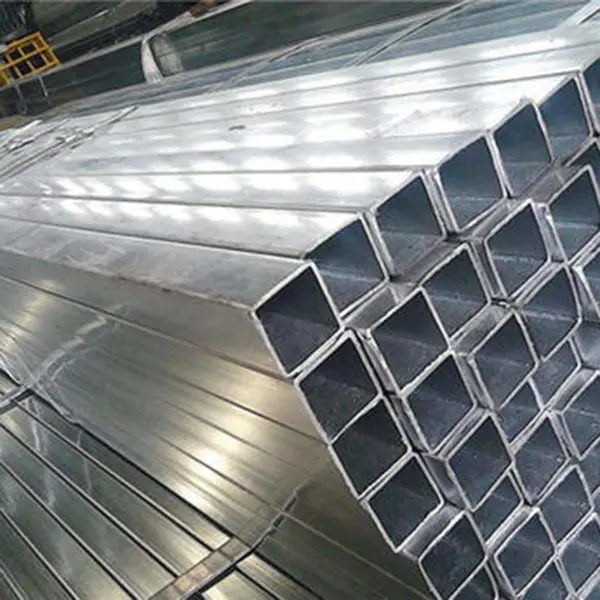
Gauge tube, also known as tubing, refers to a hollow cylindrical component utilized for the conveyance of fluids or gases, or as a structural member in various industrial applications. Positioned within the broader category of pipe products, gauge tube distinguishes itself through stricter dimensional tolerances, smoother surface finishes, and a greater emphasis on precision. Its application spans a diverse range of sectors including instrumentation, process control, hydraulic systems, and medical devices. Core performance characteristics center around maintaining internal pressure, resisting corrosion, and providing accurate flow rates. The selection of gauge tube material and manufacturing process is critically dependent on the specific application requirements, particularly concerning fluid compatibility, operating temperature, and pressure demands. Industry pain points revolve around ensuring consistent dimensional accuracy, particularly in capillary tubing, preventing defects during bending and flaring operations, and reliably verifying material traceability to meet stringent regulatory compliance.
Material Science & Manufacturing
Gauge tubes are fabricated from a variety of materials, each possessing unique physical and chemical properties impacting performance. Common materials include stainless steel (304, 316L, 321), carbon steel, copper, brass, aluminum, and specialized alloys like Inconel and Hastelloy for highly corrosive environments. Stainless steels offer excellent corrosion resistance due to the formation of a passive chromium oxide layer. Carbon steel, while less expensive, requires protective coatings to prevent oxidation. Copper and brass are favored for their conductivity and malleability. Aluminum provides a high strength-to-weight ratio. Manufacturing processes are diverse and selected based on material and desired tube properties. Seamless tubing is produced through extrusion and subsequent drawing processes, resulting in superior strength and pressure resistance. Welded tubing involves forming a strip into a cylindrical shape and welding the seam, typically utilizing electric resistance welding (ERW) or laser welding. Key parameter control during manufacturing includes maintaining consistent wall thickness, controlling grain size and orientation (particularly in stainless steel to maximize corrosion resistance), and minimizing residual stress. Annealing and stress relieving heat treatments are crucial for optimizing material ductility and preventing stress corrosion cracking. Surface finishing operations, such as polishing and passivation, further enhance corrosion resistance and improve flow characteristics.
Performance & Engineering
The performance of gauge tube is governed by several critical engineering considerations. Hydrostatic pressure testing is paramount to verifying the tube's ability to withstand internal pressure without failure. Burst pressure testing establishes the ultimate pressure limit. Tensile strength and yield strength dictate the tube’s resistance to deformation under load. Elongation at break indicates the material's ductility. Hardness testing, typically using Rockwell or Vickers scales, assesses the material’s resistance to indentation. Environmental resistance is a key factor, particularly concerning corrosion in harsh chemical environments. Galvanic corrosion, arising from contact with dissimilar metals, must be mitigated through proper material selection and insulation. Temperature effects are significant, as elevated temperatures can reduce yield strength and accelerate corrosion rates. Compliance requirements vary by industry. For medical applications, biocompatibility standards (ISO 10993) are essential. For oil and gas applications, API 5L and NACE MR0175/ISO 15156 standards dictate material selection and testing protocols to prevent sulfide stress cracking. Force analysis is essential during installation and operation, especially in hydraulic systems where tubes are subjected to bending moments and axial loads. Proper support structures and flexible couplings are crucial for managing these forces and preventing fatigue failure.
Technical Specifications
| Material | Outer Diameter (mm) | Wall Thickness (mm) | Pressure Rating (MPa) @ 20°C |
|---|---|---|---|
| Stainless Steel 304 | 6.35 | 1.0 | 20 |
| Stainless Steel 316L | 8.0 | 1.5 | 25 |
| Carbon Steel (ASTM A53) | 10.2 | 2.0 | 18 |
| Copper (C10100) | 4.76 | 0.8 | 15 |
| Aluminum 6061-T6 | 12.7 | 1.2 | 12 |
| Inconel 625 | 9.52 | 2.11 | 35 |
Failure Mode & Maintenance
Gauge tube failures can occur through several mechanisms. Fatigue cracking, induced by cyclic loading, is a common failure mode in hydraulic systems. Corrosion, particularly pitting and crevice corrosion in stainless steels, can lead to leaks and structural weakening. Erosion, caused by abrasive particles in fluid streams, gradually wears away the tube wall. Delamination, a separation of material layers, can occur in welded tubes due to inadequate welding procedures or material incompatibilities. Oxidation at high temperatures degrades the material’s mechanical properties. Stress corrosion cracking, a synergistic effect of tensile stress and corrosive environment, can lead to catastrophic failure. Maintenance strategies include regular visual inspections for signs of corrosion, pitting, or deformation. Hydrostatic testing should be performed periodically to verify structural integrity. Proper cleaning procedures are essential to remove abrasive particles and corrosive contaminants. Protective coatings, such as epoxy or polyurethane, can enhance corrosion resistance. For stainless steel tubes, passivation treatments can restore the protective chromium oxide layer. Replacement of damaged or corroded tubes is crucial to prevent catastrophic failures. Accurate record-keeping of inspection and maintenance activities is essential for long-term reliability.
Industry FAQ
Q: What is the impact of grain size on the corrosion resistance of stainless steel gauge tube?
A: Smaller grain sizes generally lead to improved corrosion resistance in stainless steel. This is because grain boundaries are preferential sites for corrosion initiation. A finer grain structure increases the density of grain boundaries, but also reduces their overall contribution to the total surface area, effectively hindering corrosion propagation. Furthermore, smaller grain sizes promote a more uniform distribution of chromium carbides, enhancing the passive layer's protective capabilities.
Q: How does the bending radius affect the integrity of a gauge tube during forming?
A: The bending radius is critical. Too small a radius can induce excessive stress concentration, leading to cracking or thinning of the tube wall. A minimum bending radius, typically specified as a multiple of the outer diameter (e.g., 2.5D or 3D), must be adhered to. Controlled bending processes, such as mandrel bending, are preferred to minimize ovality and maintain consistent wall thickness. Post-bending heat treatment can relieve residual stresses and improve ductility.
Q: What are the key considerations when selecting a gauge tube for a high-temperature application?
A: High-temperature applications demand materials with high creep resistance, oxidation resistance, and a stable microstructure at elevated temperatures. Alloys like Inconel, Hastelloy, and certain grades of stainless steel (e.g., 321) are often preferred. The tube's wall thickness must be sufficient to withstand the reduced yield strength at high temperatures. Thermal expansion coefficients should be considered to prevent stress buildup during temperature fluctuations. Avoid materials susceptible to embrittlement at high temperatures.
Q: How can you verify the material traceability of a gauge tube to ensure compliance with industry standards?
A: Material traceability is verified through a combination of documentation and physical marking. A Material Test Report (MTR) provides detailed chemical composition and mechanical property data. Heat numbers should be clearly marked on the tube, allowing for backward traceability to the original raw material batch. Certifications (e.g., EN 10204 3.1) confirm the conformity of the material to specified standards. Supplier audits are crucial to ensure the integrity of the traceability system.
Q: What are the best practices for preventing galvanic corrosion when connecting dissimilar gauge tube materials?
A: Preventing galvanic corrosion involves minimizing the electrical potential difference between dissimilar metals and isolating them from the electrolyte. Use dielectric fittings or sleeves to electrically insulate the connection. Apply a protective coating to both metals to create a barrier against corrosion. Choose materials with similar electrochemical potentials. If dissimilar metals must be connected, use a sacrificial anode (a more reactive metal) to protect the more noble metal.
Conclusion
Gauge tube selection and application require a comprehensive understanding of material science, manufacturing processes, and engineering principles. Ensuring optimal performance and reliability hinges on precise dimensional control, appropriate material selection based on the operating environment, and adherence to relevant industry standards. The proper identification and mitigation of potential failure modes, coupled with proactive maintenance strategies, are critical for maximizing the lifespan and safety of these essential components.
Future advancements in gauge tube technology will likely focus on developing new alloy compositions with enhanced corrosion resistance and high-temperature performance, as well as refining manufacturing processes to achieve tighter tolerances and improved surface finishes. Continued emphasis on non-destructive testing (NDT) techniques and predictive maintenance algorithms will contribute to improved reliability and reduced lifecycle costs. The growing demand for miniaturization and precision instrumentation will further drive innovation in the field of capillary tubing.
