
Introduction
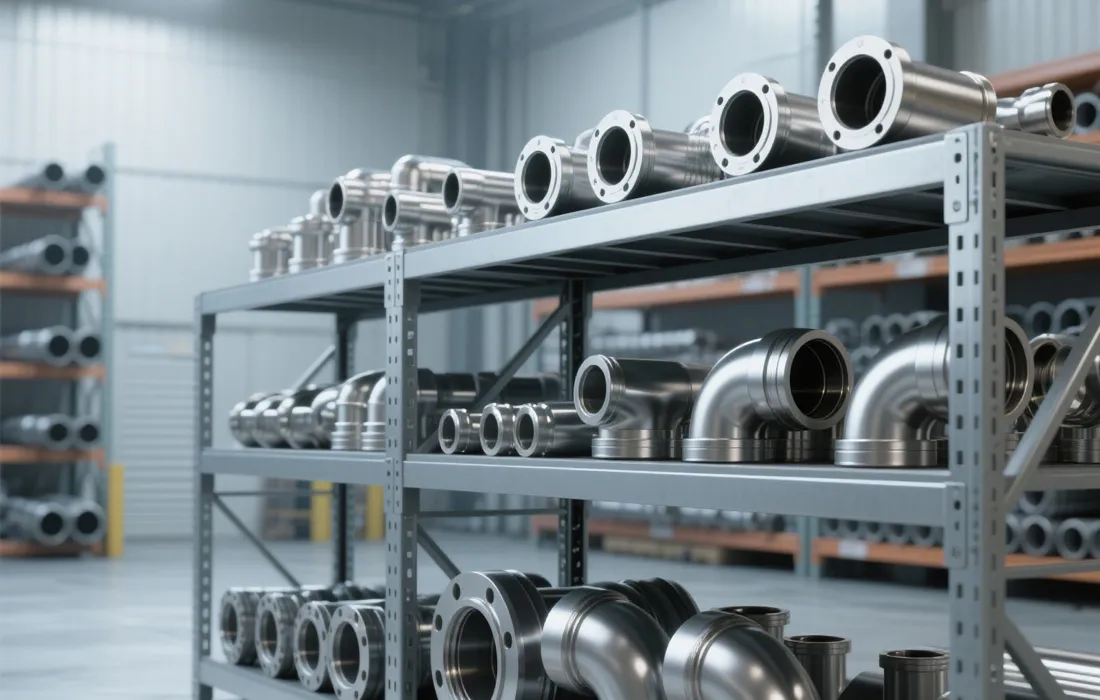
Large metal cylinder tubes are hollow cylindrical components fabricated from various metallic alloys, widely utilized across numerous industries including pressure vessel manufacturing, structural engineering, oil & gas, chemical processing, and transportation. Their fundamental role is to contain fluids or gases under pressure, provide structural support, or serve as protective conduits. This guide provides a comprehensive technical overview, addressing material selection, manufacturing processes, performance characteristics, failure modes, and relevant industry standards. The increasing demand for higher operating pressures, corrosive environments, and stringent safety regulations necessitate a detailed understanding of these cylinders' behavior and limitations. Core performance metrics include yield strength, tensile strength, burst pressure, corrosion resistance, and dimensional tolerances. Industry pain points revolve around ensuring weld integrity, managing material degradation, predicting long-term performance, and complying with evolving regulatory requirements.
Material Science & Manufacturing
Common materials for large metal cylinder tubes include carbon steel (ASTM A516 Grades 70 and 60), low alloy steels (ASTM A387), stainless steels (304/304L, 316/316L, duplex stainless steels), and specialized alloys like Inconel or Hastelloy for high-temperature or highly corrosive applications. Carbon steel provides a cost-effective solution for moderate pressure and temperature applications, but is susceptible to corrosion. Stainless steels offer superior corrosion resistance, particularly in chloride environments. Manufacturing typically involves rolling and welding processes. Plate rolling forms the cylindrical shape, followed by longitudinal or spiral welding. Welding parameters are critical, including heat input, shielding gas composition, and weld bead geometry. Non-destructive testing (NDT) methods like radiographic testing (RT), ultrasonic testing (UT), and liquid penetrant testing (PT) are essential to verify weld integrity and detect defects such as porosity, inclusions, and cracks. Post-weld heat treatment (PWHT) is often employed to relieve residual stresses and improve ductility. Thermoforming is used for certain alloy compositions and smaller diameter cylinders. Critical parameters during manufacturing include wall thickness control, ovality (deviation from circularity), and straightness. Material certification and traceability are vital to ensure compliance with specifications. The metallurgical structure of the weld zone significantly impacts the cylinder's mechanical properties and resistance to fatigue cracking. Improper cooling rates during welding can lead to the formation of martensite, reducing toughness and increasing susceptibility to cracking.
Performance & Engineering
The primary performance characteristic of a large metal cylinder tube is its ability to withstand internal or external pressure without failure. This is governed by hoop stress and longitudinal stress, calculated using thin-walled cylinder theory (Lame’s equations). Hoop stress (σh = PD/2t) is typically higher than longitudinal stress (σl = PD/4t), where P is the internal pressure, D is the diameter, and t is the wall thickness. Finite element analysis (FEA) is frequently used to model stress distribution, particularly in complex geometries or with varying wall thicknesses. Fatigue analysis is crucial for applications involving cyclic loading. Fatigue life is influenced by stress range, mean stress, surface finish, and the presence of stress concentrators (e.g., welds, nozzles). Environmental resistance is a critical consideration, particularly in corrosive environments. Corrosion can lead to wall thinning, pitting, and ultimately, catastrophic failure. Cathodic protection, corrosion inhibitors, and material selection are employed to mitigate corrosion. Compliance with pressure vessel codes (ASME Boiler and Pressure Vessel Code Section VIII Division 1 & 2, EN 13445) is mandatory. These codes specify design rules, fabrication procedures, inspection requirements, and safety factors. Buckling analysis is essential for cylinders subjected to external pressure. The critical buckling pressure is influenced by the cylinder's geometry, material properties, and boundary conditions. Consideration must be given to the effects of temperature, as material properties change with temperature.
Technical Specifications
| Parameter | Unit | Typical Value (Carbon Steel) | Typical Value (Stainless Steel 316L) |
|---|---|---|---|
| Yield Strength | MPa | 250 | 220 |
| Tensile Strength | MPa | 485 | 580 |
| Elongation | % | 22 | 40 |
| Wall Thickness | mm | 6-50 | 6-50 |
| Diameter | mm | 100-3000 | 100-3000 |
| Burst Pressure (Safety Factor 4.0) | MPa | 62.5 (for 6mm thickness) | 72.5 (for 6mm thickness) |
Failure Mode & Maintenance
Common failure modes include: 1) Yielding/Rupture: Exceeding the material’s strength limits due to overpressure or excessive load. 2) Fatigue Cracking: Initiation and propagation of cracks due to cyclic loading, often originating at weld defects or stress concentrators. 3) Corrosion: Material degradation due to chemical reaction with the environment, leading to wall thinning and potential leaks. 4) Creep: Time-dependent deformation under sustained load at elevated temperatures. 5) Buckling: Instability under external pressure or compressive loads. 6) Erosion: Material loss due to abrasive wear from fluid flow. Maintenance procedures include: 1) Visual Inspection: Regular checks for signs of corrosion, dents, or other damage. 2) NDT: Periodic ultrasonic testing (UT) to assess wall thickness and detect internal flaws. 3) Hydrostatic Testing: Pressure testing to verify the cylinder's integrity. 4) Protective Coating Application: Applying corrosion-resistant coatings to prevent corrosion. 5) Weld Inspection and Repair: Thorough inspection of welds and repair of any detected defects. Preventative maintenance, based on risk assessment and operating conditions, is crucial to extending the cylinder's service life. Failure analysis should be conducted after any in-service failure to determine the root cause and implement corrective actions. The presence of hydrogen embrittlement in high-strength steels can significantly reduce fracture toughness and accelerate crack propagation. Regular monitoring of operating parameters (pressure, temperature, fluid composition) is essential for early detection of potential problems.
Industry FAQ
Q: What is the impact of weld quality on the long-term performance of a large cylinder tube?
A: Weld quality is paramount. Defects such as porosity, inclusions, and incomplete fusion significantly reduce the weld's strength and fatigue resistance, acting as stress concentrators. These defects can lead to premature failure under cyclic loading or corrosive conditions. Rigorous NDT is crucial, alongside qualified welding procedures and welders.
Q: How do different corrosion types affect cylinder integrity, and what mitigation strategies are most effective?
A: Different corrosion types (general corrosion, pitting corrosion, crevice corrosion, stress corrosion cracking) all compromise wall thickness and mechanical properties. Mitigation strategies include material selection (stainless steels, duplex alloys), cathodic protection, corrosion inhibitors, and protective coatings. Regular inspection and monitoring of corrosion rates are essential.
Q: What is the role of Post-Weld Heat Treatment (PWHT) in improving cylinder performance?
A: PWHT relieves residual stresses induced during welding, improving ductility and toughness. This reduces the susceptibility to stress corrosion cracking and fatigue failure. The specific PWHT parameters (temperature, holding time, cooling rate) depend on the material and welding process.
Q: How do you account for temperature variations when designing a cylinder for high-temperature applications?
A: Material properties (yield strength, tensile strength, creep resistance) decrease with increasing temperature. Design calculations must incorporate derated material properties at the operating temperature. Creep analysis is essential for long-term performance prediction at elevated temperatures. Thermal expansion and contraction must also be considered.
Q: What are the key differences between ASME Section VIII Div. 1 and Div. 2, and when would you choose one over the other?
A: ASME Section VIII Div. 1 is a rule-based code, providing simplified design rules. Div. 2 is a design-by-analysis code, allowing for more optimized designs but requiring more sophisticated analysis (FEA). Div. 2 generally results in lighter and more cost-effective designs but requires greater engineering expertise.
Conclusion
Large metal cylinder tubes are critical components in numerous industrial applications, requiring careful consideration of material selection, manufacturing processes, and performance characteristics. Ensuring structural integrity and preventing failure demands a thorough understanding of stress analysis, fatigue behavior, corrosion mechanisms, and relevant industry standards. Adherence to established codes and standards, coupled with rigorous quality control and preventative maintenance, is paramount for maximizing service life and minimizing the risk of catastrophic failure.
Future advancements in materials science, such as the development of high-strength, corrosion-resistant alloys, and the increasing use of advanced manufacturing techniques like additive manufacturing will continue to enhance the performance and reliability of these cylinders. Furthermore, the integration of sensor technologies for real-time monitoring of stress, strain, and corrosion will enable predictive maintenance strategies and improve overall safety.
