
Introduction
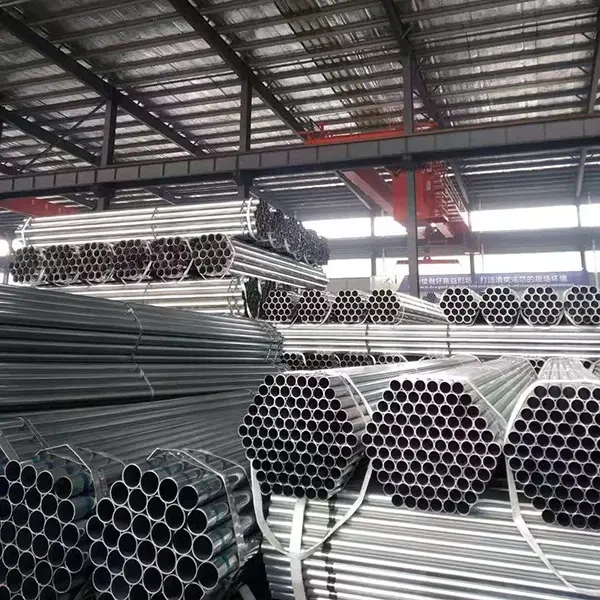
Large diameter metal tubes, typically defined as having an outer diameter exceeding 12 inches (304.8 mm), represent a critical component in numerous heavy industrial applications. These tubes are not simply scaled-up versions of smaller pipe; their fabrication, performance characteristics, and associated challenges necessitate specialized engineering and manufacturing processes. Within the industry chain, large metal tubes typically follow a sequence starting with raw material sourcing (steel, alloys), followed by forming processes like seamless extrusion or welding of plate, heat treatment, non-destructive testing (NDT), coating and finally, delivery to end-users in sectors such as oil and gas, petrochemicals, power generation, and structural engineering. Core performance attributes include pressure containment capability, resistance to corrosion and erosion, structural integrity under load, and dimensional accuracy. The demand for high-performance large diameter tubes is driven by increasingly stringent safety regulations, the need for efficient fluid and gas transport, and the construction of increasingly complex infrastructure projects. A key pain point in the industry is balancing cost-effectiveness with the required material properties and quality control measures necessary to ensure long-term reliability and prevent catastrophic failures.
Material Science & Manufacturing
The materials commonly used in large diameter metal tube fabrication are carbon steels (ASTM A53, A106), low-alloy steels (ASTM A335 P11, P22, P91), and stainless steels (304/304L, 316/316L, duplex stainless steels). Each material offers varying degrees of strength, weldability, corrosion resistance, and high-temperature performance. Carbon steels, while cost-effective, require robust corrosion protection. Low-alloy steels provide improved creep resistance for high-temperature applications. Stainless steels offer superior corrosion resistance but are generally more expensive. Manufacturing processes fall into two primary categories: seamless and welded. Seamless tube production utilizes processes like rotary piercing or extrusion, where a solid billet is transformed into a hollow tube without a weld seam. This results in superior mechanical properties and is preferred for critical applications. Welded tube manufacturing involves forming a strip of metal into a cylindrical shape and then welding the seam using processes like submerged arc welding (SAW), electric resistance welding (ERW), or laser welding. Post-weld heat treatment (PWHT) is crucial for relieving residual stresses and improving the weld seam’s toughness. Key parameter control during manufacturing includes precise temperature control during heat treatment, consistent weld bead geometry and penetration, and rigorous NDT procedures (radiographic testing, ultrasonic testing, magnetic particle inspection) to detect flaws. The metallurgical structure, particularly grain size and inclusion content, significantly impacts the tube's mechanical properties and susceptibility to fracture.
Performance & Engineering
The performance of large diameter metal tubes is heavily influenced by external and internal pressure, axial and bending loads, temperature variations, and the nature of the conveyed fluid or gas. Force analysis involves calculations based on thin-walled pressure vessel theory (Hoop stress, Longitudinal stress) to determine the tube’s ability to withstand internal pressure without yielding or bursting. External loads, such as those encountered in pipeline applications, require consideration of bending moments and buckling resistance. Environmental resistance is a critical concern, particularly in corrosive environments. Factors like chloride concentration, pH, and temperature accelerate corrosion rates. Material selection and protective coatings (epoxy, polyurethane, polyethylene) are vital for mitigating corrosion. Compliance requirements are dictated by industry standards (API 5L, ASME B31.3, EN 10217) and regulatory bodies. For example, ASME B31.3 outlines design, fabrication, inspection, and testing requirements for power piping systems. Functional implementation details include considerations for thermal expansion and contraction, which necessitate the use of expansion joints or carefully designed support structures. Fatigue analysis is essential for tubes subjected to cyclic loading, considering factors like stress range, mean stress, and the material’s fatigue strength. Creep deformation, the time-dependent deformation under sustained stress at elevated temperatures, must also be accounted for in high-temperature applications.
Technical Specifications
| Parameter | ASTM A53 Grade B | ASTM A335 P11 | 304/304L Stainless Steel | API 5L X70 |
|---|---|---|---|---|
| Outer Diameter (inches) | 4 - 48 | 4 - 30 | 1/2 - 12 | 4 - 48 |
| Wall Thickness (inches) | Sch 40, Sch 80, Variable | Sch 40, Sch 80, Variable | Variable | Variable |
| Yield Strength (psi) | 36,000 | 35,000 | 30,000 | 70,000 |
| Tensile Strength (psi) | 58,000 | 60,000 | 75,000 | 80,000 |
| Elongation (%) | 22 | 20 | 30 | 20 |
| Maximum Operating Temperature (°F) | 300 | 850 | 800 | 650 |
Failure Mode & Maintenance
Large diameter metal tubes are susceptible to several failure modes. Corrosion, both uniform and localized (pitting, crevice corrosion, galvanic corrosion), is a primary concern. Erosion, particularly in high-velocity fluid or gas flow, can wear away the tube material. Fatigue cracking can occur under cyclic loading, initiating at stress concentrators like welds or dents. Hydrogen embrittlement, a phenomenon where hydrogen atoms diffuse into the metal lattice, can reduce ductility and promote cracking, especially in high-strength steels. Creep rupture can occur at elevated temperatures, leading to sudden failure. Weld defects (porosity, inclusions, lack of fusion) are also a common cause of failure. Maintenance solutions include regular inspection using NDT methods (ultrasonic testing, radiographic testing, visual inspection), application of protective coatings, cathodic protection to mitigate corrosion, and periodic hydrostatic testing to verify pressure integrity. For existing corrosion, repair welding or the use of composite wraps can extend the tube’s service life. Preventive maintenance programs, including monitoring of operating conditions (temperature, pressure, flow rate) and implementation of corrosion monitoring systems, are crucial for minimizing the risk of failure. Proper support design to minimize bending stresses is also critical.
Industry FAQ
Q: What is the significance of NACE MR0175/ISO 15156 in material selection for sour service applications?
A: NACE MR0175/ISO 15156 provides guidelines for selecting materials resistant to sulfide stress cracking (SSC) in environments containing hydrogen sulfide (H2S), commonly found in oil and gas production. It defines acceptable material combinations and specifies hardness limits to minimize SSC susceptibility. Selecting materials that comply with this standard is critical for ensuring the long-term integrity and safety of pipelines and equipment in sour service.
Q: How does weld heat input affect the mechanical properties of a welded large diameter tube?
A: Higher weld heat input generally leads to a larger heat-affected zone (HAZ) and coarser grain structure, potentially reducing toughness and increasing susceptibility to cracking. Lower heat input can result in incomplete fusion or lack of penetration. The optimal heat input is a compromise, carefully controlled to achieve adequate fusion and penetration while minimizing HAZ size and maintaining acceptable mechanical properties. Post-weld heat treatment is often employed to refine the HAZ microstructure and relieve residual stresses.
Q: What are the advantages of duplex stainless steel over 304/316 stainless steel in highly corrosive environments?
A: Duplex stainless steels (e.g., 2205) offer superior pitting and crevice corrosion resistance compared to austenitic stainless steels like 304/316 due to their higher chromium, nickel, and molybdenum content, and the presence of ferrite in their microstructure. They also exhibit higher strength and improved resistance to stress corrosion cracking.
Q: How is hydrostatic testing performed, and what acceptance criteria are typically used?
A: Hydrostatic testing involves filling the tube with a test fluid (typically water) and pressurizing it to a level significantly higher than its normal operating pressure (typically 1.25 to 1.5 times the design pressure). The tube is held at this pressure for a specified period, and visual inspection is performed to check for leaks. Acceptance criteria generally require no visible leaks or permanent deformation. The test pressure and duration are dictated by relevant industry standards and regulations.
Q: What are the key considerations when specifying a protective coating for a large diameter tube operating in a marine environment?
A: Selecting a protective coating for marine applications requires careful consideration of factors like salt spray exposure, abrasion resistance, UV degradation, and immersion conditions. Common coating systems include epoxy, polyurethane, and polyethylene. Surface preparation is critical for coating adhesion. Multi-layer coating systems often provide the best long-term performance. Cathodic protection may also be used in conjunction with coatings to provide additional corrosion protection.
Conclusion
Large diameter metal tubes are essential infrastructure components demanding a thorough understanding of material science, manufacturing processes, and engineering principles. The selection of appropriate materials, meticulous quality control during fabrication, and diligent maintenance are paramount to ensuring long-term reliability and preventing catastrophic failures. The industry continues to evolve with advancements in materials (e.g., high-strength alloys, corrosion-resistant alloys) and fabrication techniques (e.g., laser welding, additive manufacturing), aiming to improve performance and reduce lifecycle costs.
Looking forward, greater emphasis will be placed on predictive maintenance using sensor technology and data analytics to monitor tube condition in real-time and proactively address potential issues. The development of more environmentally friendly coatings and corrosion inhibitors will also be a key focus. Ultimately, a holistic approach encompassing material selection, manufacturing expertise, rigorous inspection, and proactive maintenance is crucial for maximizing the lifespan and ensuring the safe operation of large diameter metal tube systems.
