Introduction
Metal coolant pipes are a critical component in numerous industrial applications, serving as a circulatory system for temperature regulation. These pipes, constructed from various metallic alloys, facilitate the transfer of coolant fluids – typically water, glycol mixtures, or specialized oils – to dissipate heat generated by machinery, engines, and manufacturing processes. Their technical position within the industrial chain is multifaceted, ranging from direct OEM supply to power generation, automotive manufacturing, plastics processing, and metalworking. Core performance characteristics revolve around thermal conductivity, corrosion resistance, burst pressure, and hydraulic flow capacity. The selection of appropriate materials and manufacturing processes directly impacts the efficiency and reliability of the cooling system, and ultimately, the overall productivity and lifespan of the equipment they serve. A primary industry pain point is maintaining consistent coolant flow under varying thermal loads and preventing failures due to corrosion or erosion.
Material Science & Manufacturing
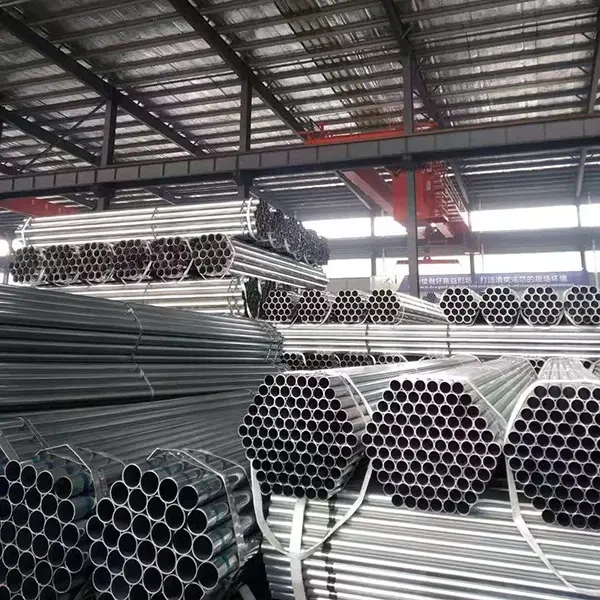
The choice of material for metal coolant pipes is paramount, dictated by the coolant type, operating temperature, pressure requirements, and environmental conditions. Common materials include copper alloys (e.g., brass, bronze) known for high thermal conductivity, stainless steel (304, 316) offering excellent corrosion resistance, carbon steel often utilized for cost-effectiveness and high-pressure applications (requiring protective coatings), and aluminum alloys favored for lightweight applications. Manufacturing processes vary based on pipe diameter, wall thickness, and production volume. Seamless tubing, produced through extrusion and drawing, offers superior strength and pressure resistance. Welded pipes, created by joining formed sheets or strips, are more cost-effective but require careful weld quality control to prevent leakage and corrosion initiation at the weld seam. Specifically, for stainless steel pipes, TIG (Tungsten Inert Gas) welding is preferred due to its precision and ability to create clean, corrosion-resistant welds. For copper, brazing is frequently used. Key parameters in these processes include temperature control during welding/brazing to prevent material distortion or formation of undesirable metallurgical phases, precise dimensional control to ensure proper fit and flow characteristics, and surface finishing to minimize friction losses and promote corrosion resistance. Surface treatments like passivation (for stainless steel) and electroplating (for carbon steel) are critical. The roughness of the inner surface impacts fluid dynamic drag and potential for fouling.
Performance & Engineering
Performance analysis of metal coolant pipes centers on hydraulic and thermal considerations. Hydraulic analysis focuses on determining pressure drop as a function of flow rate, pipe diameter, length, and coolant viscosity – governed by the Darcy-Weisbach equation and Moody chart. Ensuring adequate flow velocity is crucial to prevent sedimentation and localized overheating, but excessive velocity can lead to erosion. Thermal performance is characterized by the pipe's ability to efficiently transfer heat from the heat source to the coolant. This is dependent on the material’s thermal conductivity, pipe wall thickness, and the temperature difference between the heat source and the coolant. Engineering design must account for thermal expansion and contraction of the pipe material with temperature changes, requiring expansion loops or flexible couplings to prevent stress buildup and potential failure. Furthermore, the pipes must withstand the operating pressure and potential pressure surges (water hammer). Burst pressure calculations are vital, incorporating factors of safety based on the application’s criticality. Compliance requirements often mandate adherence to pressure vessel codes (e.g., ASME Boiler and Pressure Vessel Code Section VIII) and environmental regulations concerning coolant containment. Finite Element Analysis (FEA) is frequently employed to model stress distribution, thermal gradients, and predict failure modes under various operating conditions. Considerations for galvanic corrosion are also paramount when dissimilar metals are used in the coolant system.
Technical Specifications
| Material | Inner Diameter (mm) | Wall Thickness (mm) | Maximum Operating Pressure (MPa) |
|---|---|---|---|
| Copper (C12200) | 16 | 1.5 | 3.5 |
| Stainless Steel 304 | 25 | 2.0 | 10.0 |
| Carbon Steel (SAE 1020) – Coated | 38 | 3.0 | 15.0 |
| Aluminum Alloy 6061-T6 | 19 | 1.0 | 4.0 |
| Stainless Steel 316 | 32 | 2.5 | 12.0 |
| Brass (C26000) | 12 | 1.2 | 2.8 |
Failure Mode & Maintenance
Metal coolant pipes are susceptible to several failure modes. Corrosion, both general and localized (pitting, crevice corrosion), is a primary concern, particularly with incompatible coolant mixtures or inadequate corrosion inhibitors. Erosion, caused by abrasive particles in the coolant, can wear away the pipe wall, reducing its thickness and pressure resistance. Fatigue cracking can occur due to cyclic thermal stresses and pressure fluctuations. Galvanic corrosion arises when dissimilar metals are in contact within the coolant system, accelerating corrosion of the less noble metal. Leakage at welded seams is another common failure point, often stemming from inadequate weld penetration or porosity. Scale buildup inside the pipes reduces flow area and impairs heat transfer. Maintenance strategies involve regular coolant analysis to monitor pH, inhibitor levels, and contamination, periodic visual inspections for signs of corrosion or leakage, and pressure testing to verify structural integrity. Preventative measures include proper coolant selection, maintaining recommended coolant flow rates, and implementing a corrosion prevention program (e.g., using sacrificial anodes). For corroded pipes, replacement is typically the most viable solution, although localized repairs may be possible for minor pitting. Proper cleaning protocols, including flushing and descaling, should be established to remove accumulated deposits.
Industry FAQ
Q: What are the key differences between copper and stainless steel coolant pipes regarding corrosion resistance?
A: Copper exhibits excellent resistance to corrosion in neutral pH coolants, but is susceptible to corrosion in acidic or alkaline environments. Stainless steel, particularly grades 304 and 316, offers superior corrosion resistance across a broader pH range and is less susceptible to pitting and crevice corrosion. However, stainless steel can be vulnerable to galvanic corrosion when coupled with dissimilar metals. The choice depends heavily on the coolant composition and the system’s overall material selection.
Q: How does the inner surface roughness of a coolant pipe affect its performance?
A: Higher inner surface roughness increases friction losses, reducing coolant flow rate and increasing pressure drop. It also provides more surface area for scale buildup and promotes turbulence, potentially leading to localized overheating and corrosion. Smoother surfaces minimize friction, improve heat transfer, and reduce the likelihood of fouling.
Q: What measures can be taken to prevent water hammer in coolant systems?
A: Water hammer is caused by sudden changes in flow velocity. Preventative measures include installing pressure relief valves, using accumulators to dampen pressure surges, controlling valve closure rates, and ensuring adequate pipe support to minimize vibration. Slow-closing valves or the implementation of soft-start mechanisms for pumps are also effective.
Q: What is the significance of passivation in stainless steel coolant pipes?
A: Passivation is a chemical treatment that forms a protective oxide layer on the stainless steel surface, enhancing its corrosion resistance. This layer is self-healing to some extent, but can be compromised by chloride exposure or improper cleaning procedures. Regular passivation maintenance is crucial for maintaining long-term corrosion protection.
Q: How does coolant velocity impact the lifespan of a coolant pipe?
A: Excessive coolant velocity can lead to erosion, particularly at bends and restrictions in the pipe. Insufficient velocity can promote sedimentation and localized overheating. Maintaining optimal coolant velocity, determined through hydraulic calculations, is crucial for maximizing pipe lifespan and ensuring efficient heat transfer. The ideal velocity balances minimizing erosion and preventing settling.
Conclusion
Metal coolant pipes represent a foundational element in numerous thermal management systems. The selection of appropriate materials, coupled with meticulous manufacturing processes and diligent maintenance practices, are paramount to ensuring reliable and efficient operation. Understanding the interplay between material science, hydraulic engineering, and corrosion mechanisms is critical for optimizing system performance and preventing costly failures.
Future trends will likely focus on the development of advanced materials with enhanced thermal properties and corrosion resistance, as well as the integration of smart sensors for real-time monitoring of coolant quality and pipe integrity. Continued research into non-destructive testing methods and predictive maintenance strategies will further enhance the longevity and reliability of these essential components. The move towards more sustainable coolant formulations will also drive innovation in pipe material compatibility.
