Introduction
Steel pipe railing systems represent a ubiquitous structural element in architectural and industrial applications, providing crucial safety barriers and aesthetic features. Positioned within the building materials supply chain, steel railing falls between the raw steel production (typically carbon steel, stainless steel, or galvanized steel) and the final installation by contractors. Core performance characteristics encompass load-bearing capacity, corrosion resistance, durability, and adherence to stringent building codes. The increasing demand for aesthetically pleasing yet robust safety solutions drives continuous innovation in designs, finishes, and manufacturing processes. A key pain point within the industry lies in balancing cost-effectiveness with long-term corrosion protection, especially in harsh environments where maintenance costs can escalate rapidly. Furthermore, ensuring compliance with evolving safety standards and achieving consistent weld quality during fabrication are critical concerns for manufacturers and end-users alike.
Material Science & Manufacturing
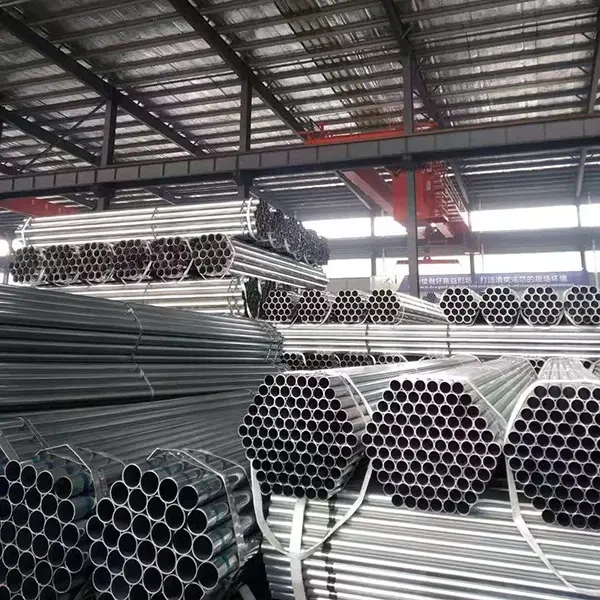
The primary material for steel pipe railing is typically carbon steel (ASTM A53 Grade B, or similar), stainless steel (304/316 grades being common), or galvanized steel (ASTM A123). Carbon steel offers high strength and affordability, but requires protective coatings to prevent corrosion. Stainless steel provides superior corrosion resistance due to its chromium content, forming a passive oxide layer. Galvanized steel utilizes a zinc coating for sacrificial corrosion protection. Manufacturing processes generally involve seamless or welded pipe production. Seamless pipes, formed by piercing solid billets, exhibit higher strength and are preferred for critical load-bearing applications. Welded pipes, produced by rolling and welding steel plates, are more cost-effective but require rigorous weld inspection and quality control. Post-fabrication, processes like cutting, bending, welding, and finishing (painting, powder coating, polishing) are employed. Key parameter control during welding includes maintaining appropriate heat input, shielding gas composition (argon or argon/CO2 mixtures), and ensuring complete fusion and penetration. Surface preparation before coating is crucial for adhesion and longevity; this typically involves abrasive blasting to achieve a specific surface profile (Sa 2.5 per ISO 8504-1).
Performance & Engineering
Performance of steel pipe railing is governed by several engineering principles. Force analysis considers axial loading, bending moments, and shear stresses induced by impact or sustained loads. Railing systems are designed to withstand prescribed loads as per building codes (IBC, UBC, etc.). Environmental resistance is paramount, particularly regarding corrosion. Chloride-induced corrosion is a significant concern in marine environments, necessitating the use of higher alloy stainless steels or robust coating systems. Galvanic corrosion can occur when dissimilar metals are in contact; careful material selection and isolation techniques are required. Compliance requirements dictate minimum height, infill spacing, and load-bearing capacity. Finite Element Analysis (FEA) is frequently used to model railing behavior under various load scenarios and optimize design for strength and deflection. The connection points between railing components (pipe-to-post, post-to-foundation) are critical and require careful design to ensure adequate strength and prevent failure. Proper bracing and anchorage are essential for maintaining structural integrity.
Technical Specifications
| Parameter | Carbon Steel (A53 Grade B) | Stainless Steel (304) | Galvanized Steel (A123) |
|---|---|---|---|
| Yield Strength (MPa) | 250 | 205 | 250 |
| Tensile Strength (MPa) | 370 | 515 | 370 |
| Corrosion Resistance | Low (Requires Coating) | High | Moderate |
| Weldability | Good | Excellent | Good |
| Typical Wall Thickness (mm) | 2.77 - 6.35 | 2.77 - 6.35 | 2.77 - 6.35 |
| Typical Outer Diameter (mm) | 38.1 - 114.3 | 38.1 - 114.3 | 38.1 - 114.3 |
Failure Mode & Maintenance
Common failure modes in steel pipe railing include corrosion-induced section loss, fatigue cracking at weld points, impact damage leading to bending or fracture, and foundation failure due to inadequate anchorage. Corrosion manifests as pitting, crevice corrosion, or uniform thinning of the steel. Fatigue cracking arises from cyclic loading, often exacerbated by stress concentrations at welds. Impact damage can cause localized deformation or complete failure. Maintenance strategies involve regular visual inspections for corrosion, cracks, and loose connections. Protective coatings should be inspected for damage and repaired promptly. Welded connections should be periodically inspected using Non-Destructive Testing (NDT) methods such as visual inspection, dye penetrant testing, or ultrasonic testing. For carbon steel railings, periodic repainting or recoating is essential. Stainless steel railings require cleaning to remove contaminants that can initiate pitting corrosion. Galvanized railings should be inspected for zinc coating degradation and repaired as needed. Replacing corroded or damaged components is crucial for maintaining structural integrity and preventing catastrophic failure. Proper drainage should be ensured to prevent water accumulation and accelerate corrosion.
Industry FAQ
Q: What is the primary difference between using carbon steel versus stainless steel for a railing application in a coastal environment?
A: In a coastal environment, the primary difference lies in corrosion resistance. Carbon steel, without substantial and ongoing protective coatings, will corrode rapidly due to the high salt concentration in the air. Stainless steel, particularly grade 316, offers significantly superior corrosion resistance due to its molybdenum content, which enhances its resistance to chloride pitting. While stainless steel has a higher upfront cost, the reduced maintenance and longer lifespan typically make it more cost-effective in the long run for coastal applications.
Q: How do building codes dictate the required load-bearing capacity of a railing system?
A: Building codes, such as the International Building Code (IBC), specify minimum load requirements for railing systems to ensure occupant safety. These requirements typically involve both a static load test (applying a concentrated load over a specified duration) and a dynamic load test (simulating impact forces). The code specifies the magnitude of these loads based on the intended use and occupancy of the space. Railing systems must be designed and tested to withstand these loads without failure or excessive deflection.
Q: What are the critical considerations for welding steel pipe railing, and what quality control measures are essential?
A: Critical considerations for welding include proper joint preparation (cleaning, beveling), selecting the appropriate welding process and filler metal, maintaining adequate shielding gas coverage, and controlling heat input. Essential quality control measures include visual inspection for defects (cracks, porosity, undercut), dimensional verification, and potentially Non-Destructive Testing (NDT) methods like dye penetrant testing or ultrasonic testing to detect subsurface flaws. All welding should be performed by certified welders following established welding procedures.
Q: How does the choice of coating affect the longevity of a carbon steel railing?
A: The choice of coating significantly impacts the longevity of a carbon steel railing. A properly applied and maintained coating acts as a barrier against corrosive elements. Common coatings include epoxy, polyurethane, and powder coating. Surface preparation is crucial; abrasive blasting to achieve a specific surface profile ensures good adhesion. Coating thickness, application method, and environmental conditions all influence performance. Regular inspection and repair of damaged coatings are essential to maintain protection.
Q: What is the role of galvanization in protecting steel pipe railing, and what are its limitations?
A: Galvanization provides sacrificial corrosion protection by coating the steel with a layer of zinc. The zinc corrodes preferentially, protecting the underlying steel. It's effective in many environments, but has limitations. Galvanized coatings can be damaged by impact or abrasion. Chloride ions can penetrate the zinc coating over time, leading to corrosion. Galvanic corrosion can occur if galvanized steel is in contact with dissimilar metals in a conductive environment. Maintaining the integrity of the zinc coating is vital for its effectiveness.
Conclusion
Steel pipe railing systems, while seemingly straightforward, involve a complex interplay of material science, manufacturing precision, and engineering principles. Achieving optimal performance demands careful consideration of environmental factors, load requirements, and relevant building codes. The selection of appropriate materials—carbon steel, stainless steel, or galvanized steel—must be aligned with the specific application and anticipated service life, factoring in the trade-offs between cost, corrosion resistance, and maintenance.
Future trends in steel pipe railing are likely to focus on enhanced corrosion protection through advanced coating technologies, the integration of smart sensors for structural health monitoring, and the development of more sustainable manufacturing processes. The industry will continue to prioritize safety, durability, and aesthetic appeal, driving innovation in designs and materials to meet the evolving demands of the built environment.
