
Apr . 01, 2024 17:55 Back to list
Aftermarket Oil Pressure Gauge how to install
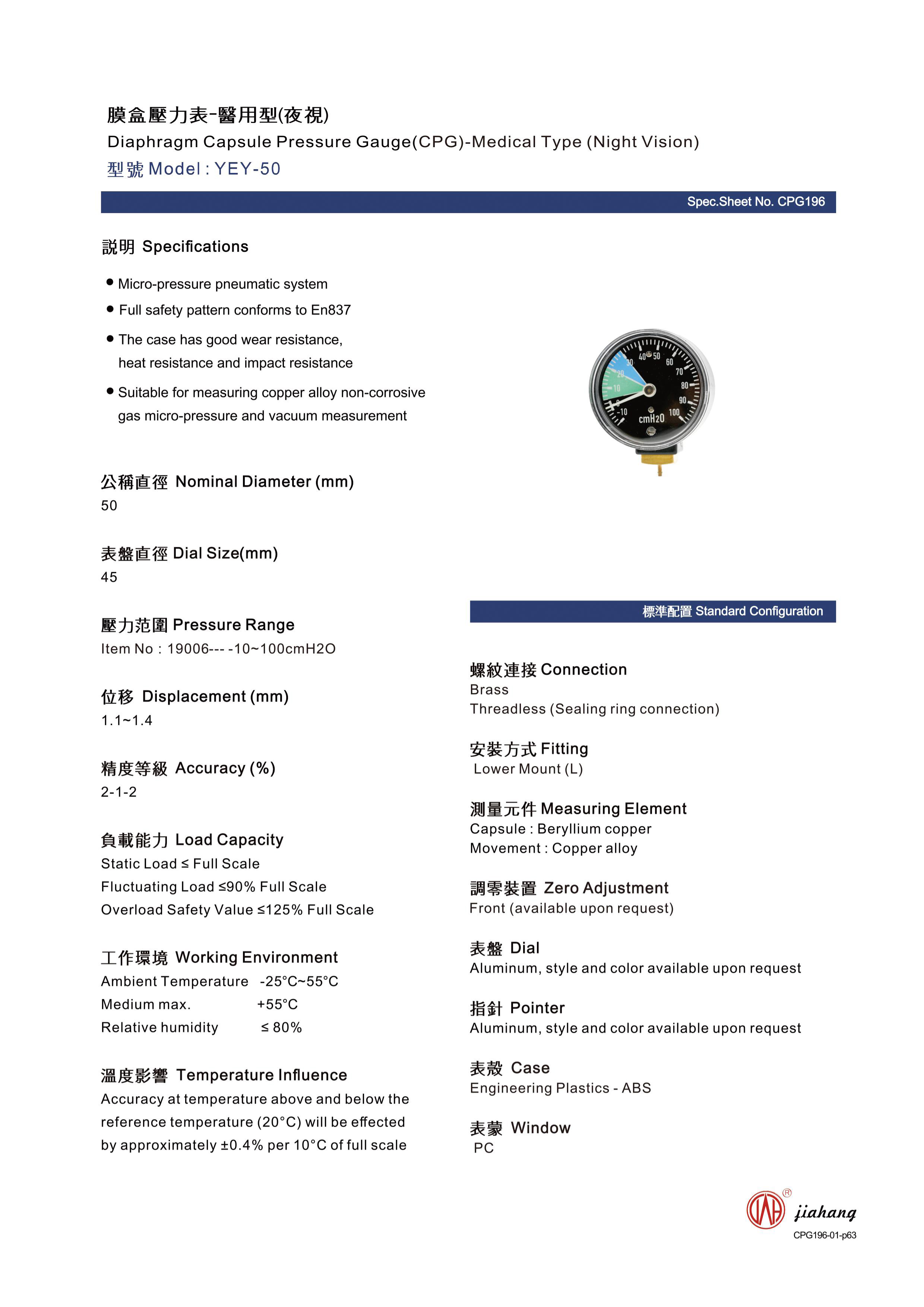
Introduction
An aftermarket oil pressure gauge provides a critical independent verification of the engine’s oiling system performance. Unlike the factory-installed warning lights which often indicate a critically low pressure event after damage has occurred, a dedicated gauge displays real-time oil pressure, allowing for proactive identification of potential issues such as failing oil pumps, worn engine bearings, or oil starvation during high-performance driving. This guide details the installation process, material considerations, performance implications, and maintenance requirements for aftermarket oil pressure gauges in internal combustion engines. The industry faces a constant challenge in balancing engine longevity with increased performance demands; accurate oil pressure monitoring is fundamental to achieving both. Proper installation is critical for accurate readings and avoids potential leaks or damage to the engine’s oiling system. The gauge’s accuracy is also contingent upon proper sender unit selection and calibration.
Material Science & Manufacturing
The core components of an aftermarket oil pressure gauge system comprise the gauge itself, the sending unit, and the connecting tubing. Gauge faces are commonly constructed from polycarbonate or acrylic, chosen for their clarity, impact resistance, and UV stability. The gauge housing is frequently manufactured from stainless steel or aluminum alloys, offering corrosion resistance and durability. Sending units are typically comprised of a bourdon tube – a curved, hollow metal tube that straightens under pressure. These tubes are usually manufactured from phosphor bronze or stainless steel, selected for their elastic properties and resistance to oil degradation. Connecting tubing is typically made from nylon, PTFE (Teflon), or braided stainless steel. Nylon offers flexibility and cost-effectiveness, PTFE provides exceptional chemical resistance, and stainless steel offers high pressure capability and durability. The manufacturing process for the sending unit involves precision bending and welding of the bourdon tube, followed by calibration against a known pressure standard. Tubing is extruded or braided and requires careful cutting and flaring to ensure leak-proof connections. The thread sealant used (typically PTFE tape or a liquid thread sealant compatible with petroleum products) is vital to a reliable seal. Parameter control during the manufacturing of the bourdon tube – specifically heat treatment – directly impacts the gauge's accuracy and linearity.
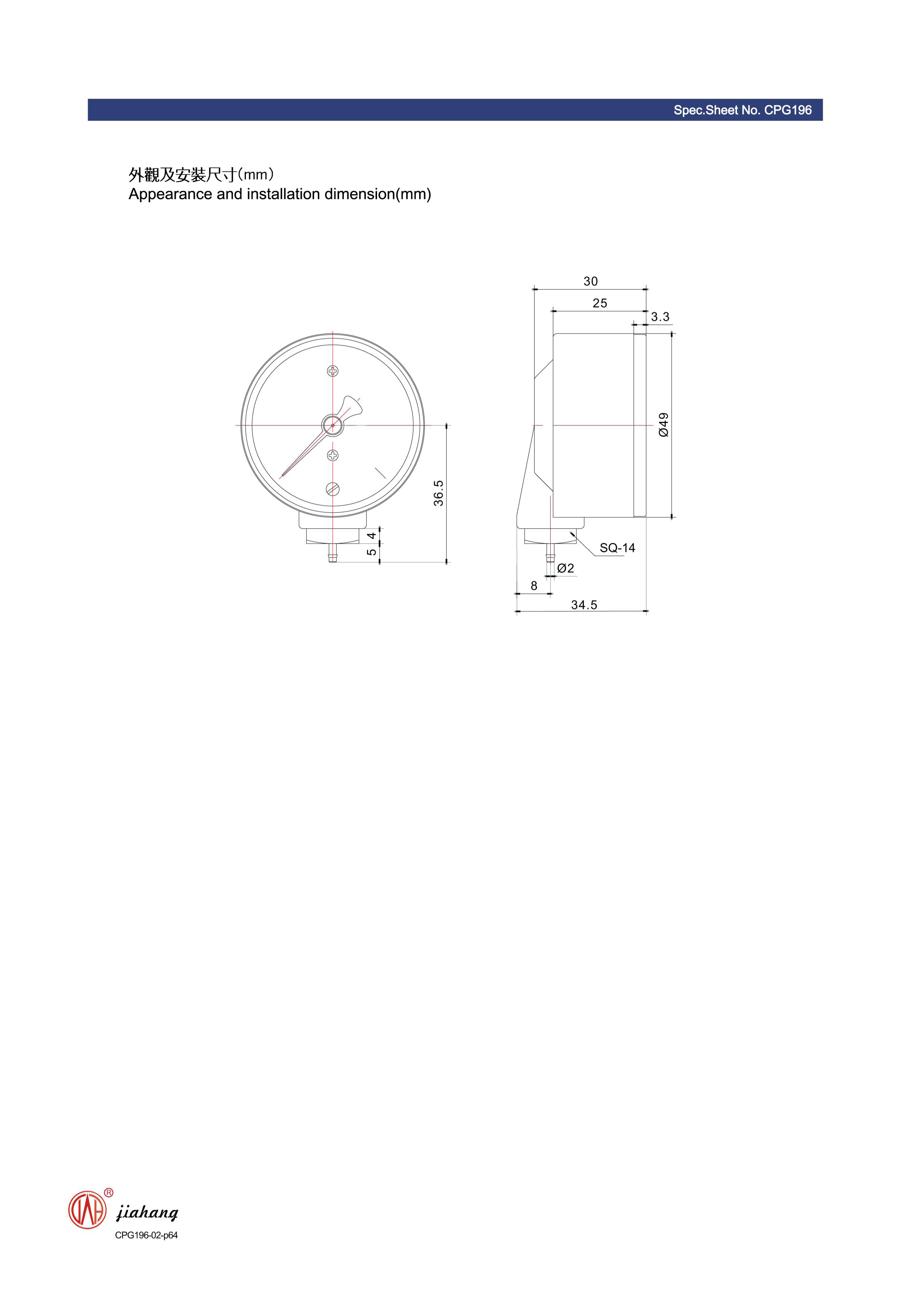
Performance & Engineering
The installation location of the sending unit is crucial for accurate readings. Ideally, the sending unit should be installed at a point in the oil system where the pressure is representative of the main gallery pressure, minimizing localized fluctuations. Common locations include the oil filter adapter or a dedicated port on the engine block. The gauge itself must be mounted in a location that provides clear visibility and minimizes vibration. Force analysis considerations include the pressure exerted by the oil on the sending unit’s bourdon tube, and the tensile strength of the connecting tubing. The tubing must be routed to avoid excessive bending or contact with hot engine components. Environmental resistance is also a key factor; the sending unit must be able to withstand the temperature fluctuations and exposure to oil, coolant, and road debris prevalent in the engine compartment. Compliance requirements depend on the vehicle's intended use (e.g., road legal, racing). Racing applications may require gauges that meet specific sanctioning body regulations. The gauge’s damping mechanism—typically a fluid-filled capsule—is engineered to mitigate needle oscillation caused by engine vibration and pressure pulsations, enhancing readability. The gauge’s electrical resistance, measured in ohms, varies with applied pressure; this signal is interpreted by the gauge to display the corresponding pressure value.
Technical Specifications
| Gauge Range (PSI) | Accuracy (% of Full Scale) | Sending Unit Thread Size (NPT) | Operating Temperature (°F) |
|---|---|---|---|
| 0-100 PSI | ±2% | 1/8" NPT | -40 to 250 |
| 0-150 PSI | ±2.5% | 1/4" NPT | -40 to 250 |
| 0-200 PSI | ±3% | 1/8" NPT | -40 to 250 |
| 0-300 PSI | ±3.5% | 1/4" NPT | -40 to 250 |
| Voltage Requirement (VDC) | Resistance Range (Ohms) | Tubing Material | Maximum Pressure (PSI) |
| 12/24 | 0-30 / 30-240 | Braided Stainless Steel | 500 |
Failure Mode & Maintenance
Common failure modes for aftermarket oil pressure gauges include sender unit failure (due to fatigue cracking of the bourdon tube or corrosion of internal components), tubing leaks (caused by improper installation or damage), and gauge malfunction (resulting from internal component failure or electrical issues). Fatigue cracking in the bourdon tube is often initiated by repeated pressure cycles and exacerbated by corrosion. Leaks typically occur at the threaded connections between the sending unit, tubing, and gauge. Gauge malfunction can manifest as inaccurate readings, erratic needle movement, or complete failure. Degradation of the tubing material, especially nylon, can occur due to prolonged exposure to high temperatures and oil. Oxidation of electrical connectors can lead to intermittent or complete loss of signal. Preventative maintenance includes periodic visual inspection of the tubing for cracks or leaks, tightening of connections, and cleaning of electrical connectors. Calibration should be performed periodically (e.g., annually) using a calibrated pressure source. If a leak is detected, the affected component should be replaced immediately. Sender units should be replaced if they exhibit signs of corrosion or erratic readings. Avoid over-tightening connections, as this can damage the threads and cause leaks.
Industry FAQ
Q: What is the difference between mechanical and electrical oil pressure gauges?
A: Mechanical gauges utilize a physical connection (typically a copper tube) directly to the engine’s oil system, relying on mechanical pressure transmission. Electrical gauges use a sending unit to convert pressure into an electrical signal, which is then transmitted to the gauge. Mechanical gauges generally offer higher accuracy but are more susceptible to leaks and vibration. Electrical gauges are more flexible in terms of mounting location and are less prone to vibration-induced errors.
Q: How do I choose the correct sending unit for my application?
A: The sending unit must have the correct thread size to match the port on your engine. It's also crucial to select a sending unit with a pressure range that is appropriate for your engine’s typical oil pressure. Using a sending unit with an insufficient range will result in inaccurate readings at high pressures.
Q: What is the proper way to route the tubing from the sending unit to the gauge?
A: Route the tubing away from hot engine components, exhaust manifolds, and moving parts. Secure the tubing with clips or clamps to prevent chafing or kinking. Avoid sharp bends, as these can restrict flow and affect accuracy. Ensure adequate slack to allow for engine movement.
Q: My oil pressure gauge reading fluctuates significantly with engine RPM. Is this normal?
A: Some fluctuation is normal, especially with older engines or those with worn bearings. However, excessive fluctuation may indicate a problem with the oil pump, bearings, or sending unit. If the fluctuation is significant, further investigation is warranted.
Q: What type of thread sealant should I use when installing the sending unit?
A: Use a thread sealant specifically designed for use with petroleum products, such as PTFE tape or a liquid thread sealant. Avoid using sealants that contain silicone, as they can contaminate the oil system.
Conclusion
The installation of an aftermarket oil pressure gauge is a vital step in proactive engine monitoring, providing real-time data unavailable from standard warning systems. Successful installation demands careful attention to material selection – prioritizing corrosion resistance and pressure compatibility – and meticulous adherence to proper routing and sealing techniques. The precision of the bourdon tube and the accuracy of the calibration process are fundamental to reliable performance.
Ultimately, consistent monitoring and preventative maintenance, guided by the insights provided by the oil pressure gauge, are key to maximizing engine longevity and performance. Ignoring fluctuations or unusual readings can lead to catastrophic engine failure. This guide provides a foundation for informed installation and maintenance practices, ensuring accurate readings and a proactive approach to engine health.
 English
  Arabic
  China
China  China (Taiwan)
  Danish
  Dutch
Dutch  French
  German
  Greek
Greek  Hindi
Hindi  Indonesian
  Italian
  Japanese
  Korean
  Latin
Latin  Polish
  Portuguese
  Russian
  Spanish
  Turkish