
Apr . 01, 2024 17:55 Back to list
Fuel Pressure Gauge how to use a fuel pressure gauge Performance Analysis
Introduction
A fuel pressure gauge is a critical diagnostic tool utilized in automotive and powersports maintenance to assess the functionality of a fuel delivery system. Its primary function is to measure the pressure exerted by the fuel pump, ensuring that the engine receives fuel within the manufacturer’s specified parameters. Deviations from these parameters can indicate various issues, including a failing fuel pump, a clogged fuel filter, a faulty pressure regulator, or fuel line restrictions. This guide provides a comprehensive overview of fuel pressure gauge operation, encompassing material science, manufacturing considerations, performance analysis, common failure modes, and relevant industry standards. Proper utilization of this gauge is paramount for efficient engine performance, fuel economy, and emissions control. The gauge’s accurate reading is integral to troubleshooting issues related to starting problems, poor acceleration, and overall engine inefficiency, making it a fundamental tool for professional mechanics and informed DIY enthusiasts alike.
Material Science & Manufacturing
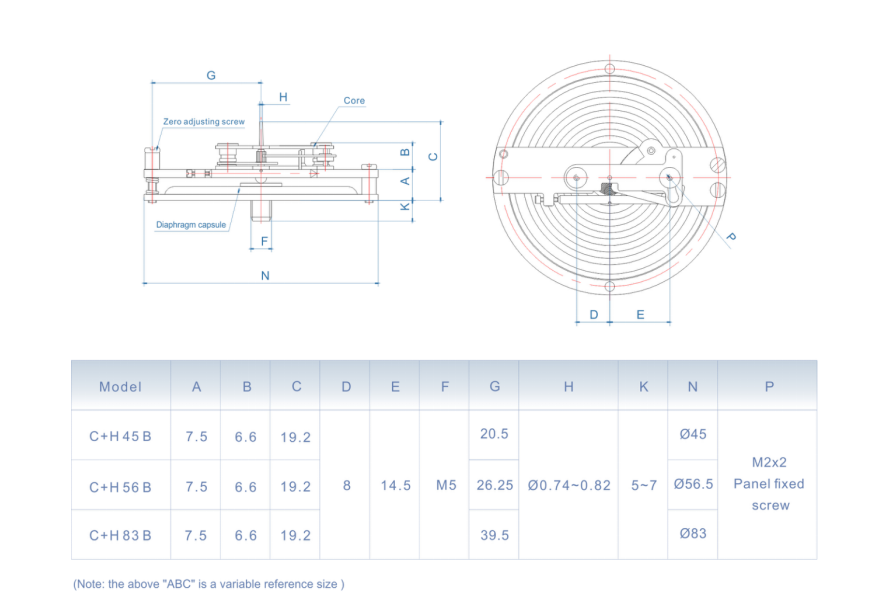
Fuel pressure gauges commonly employ a Bourdon tube as the primary sensing element. These tubes are typically manufactured from beryllium copper or stainless steel alloys, selected for their high elasticity, corrosion resistance, and ability to withstand repeated pressure cycling. The manufacturing process for the Bourdon tube involves meticulous cold-forming techniques to achieve the desired C-shape. Critical parameters during forming include precise bending radii and wall thickness uniformity, as these directly influence accuracy and linearity. The gauge housing is frequently constructed from impact-resistant polymers or aluminum alloys, offering protection against environmental factors and physical damage. Diaphragm gauges, less common but gaining traction, utilize silicon-based diaphragms coated with piezoresistive sensors. The manufacturing of these diaphragms requires micro-electromechanical systems (MEMS) fabrication techniques, involving etching, deposition, and doping processes. The connection fittings, typically made from brass or stainless steel, require precision machining to ensure leak-proof connections to the fuel system. The sealing materials, crucial for preventing fuel leakage, often comprise nitrile rubber (NBR) or Viton (fluoroelastomer), selected based on their compatibility with various fuel types, including gasoline, diesel, and ethanol blends. Quality control during manufacturing focuses on pressure testing, leak detection, and dimensional accuracy, adhering to strict tolerances to guarantee reliable performance.
Performance & Engineering
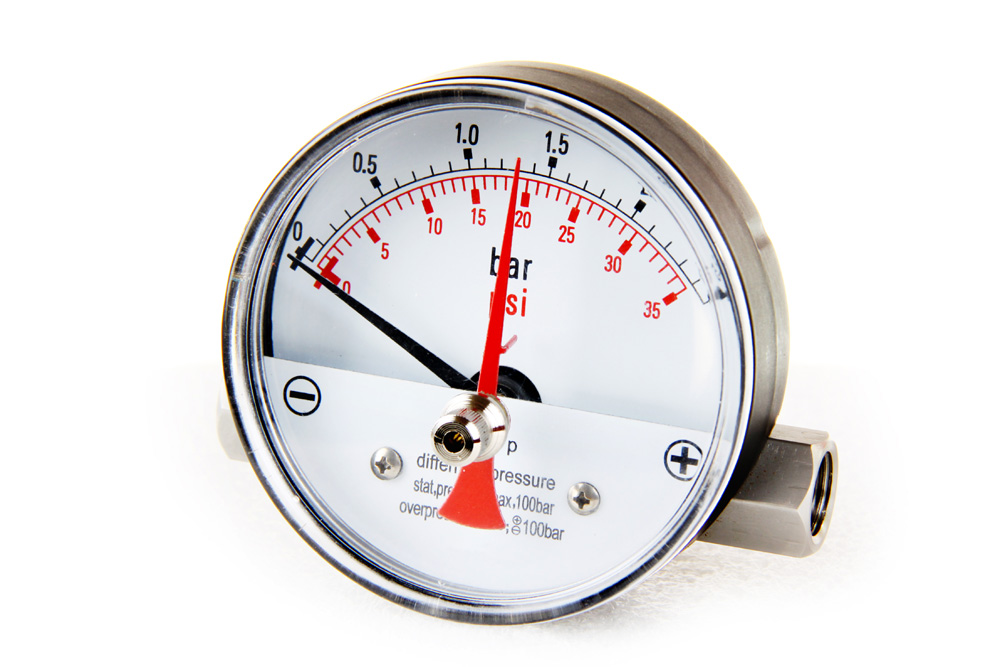
The performance of a fuel pressure gauge is governed by several key engineering principles. Accuracy, defined as the deviation between the indicated pressure and the actual pressure, is paramount. Calibration, typically performed using NIST-traceable pressure standards, is essential to maintain accuracy. Linearity refers to the gauge's ability to provide a consistent output signal across its entire pressure range. Hysteresis, the difference in readings between increasing and decreasing pressure, should be minimized to ensure repeatability. The gauge’s response time, the time taken to register a pressure change, is crucial for capturing transient pressure fluctuations. Engineering analysis focuses on the stress-strain relationship of the Bourdon tube or diaphragm under pressure, utilizing finite element analysis (FEA) to optimize the design for durability and accuracy. The gauge must withstand significant pressure spikes and vibrations inherent in automotive environments. Environmental resistance is another critical factor; the gauge must operate reliably across a wide temperature range and resist corrosion from fuel exposure. The connection threads must meet SAE standards for compatibility and sealing integrity. Furthermore, the gauge’s display (analog or digital) needs to be easily readable under varying lighting conditions. The gauge's performance directly impacts diagnostic accuracy, influencing the efficiency of fuel system repairs and maintenance.
Technical Specifications
| Pressure Range (PSI) | Accuracy (% of Full Scale) | Resolution (PSI) | Operating Temperature (°F) |
|---|---|---|---|
| 0-100 | ±2% | 1 | -20 to 150 |
| 0-150 | ±2.5% | 1 | -20 to 180 |
| 0-300 | ±3% | 2 | -20 to 200 |
| 0-600 | ±3.5% | 5 | -10 to 220 |
| 0-1000 | ±4% | 10 | -10 to 240 |
| 0-2000 | ±5% | 20 | 0 to 250 |
Failure Mode & Maintenance
Fuel pressure gauges can experience several failure modes. Common issues include Bourdon tube rupture due to overpressure, corrosion of internal components from prolonged fuel exposure, and damage to the diaphragm in diaphragm-type gauges. Leaks are frequent, often originating from damaged O-rings or corroded fittings. Display malfunctions, such as inaccurate readings or complete failure, can result from sensor drift or electronic component failure. A common failure analysis reveals that repeated pressure cycling can lead to metal fatigue in the Bourdon tube, causing hairline cracks and eventual rupture. Improper storage, particularly in humid environments, can accelerate corrosion. Maintenance primarily involves regular visual inspection for leaks, ensuring clean and secure connections, and periodic calibration to verify accuracy. Avoid exceeding the gauge’s maximum pressure rating. When storing the gauge, protect it from extreme temperatures and moisture. For digital gauges, replace batteries as needed. If a leak is detected, immediately discontinue use and replace the affected components (O-rings, fittings). Calibration should be performed annually, or more frequently if the gauge is used extensively. A preventative maintenance schedule will extend the lifespan and ensure reliable operation of the fuel pressure gauge.
Industry FAQ
Q: What is the acceptable fuel pressure range for a typical gasoline engine?
A: The acceptable fuel pressure range for a typical gasoline engine varies depending on the fuel injection system. For a return-style system, it's usually between 30-45 PSI. For a returnless system, it is often between 58-65 PSI. Refer to the vehicle’s service manual for the precise specifications.
Q: How do I interpret a consistently low fuel pressure reading?
A: A consistently low fuel pressure reading typically indicates a problem with the fuel pump, fuel filter, pressure regulator, or a fuel line restriction. A weak fuel pump may not be delivering sufficient pressure. A clogged fuel filter restricts fuel flow. A faulty pressure regulator cannot maintain the correct pressure. A restricted fuel line impedes fuel delivery.
Q: What safety precautions should I take when using a fuel pressure gauge?
A: Fuel is highly flammable. Always work in a well-ventilated area, away from open flames or ignition sources. Wear safety glasses and gloves. Depressurize the fuel system before disconnecting any fuel lines. Properly dispose of any spilled fuel. Never point a fuel line directly at yourself or others.
Q: Can a fuel pressure gauge be used to diagnose problems with diesel fuel systems?
A: Yes, fuel pressure gauges are also used to diagnose diesel fuel systems. However, diesel systems typically operate at significantly higher pressures than gasoline systems. Ensure that the gauge is rated for the higher pressure range of the diesel system (often exceeding 3000 PSI). Different diagnostic strategies apply for diesel systems, focusing on high-pressure pump performance and injector functionality.
Q: What's the difference between a static and a dynamic fuel pressure test?
A: A static test measures fuel pressure with the engine off. It checks for leaks or a faulty pressure regulator. A dynamic test measures fuel pressure while the engine is running, providing insight into fuel pump performance under load and the overall fuel delivery system's ability to maintain pressure during engine operation.
Conclusion
The fuel pressure gauge remains an indispensable tool for diagnosing and maintaining fuel delivery systems in both gasoline and diesel engines. Understanding its underlying principles – from the material science of its construction to the engineering considerations governing its accuracy and reliability – is crucial for effective utilization. By adhering to proper maintenance procedures, recognizing common failure modes, and interpreting readings within the context of established industry standards, technicians and enthusiasts alike can maximize the gauge’s lifespan and ensure accurate diagnoses.
Advancements in fuel injection technology and the increasing complexity of fuel systems necessitate continuous improvement in gauge design and calibration techniques. Future iterations may incorporate wireless connectivity for real-time data logging and analysis, alongside enhanced sensors for greater accuracy and responsiveness. Proper training and adherence to safety protocols remain paramount to prevent accidents and ensure the integrity of the diagnostic process. The ability to accurately assess fuel pressure remains fundamental to optimizing engine performance, fuel efficiency, and emissions control.
 English
  Arabic
  China
China  China (Taiwan)
  Danish
  Dutch
Dutch  French
  German
  Greek
Greek  Hindi
Hindi  Indonesian
  Italian
  Japanese
  Korean
  Latin
Latin  Polish
  Portuguese
  Russian
  Spanish
  Turkish