
Apr . 01, 2024 17:55 Back to list
Gas Station Tire Pressure Gauge Performance Analysis
Introduction
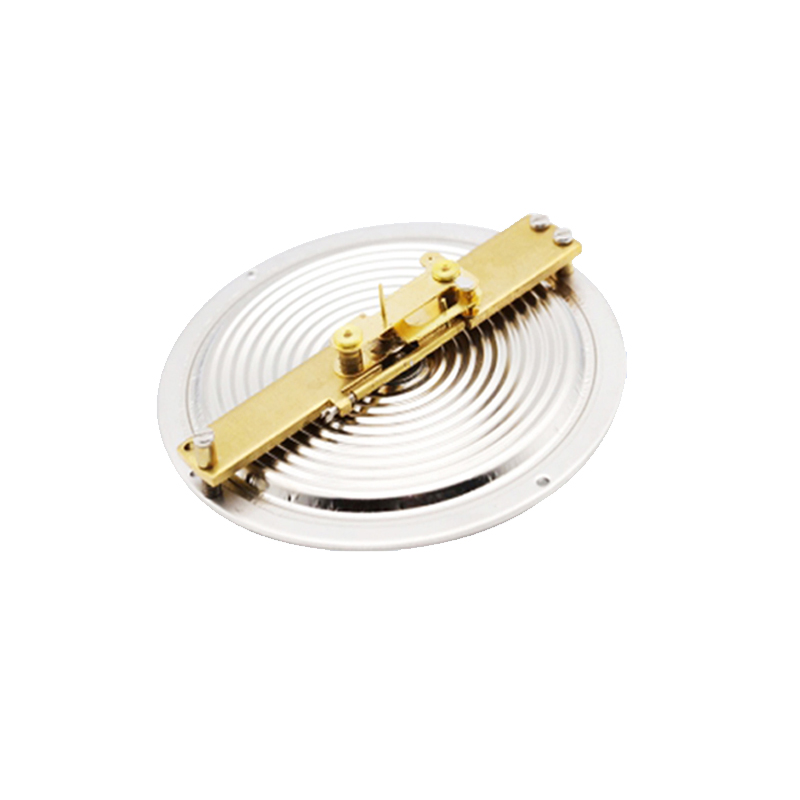
Tire pressure gauges, commonly found at gas stations, are essential tools for maintaining optimal vehicle tire inflation. These devices measure the pressure within a tire, typically expressed in pounds per square inch (PSI) or bar, enabling drivers to ensure tires operate within the manufacturer’s recommended range. Their prevalence at fueling stations reflects a critical safety and efficiency function: underinflated tires increase rolling resistance, leading to decreased fuel economy and accelerated tire wear, while overinflated tires compromise ride quality and handling, potentially leading to uneven wear and increased risk of tire failure. Gas station gauges represent a readily accessible, though often less precise, alternative to digital gauges or those integrated into vehicle dashboard systems. This guide will delve into the material science, manufacturing, performance characteristics, failure modes, and applicable standards associated with these ubiquitous pressure measurement devices.
Material Science & Manufacturing
The majority of gas station tire pressure gauges utilize a combination of ferrous metals (steel, stainless steel), brass, and polymeric materials. The gauge housing is typically constructed from plated steel or zinc alloy for corrosion resistance and durability. The internal mechanism relies on a Bourdon tube – a curved, flattened tube that straightens proportionally to the pressure applied. Bourdon tubes are commonly manufactured from spring steel, a high-carbon steel alloy exhibiting excellent elasticity. The internal components, including the spring and linkages, are often crafted from brass for its corrosion resistance and machinability. The dial face is commonly made from ABS plastic, offering a balance of impact resistance and cost-effectiveness. Manufacturing involves several key steps: Bourdon Tube Forming: Steel strip is formed into a curved tube through processes like bending and welding. Precise heat treatment is critical to establish the required spring characteristics. Assembly: The Bourdon tube is connected to the gauge movement, a mechanical linkage that translates tube deformation into pointer deflection. Calibration: Each gauge undergoes calibration against a known pressure standard, often using a precision pressure calibrator. This process ensures accuracy within specified tolerances. Housing & Dial Installation: The calibrated movement is assembled into the housing, and the dial face is installed. Key parameter control involves meticulous monitoring of material composition, heat treatment temperatures for the Bourdon tube, and precise alignment of the mechanical linkages during assembly. Manufacturing tolerances directly impact gauge accuracy and repeatability. The rubber boot often found on the gauge head is typically EPDM rubber, chosen for its resistance to oil, ozone, and weathering.
Performance & Engineering
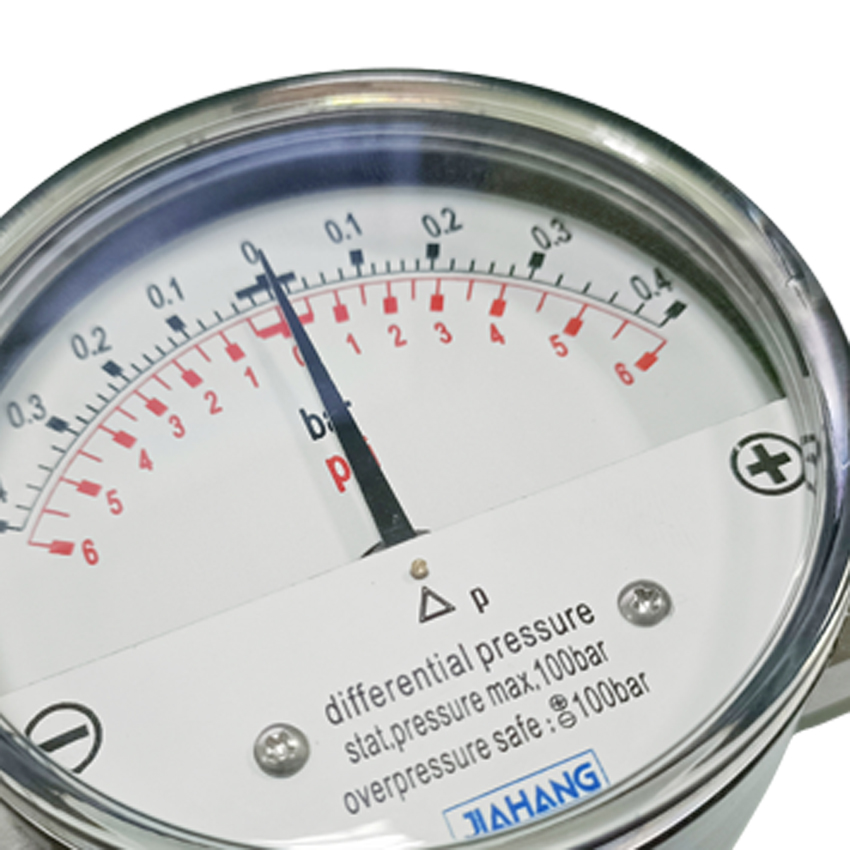
The performance of a gas station tire pressure gauge is fundamentally governed by the principle of elastic deformation. The Bourdon tube, acting as a primary sensing element, experiences stress proportional to the applied tire pressure. This stress induces strain, causing the tube to straighten. The magnitude of deformation is directly correlated to the pressure, allowing for accurate measurement. Force analysis focuses on the relationship between applied pressure (F/A, where F is force and A is area) and the resulting displacement of the Bourdon tube. Engineering considerations include minimizing hysteresis – the difference in readings between increasing and decreasing pressure – through careful material selection and precise manufacturing. Environmental resistance is crucial; gauges are exposed to temperature fluctuations, humidity, and potential contamination from road debris. Materials selection (stainless steel for the Bourdon tube, for example) mitigates corrosion. Compliance requirements, while not stringent for these basic devices, relate to accuracy standards defined by organizations like NIST (National Institute of Standards and Technology). Functional implementation involves ensuring a robust mechanical linkage between the Bourdon tube and the dial pointer, minimizing friction and backlash for reliable readings. The chuck – the end of the gauge that interfaces with the tire valve – must create a tight seal to prevent air leakage during measurement. Materials used in the chuck (typically rubber or nitrile) must maintain elasticity and resist degradation from contact with tire valve materials.
Technical Specifications
| Parameter | Typical Value | Accuracy | Operating Temperature Range |
|---|---|---|---|
| Pressure Range | 0-60 PSI (0-4.14 Bar) | ±2 PSI (±0.14 Bar) | -20°C to 60°C (-4°F to 140°F) |
| Bourdon Tube Material | Spring Steel (e.g., SAE 1095) | Elastic Modulus: 200-210 GPa | Thermal Expansion Coefficient: 12 x 10-6 /°C |
| Housing Material | Plated Steel / Zinc Alloy | Corrosion Resistance: Salt Spray Test > 24 hours | Impact Resistance: >5 J |
| Dial Face Material | ABS Plastic | UV Resistance: >500 hours (ASTM D4459) | Tensile Strength: >30 MPa |
| Chuck Material | Nitrile Rubber / EPDM Rubber | Hardness: 60-70 Shore A | Oil Resistance: ASTM D471 |
| Gauge Weight | 50-100 grams | Dimensional Tolerance: ±1 mm | Storage Temperature Range: -30°C to 70°C (-22°F to 158°F) |
Failure Mode & Maintenance
Gas station tire pressure gauges are susceptible to several failure modes. Drift and Inaccuracy: Over time, the Bourdon tube can lose its elastic properties, leading to inaccurate readings. This is exacerbated by repeated flexing and exposure to extreme temperatures. Mechanical Linkage Failure: Wear and tear on the mechanical linkages can introduce backlash and reduce the gauge’s responsiveness. Chuck Leakage: The rubber chuck can crack or deteriorate, resulting in air leakage during measurement and inaccurate readings. Corrosion: Exposure to moisture and road salts can cause corrosion of the steel housing and internal components. Dial Face Damage: The plastic dial face can become scratched, cracked, or faded, reducing readability. Maintenance primarily involves visual inspection for physical damage (cracks, leaks). Regular comparison with a known accurate gauge is crucial to identify drift or inaccuracy. Lubricating the mechanical linkages with a light oil can minimize friction and improve responsiveness. Avoid dropping the gauge, as this can damage the internal mechanism. If the chuck is damaged, the gauge should be replaced. Preventive measures include storing the gauge in a clean, dry environment when not in use. Calibration checks are not typically performed on these gauges due to their low cost and the availability of more precise digital alternatives.
Industry FAQ
Q: What is the typical accuracy of a gas station tire pressure gauge and is it sufficient for reliable tire maintenance?
A: Typical accuracy is ±2 PSI. While adequate for a general check, it’s not precise enough for motorsport or high-performance applications. For critical applications, a digital gauge with ±0.5 PSI accuracy is recommended. Gas station gauges are best used for identifying gross under- or over-inflation.
Q: How does temperature affect the readings on a gas station tire pressure gauge?
A: Temperature changes affect both the tire pressure and the gauge itself. Tire pressure increases with temperature and decreases with temperature. The gauge’s Bourdon tube also expands and contracts with temperature fluctuations, potentially introducing minor errors. It's best to check tire pressure when tires are 'cold' – before driving or after being parked for several hours.
Q: What materials are most susceptible to failure in these gauges and why?
A: The rubber chuck is the most susceptible due to UV degradation, ozone cracking, and contact with tire compounds. The Bourdon tube can fail due to fatigue from repeated flexing and corrosion. The mechanical linkage can wear over time, affecting accuracy.
Q: Are gas station tire pressure gauges calibrated, and how often should they be recalibrated?
A: While gauges are initially calibrated during manufacturing, they are rarely recalibrated. Due to their low cost, replacement is typically more economical than recalibration. We recommend comparing the readings to a known accurate gauge periodically.
Q: What is the significance of the Bourdon tube material in the gauge's performance?
A: The Bourdon tube material – typically spring steel – dictates the gauge's elasticity, hysteresis, and corrosion resistance. Higher-quality spring steel offers better elasticity and reduced hysteresis, leading to more accurate and repeatable readings. Stainless steel Bourdon tubes provide superior corrosion resistance.
Conclusion
Gas station tire pressure gauges represent a ubiquitous yet fundamentally simple technology. Their functionality relies on the precise elastic deformation of a Bourdon tube and a robust mechanical linkage. While offering a convenient means of checking tire inflation, their inherent limitations in accuracy necessitate a degree of caution in interpreting readings. Understanding the materials used in their construction, the manufacturing processes employed, and the potential failure modes is crucial for informed usage and maintenance.
Moving forward, the trend toward integrated tire pressure monitoring systems (TPMS) within vehicles will likely reduce reliance on these standalone gauges. However, their accessibility and low cost ensure they will remain a common sight at gas stations for the foreseeable future. Continued advancements in material science and manufacturing techniques could potentially lead to more durable and accurate gas station gauges, but the economic constraints will likely limit their complexity and precision.
 English
  Arabic
  China
China  China (Taiwan)
  Danish
  Dutch
Dutch  French
  German
  Greek
Greek  Hindi
Hindi  Indonesian
  Italian
  Japanese
  Korean
  Latin
Latin  Polish
  Portuguese
  Russian
  Spanish
  Turkish