
Apr . 01, 2024 17:55 Back to list
Gas Station Tire Pressure Gauge Performance Analysis

Introduction
Gas station tire pressure gauges are ubiquitous tools utilized for verifying and adjusting tire inflation levels. These devices represent a critical element in vehicle maintenance, directly impacting fuel efficiency, tire longevity, and vehicle safety. While seemingly simple, the gauges employed at gas stations vary considerably in their design, accuracy, and underlying technology. This guide will provide a comprehensive overview of gas station tire pressure gauges, encompassing their material science, manufacturing processes, performance characteristics, failure modes, and relevant industry standards. Understanding these aspects is crucial for procurement managers, maintenance engineers, and automotive professionals tasked with ensuring optimal tire performance and safety.
Material Science & Manufacturing
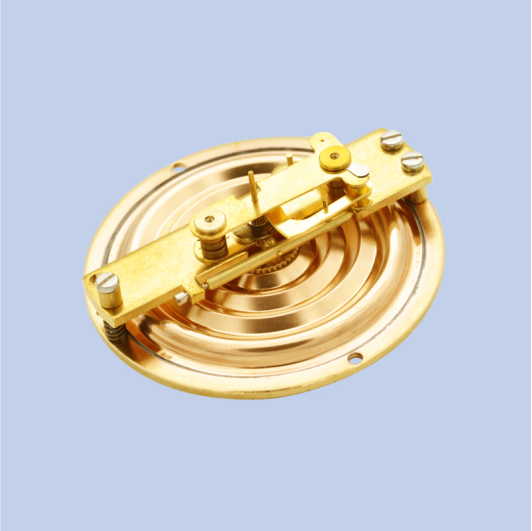
The construction of gas station tire pressure gauges typically involves a combination of materials chosen for durability, corrosion resistance, and precision. The gauge body is frequently manufactured from stainless steel (304 or 316 grade) or brass alloys, selected for their resistance to environmental degradation and mechanical stress. The sensing element – the Bourdon tube or digital pressure sensor – is the critical component dictating accuracy. Bourdon tubes are commonly crafted from beryllium copper or spring steel, materials possessing high elasticity and fatigue resistance. Digital sensors utilize silicon-based piezoresistive transducers. The gauge face is typically constructed from polycarbonate or acrylic, offering impact resistance and clarity. Manufacturing processes vary depending on the gauge type. Analog gauges involve the precise bending and heat treating of the Bourdon tube, followed by calibration against a NIST-traceable standard. Digital gauges necessitate surface mount technology (SMT) for sensor integration and microcontroller programming. Critical parameters during manufacturing include dimensional tolerances on the Bourdon tube (for analog gauges) and sensor calibration (for digital gauges). Quality control procedures involve leak testing, pressure cycle testing, and accuracy verification at multiple pressure points.
Performance & Engineering
The performance of a tire pressure gauge is dictated by its accuracy, repeatability, and response time. Accuracy, expressed as a percentage of full scale or as an absolute pressure deviation, is paramount. Engineering considerations revolve around minimizing hysteresis (the difference in readings when approaching a pressure from above vs. below) and ensuring linearity. The Bourdon tube’s geometry directly impacts its sensitivity and linearity; meticulous design and manufacturing are essential. Digital gauges rely on analog-to-digital conversion (ADC) accuracy and signal conditioning circuitry to achieve precise readings. Environmental factors also play a significant role. Temperature fluctuations can affect the elasticity of the Bourdon tube and the calibration of the sensor. Gas station gauges are typically designed to operate within a specified temperature range (-20°C to 60°C). Corrosion resistance is another critical factor, particularly in environments exposed to road salt and moisture. The gauge’s housing must effectively seal the internal components to prevent contamination. Compliance requirements often mandate adherence to specific accuracy standards and the use of appropriate units of measurement (PSI, kPa, BAR). Force analysis is critical in designing the gauge housing and connection fitting to withstand repeated use and prevent leaks.
Technical Specifications
| Pressure Range (PSI) | Accuracy (% of Full Scale) | Resolution (PSI) | Operating Temperature (°C) |
|---|---|---|---|
| 0-60 PSI | ±3% | 1 PSI | -20 to 60 |
| 0-100 PSI | ±2.5% | 0.5 PSI | -10 to 50 |
| 0-150 PSI | ±3% | 1 PSI | -20 to 60 |
| 0-200 PSI | ±3.5% | 2 PSI | -10 to 50 |
| 0-250 PSI | ±4% | 2.5 PSI | -20 to 60 |
| 0-300 PSI | ±4% | 5 PSI | -10 to 50 |
Failure Mode & Maintenance
Gas station tire pressure gauges are susceptible to several failure modes. Analog gauges can experience Bourdon tube fatigue leading to inaccurate readings or complete failure. Corrosion of internal components can cause leaks and malfunction. Digital gauges can fail due to battery depletion, sensor drift, or damage to the electronic circuitry. Common failure symptoms include stuck needles, erratic readings, and inability to hold pressure. Failure analysis often reveals the root cause to be mechanical stress, corrosion, or electrical component failure. Maintenance is relatively simple but crucial. Regular visual inspection for physical damage (cracked housings, bent needles) is recommended. Digital gauges should have their batteries replaced periodically. Calibration against a known standard should be performed annually, or more frequently in high-use environments. Avoid dropping or subjecting the gauge to excessive shock. Cleaning with a mild detergent and water is acceptable; avoid abrasive cleaners that can damage the gauge face. Proper storage in a clean, dry environment will extend the gauge’s lifespan.
Industry FAQ
Q: What is the typical lifespan of a gas station tire pressure gauge?
A: The lifespan varies significantly based on usage and quality. A well-maintained analog gauge can last 5-10 years. Digital gauges typically have a shorter lifespan (3-5 years) due to battery reliance and electronic component aging. Regular calibration extends the lifespan of both types.
Q: What are the limitations of the free air pumps at gas stations in terms of gauge accuracy?
A: Free air pumps are often subject to significant inaccuracies. The gauges are frequently exposed to abuse, temperature fluctuations, and lack regular calibration. Accuracy can deviate by 5-10 PSI, or even more, rendering them unreliable for precise inflation.
Q: How do digital tire pressure gauges compare to analog gauges in terms of accuracy and reliability?
A: Digital gauges generally offer higher accuracy and better repeatability than analog gauges, particularly when recently calibrated. However, they are more susceptible to electrical failures and battery depletion. Analog gauges are more robust mechanically but require more frequent calibration.
Q: What materials are most resistant to corrosion in a gas station environment?
A: Stainless steel (316 grade) and certain brass alloys exhibit excellent corrosion resistance. Protective coatings (e.g., epoxy) can also enhance resistance to road salt and moisture. Regular cleaning and maintenance are essential regardless of the material.
Q: What certifications or standards should a high-quality tire pressure gauge meet?
A: Compliance with ANSI B40.1 (for analog gauges) and relevant EMC standards (for digital gauges) is indicative of quality. Traceability to NIST standards for calibration is also crucial. Look for gauges that have undergone independent verification of their accuracy.
Conclusion
Gas station tire pressure gauges are essential tools for maintaining optimal vehicle tire health and safety. Their accuracy, reliability, and longevity are dictated by a complex interplay of material science, manufacturing processes, and environmental factors. Understanding the potential failure modes and implementing routine maintenance procedures are critical for ensuring consistent performance. While digital gauges generally offer superior accuracy, analog gauges remain a viable option for less demanding applications.
Procurement managers should prioritize gauges that meet relevant industry standards and undergo regular calibration. Investing in higher-quality gauges with corrosion-resistant materials will minimize downtime and ensure accurate readings over the long term. Continued advancements in sensor technology and manufacturing techniques are expected to further improve the performance and reliability of these vital instruments.
 English
  Arabic
  China
China  China (Taiwan)
  Danish
  Dutch
Dutch  French
  German
  Greek
Greek  Hindi
Hindi  Indonesian
  Italian
  Japanese
  Korean
  Latin
Latin  Polish
  Portuguese
  Russian
  Spanish
  Turkish