
Apr . 01, 2024 17:55 Back to list
Gauge Pressure What is the gauge pressure Performance Analysis
Introduction
Gauge pressure is a measure of pressure relative to atmospheric pressure. Unlike absolute pressure, which uses a perfect vacuum as a reference point, gauge pressure uses the current atmospheric pressure as zero. This makes it particularly relevant in industrial applications where understanding pressure differences is crucial for process control, safety systems, and equipment performance. It is widely employed in fluid power systems (hydraulic and pneumatic), process industries such as chemical processing and oil & gas, and instrumentation. The core performance characteristic of a gauge pressure measurement lies in its ability to accurately represent the force exerted by a fluid (liquid or gas) against a surface, independent of external atmospheric conditions. The accuracy and reliability of gauge pressure measurements are fundamental to ensuring operational integrity and preventing catastrophic failures in various industrial settings. The primary industry pain points surrounding gauge pressure relate to sensor drift, calibration complexities, material compatibility with process fluids, and selecting the appropriate range for a given application.
Material Science & Manufacturing
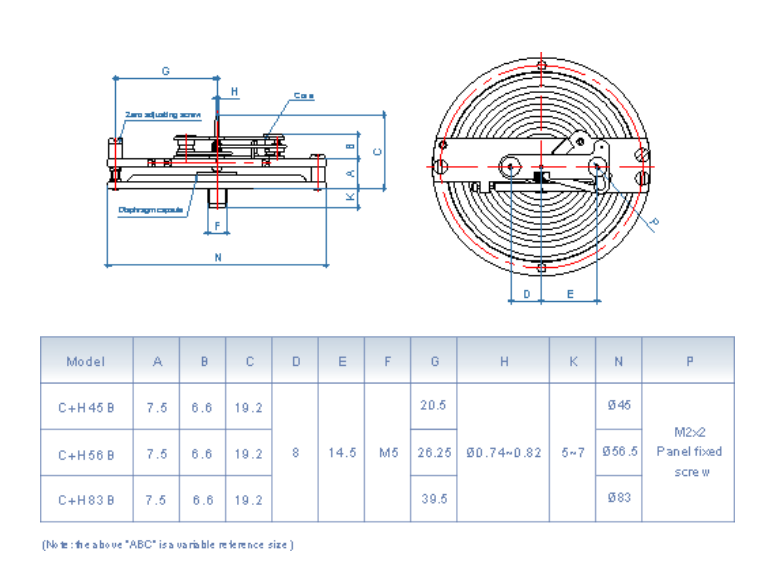
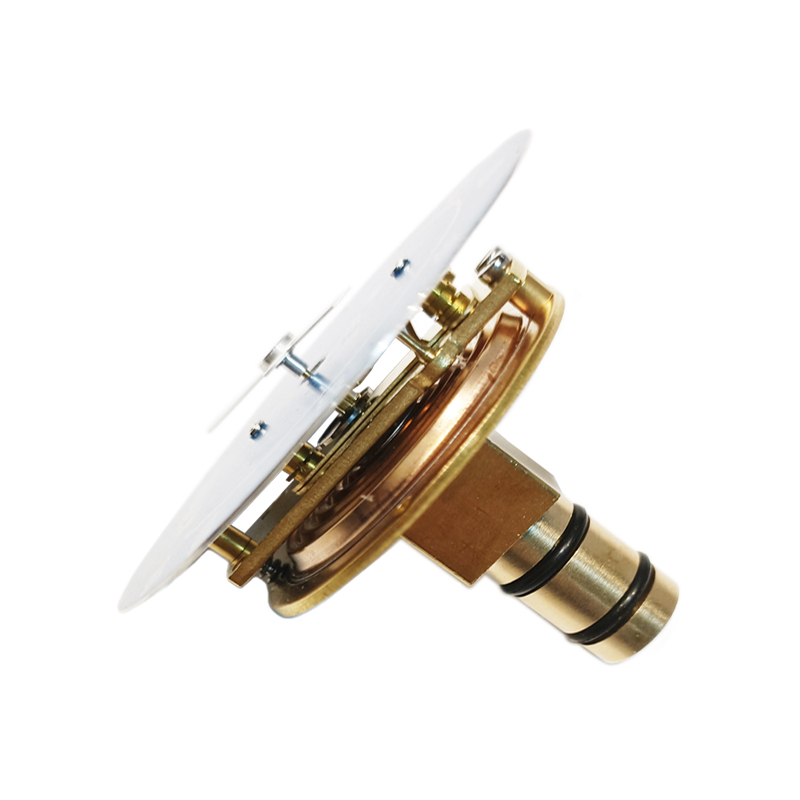
The core materials in gauge pressure measurement devices are typically stainless steel (304, 316, 316L), Hastelloy alloys (for corrosive environments), and occasionally titanium or Inconel. Stainless steel offers a balance of strength, corrosion resistance, and cost-effectiveness. Hastelloy is chosen for extremely harsh chemical environments. Diaphragms, the sensing element, are frequently manufactured using nickel alloys, often formed through processes like deep drawing and subsequent heat treatment to enhance their elasticity and resistance to fatigue. Manufacturing processes involve precision machining of housings and internal components, followed by welding (TIG welding is common for stainless steel to minimize heat-affected zones and maintain corrosion resistance). Calibration is critical and utilizes traceable standards, often relying on deadweight testers or calibrated pressure balances. A key parameter control lies in maintaining tight tolerances on diaphragm thickness and material properties to ensure accurate and repeatable measurements. The manufacturing of pressure transducers also requires stringent quality control throughout the assembly process, including leak testing and electrical calibration. Material compatibility is paramount; for example, using carbon steel in a chloride-rich environment will lead to rapid corrosion and measurement errors.
Performance & Engineering
The performance of gauge pressure measurement relies heavily on understanding force analysis. The pressure force acting on the diaphragm is directly proportional to the pressure and the diaphragm area (P = F/A). Engineering designs must account for stress concentration at the diaphragm's mounting points to prevent premature failure. Environmental resistance is a significant consideration. Temperature fluctuations can affect sensor calibration and introduce drift; therefore, temperature compensation techniques are often employed. Vibration and shock can also impact accuracy, necessitating robust mechanical designs and potentially the use of damping materials. Compliance requirements, particularly in industries like pharmaceutical and food processing, dictate the need for sanitary designs (e.g., Tri-Clamp connections) and materials with FDA approval. Functional implementation involves signal conditioning circuitry to convert the mechanical deflection of the diaphragm into an electrical signal (typically 4-20mA, 0-10V, or digital communication protocols like HART or Modbus). Error analysis, including linearity, hysteresis, and repeatability, is crucial for validating performance. Furthermore, the selection of appropriate process connections (NPT, BSP, flange) and sealing materials (e.g., PTFE, Viton) is essential to prevent leaks and ensure system integrity.
Technical Specifications
| Parameter | Typical Range | Accuracy (Full Scale) | Media Compatibility |
|---|---|---|---|
| Pressure Range | -1 bar to 600 bar | ±0.25% FS | Stainless Steel, Hastelloy, Ceramic |
| Output Signal | 4-20 mA, 0-10 V, HART, Modbus | N/A | N/A |
| Operating Temperature | -40°C to 125°C | N/A | Dependent on seal material |
| Process Connection | 1/4" NPT, 1/2" NPT, G1/4", G1/2" | N/A | N/A |
| Wetted Material | 316L Stainless Steel | N/A | Compatible with most industrial fluids |
| Ingress Protection | IP65, IP67, IP68 | N/A | N/A |
Failure Mode & Maintenance
Common failure modes in gauge pressure sensors include diaphragm rupture (due to overpressure or fatigue), sensor drift (caused by temperature changes, contamination, or aging), and signal corruption (resulting from electrical noise or connection issues). Fatigue cracking can occur in the diaphragm material under cyclical pressure loads. Delamination can happen in certain diaphragm designs due to manufacturing defects or material incompatibility. Degradation of sealing materials (e.g., O-rings) can lead to leaks. Oxidation of internal components can cause signal drift and eventual failure. Maintenance involves regular calibration (at least annually, or more frequently in critical applications), visual inspection for leaks and corrosion, and cleaning of the sensor to remove contaminants. For diaphragm seal sensors, periodic replacement of the diaphragm is recommended. Preventative maintenance also includes ensuring proper grounding to minimize electrical noise and protecting the sensor from excessive vibration and shock. When troubleshooting, it's crucial to check the sensor's power supply, wiring connections, and process fluid compatibility. Regular documentation of calibration data and maintenance activities is vital for tracking sensor performance and identifying potential issues before they lead to critical failures.
Industry FAQ
Q: What is the difference between gauge pressure, absolute pressure, and vacuum pressure?
A: Gauge pressure is relative to atmospheric pressure, absolute pressure is relative to a perfect vacuum, and vacuum pressure is the amount by which a pressure is below atmospheric pressure. Gauge pressure is commonly used in industrial applications, while absolute pressure is often required for scientific measurements. Vacuum pressure is expressed as a negative gauge pressure.
Q: How does temperature affect gauge pressure measurements?
A: Temperature changes can affect the accuracy of gauge pressure measurements due to thermal expansion or contraction of the sensor components and changes in the density of the process fluid. Temperature compensation techniques are often employed to minimize these effects.
Q: What are the common calibration standards for gauge pressure sensors?
A: Common calibration standards include NIST-traceable pressure standards, deadweight testers, and calibrated pressure balances. Calibration should be performed regularly to ensure the accuracy and reliability of the sensor.
Q: What should I consider when selecting a pressure range for a gauge pressure sensor?
A: Select a pressure range that encompasses the expected operating pressure plus a safety margin. Avoid selecting a range that is too large, as this can reduce accuracy. Also, consider the potential for pressure spikes or surges.
Q: What materials are best suited for gauge pressure sensors used in corrosive environments?
A: For corrosive environments, materials like Hastelloy, titanium, and certain ceramic materials are preferred due to their excellent corrosion resistance. The specific material selection will depend on the nature of the corrosive fluid.
Conclusion
Gauge pressure measurement is a fundamental aspect of many industrial processes, requiring a comprehensive understanding of material science, manufacturing techniques, and performance engineering principles. Accuracy, reliability, and proper maintenance are essential for ensuring safe and efficient operation. Careful consideration of factors such as pressure range, media compatibility, and environmental conditions is paramount in selecting the appropriate gauge pressure sensor for a given application.
The continued development of advanced sensor technologies, including digital pressure transducers with improved accuracy and stability, will further enhance the capabilities of gauge pressure measurement in various industries. Implementing robust calibration procedures and preventative maintenance programs remains critical for maximizing sensor lifespan and minimizing the risk of costly failures.
 English
  Arabic
  China
China  China (Taiwan)
  Danish
  Dutch
Dutch  French
  German
  Greek
Greek  Hindi
Hindi  Indonesian
  Italian
  Japanese
  Korean
  Latin
Latin  Polish
  Portuguese
  Russian
  Spanish
  Turkish