
Apr . 01, 2024 17:55 Back to list
Oil Pressure Gauge where should my oil pressure gauge be Performance Analysis
Introduction
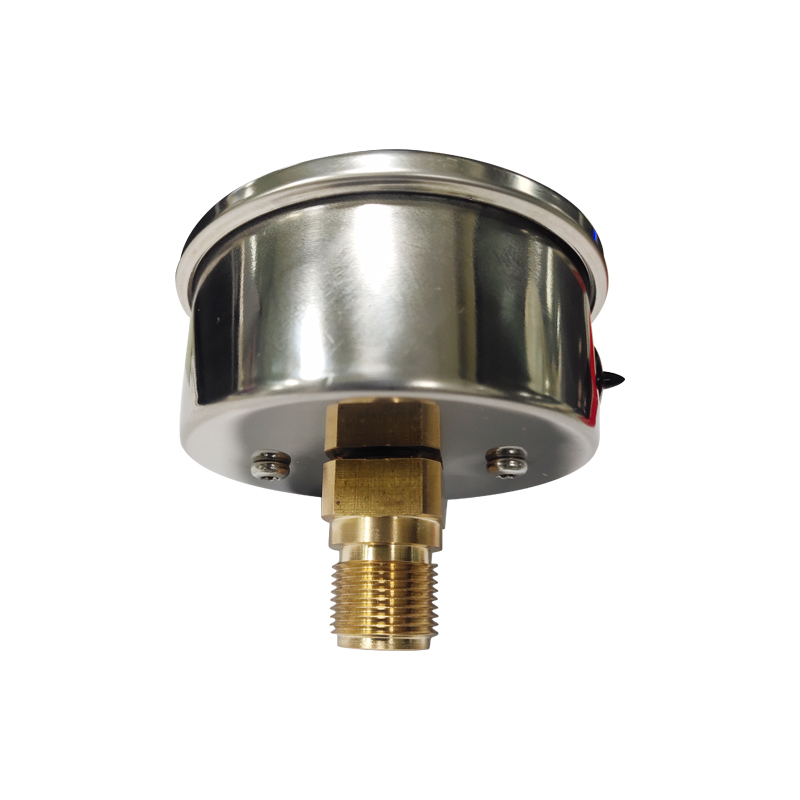
The oil pressure gauge is a critical instrument for monitoring the health of an internal combustion engine. Its primary function is to indicate the amount of pressure exerted by the engine's oil, a direct reflection of the lubricating system’s effectiveness. Incorrect oil pressure—either too low or too high—can signify severe engine problems, potentially leading to catastrophic failure. This guide provides a comprehensive technical overview of oil pressure gauge installation, operation, and interpretation, covering material science, manufacturing considerations, performance parameters, common failure modes, and relevant industry standards. Proper gauge placement, dictated by hydraulic principles and accessibility, is paramount for accurate readings and effective preventative maintenance. The ideal location ensures minimal pressure loss due to line restrictions and allows for convenient visual inspection during routine checks. This guide addresses the industry pain point of ambiguous installation instructions and a lack of in-depth understanding of the pressures involved.
Material Science & Manufacturing
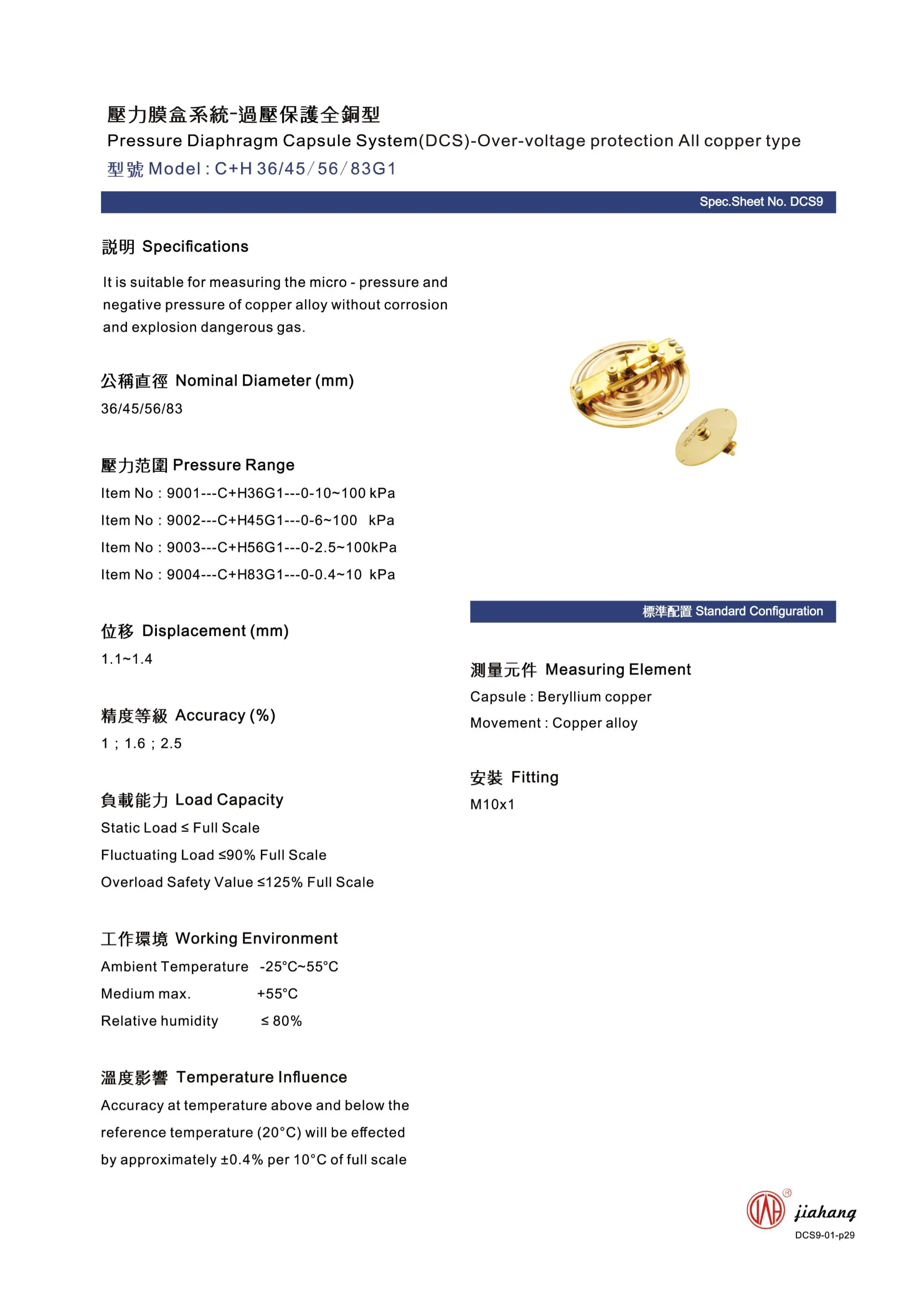
Oil pressure gauges typically utilize a Bourdon tube, constructed from alloys like beryllium copper, phosphor bronze, or stainless steel. Beryllium copper is favored for its high tensile strength and excellent corrosion resistance in the presence of engine oil additives. Phosphor bronze offers good elasticity and fatigue resistance. Stainless steel (316L grade is common) provides superior corrosion resistance but may exhibit lower sensitivity. The manufacturing process begins with cold forming of the alloy into a curved, flattened tube. This tube is then heat-treated to achieve optimal spring characteristics and dimensional stability. Accuracy is critical; tube wall thickness variations exceeding 0.01mm can introduce significant errors. The gauge face is often constructed of polycarbonate or glass-filled nylon, chosen for impact resistance and clarity. The movement mechanism utilizes precision gears and pivots made from hardened steel alloys, requiring meticulous tolerances (typically +/- 0.005mm) to minimize hysteresis. Sensor diaphragms, increasingly common in electronic gauges, are often manufactured from nickel-chromium alloys due to their resistance to oil degradation and thermal expansion. Connection fittings are typically brass or stainless steel, utilizing NPT or BSPT threads, with sealant compatibility crucial to prevent leaks and maintain accurate readings. Manufacturing tolerances for thread pitch and diameter are governed by ISO 9988 standards.
Performance & Engineering
Optimal oil pressure gauge placement considers both hydraulic performance and accessibility. Ideally, the gauge should be connected to a dedicated oil pressure sending unit port on the engine block or cylinder head. These ports are designed to provide a representative pressure reading and minimize flow restriction. The length and diameter of the connecting tubing (typically copper or stainless steel braided line) are critical. Longer lines introduce greater pressure drop due to frictional losses, while narrower lines exacerbate this effect. A minimum inner diameter of 4mm is recommended for tubing runs exceeding 60cm. The gauge's accuracy is defined by its calibration range and resolution. Automotive gauges typically range from 0-100 PSI (0-700 kPa), with a resolution of 1 PSI. Engineering considerations include vibration isolation to prevent damage to the gauge mechanism and shielding from excessive heat. The gauge’s location should be shielded from direct engine heat (radiant or convective) to prevent inaccurate readings due to thermal expansion of the Bourdon tube. Furthermore, location must avoid areas prone to oil spillage or contamination. Force analysis of the Bourdon tube reveals a direct correlation between pressure and tube deflection; this relationship is calibrated during manufacturing. Compliance requirements, such as SAE J1222 (automotive electrical connector standards) and ISO 8000 (data quality standards for metrology), impact gauge accuracy and reliability.
Technical Specifications
| Parameter | Typical Automotive Gauge | Heavy-Duty Diesel Gauge | Precision Industrial Gauge |
|---|---|---|---|
| Pressure Range | 0-100 PSI (0-700 kPa) | 0-150 PSI (0-1034 kPa) | 0-5000 PSI (0-34474 kPa) |
| Accuracy | ± 3% Full Scale | ± 2% Full Scale | ± 0.25% Full Scale |
| Bourdon Tube Material | Beryllium Copper | Stainless Steel (316L) | Inconel 718 |
| Connection Type | 1/8” NPT (National Pipe Thread) | 1/4” NPT or BSPT (British Standard Pipe Thread) | Various, including SAE J514 and DIN 3852 |
| Operating Temperature Range | -40°C to +85°C | -40°C to +125°C | -50°C to +150°C |
| Vibration Resistance | 10G (IEC 60068-2-6) | 20G (IEC 60068-2-6) | 50G (IEC 60068-2-6) |
Failure Mode & Maintenance
Common failure modes include Bourdon tube rupture (caused by overpressure or fatigue cracking), gear train wear (resulting in inaccurate readings), and leakage at the connection fittings (due to thread damage or sealant degradation). Fatigue cracking is exacerbated by continuous vibration and pressure cycling. Delamination of the Bourdon tube can occur due to corrosion or manufacturing defects. Oxidation of internal components can lead to increased friction and sluggish movement. Electronic gauges are susceptible to sensor drift and electrical connection failures. Preventative maintenance includes regular visual inspection for leaks and damage, periodic calibration against a known pressure standard, and replacement of the gauge every 5-7 years (or as recommended by the manufacturer). Cleaning the gauge face with a soft cloth and mild detergent is recommended. Never attempt to disassemble the gauge yourself; professional repair is advised. Proper oil filtration is critical to minimize abrasive wear on internal components. If erratic readings are observed, first check the connecting tubing for kinks or obstructions. A pressure test using a calibrated pressure source can confirm gauge accuracy. Always de-energize the electrical system before replacing or servicing an electronic gauge.
Industry FAQ
Q: What is the ideal location for mounting an oil pressure gauge in a performance engine application?
A: In performance applications, minimizing tubing length is critical. Mount the gauge as close to the oil pressure sending unit port on the engine block as possible, using high-quality braided stainless steel line with a minimum 4mm inner diameter. Vibration isolation mounts are also recommended to protect the gauge mechanism.
Q: How often should an oil pressure gauge be calibrated?
A: Calibration should be performed annually, or more frequently in harsh operating environments. Calibration ensures the gauge maintains accuracy and provides reliable readings. Utilize a certified pressure calibration standard for best results.
Q: What does a fluctuating oil pressure reading indicate?
A: A fluctuating reading could indicate a failing oil pump, a clogged oil pickup screen, or air entrainment in the oil system. Further investigation is needed to determine the root cause. Check oil level and condition first.
Q: Can I use a digital oil pressure gauge in place of a mechanical one?
A: Yes, digital gauges offer advantages such as increased accuracy and the ability to integrate with data logging systems. However, ensure the digital gauge is compatible with your engine's oil system and properly grounded to avoid electrical interference.
Q: What is the impact of oil viscosity on oil pressure gauge readings?
A: Higher viscosity oils generally result in higher oil pressure readings, particularly at lower engine temperatures. Ensure the oil viscosity matches the engine manufacturer's recommendations to maintain accurate readings and optimal lubrication.
Conclusion
Accurate oil pressure monitoring is indispensable for maintaining engine health and preventing costly failures. Proper gauge placement, utilizing quality materials, and adhering to industry standards are crucial for reliable performance. The selection of appropriate gauge construction—considering factors like pressure range, accuracy, and environmental resistance—directly impacts long-term durability and precision. Understanding the potential failure modes and implementing a proactive maintenance schedule are vital for extending the gauge's lifespan and ensuring continuous operation.
Future advancements in oil pressure monitoring are focused on wireless sensor technology and integration with vehicle diagnostic systems, enabling real-time data analysis and predictive maintenance capabilities. Continued research into advanced materials, like shape memory alloys for Bourdon tubes, promises to enhance gauge sensitivity and reduce calibration drift. Ultimately, a comprehensive understanding of the underlying principles governing oil pressure measurement remains paramount for all stakeholders involved, from engine manufacturers to maintenance technicians.
 English
  Arabic
  China
China  China (Taiwan)
  Danish
  Dutch
Dutch  French
  German
  Greek
Greek  Hindi
Hindi  Indonesian
  Italian
  Japanese
  Korean
  Latin
Latin  Polish
  Portuguese
  Russian
  Spanish
  Turkish