
Apr . 01, 2024 17:55 Back to list
car tire pressure gauge Performance Analysis

Introduction
The car tire pressure gauge is a critical instrument in automotive maintenance, functioning to accurately measure the air pressure within pneumatic tires. Positioned within the automotive aftermarket and vehicle maintenance supply chain, it serves a broad user base encompassing individual vehicle owners, professional automotive technicians, and fleet maintenance personnel. Core performance characteristics revolve around accuracy, repeatability, durability, and ease of use, directly impacting vehicle safety, fuel efficiency, and tire lifespan. Historically relying on mechanical analog designs, modern gauges increasingly incorporate digital sensors and display technologies, enhancing precision and offering additional features like memory and unit conversion. The increasing complexity of tire pressure monitoring systems (TPMS) in modern vehicles necessitates a reliable external gauge for calibration and verification of TPMS sensor readings. Maintaining correct tire pressure is crucial for optimal braking performance, handling stability, and preventing premature tire wear, making the pressure gauge an indispensable tool.
Material Science & Manufacturing
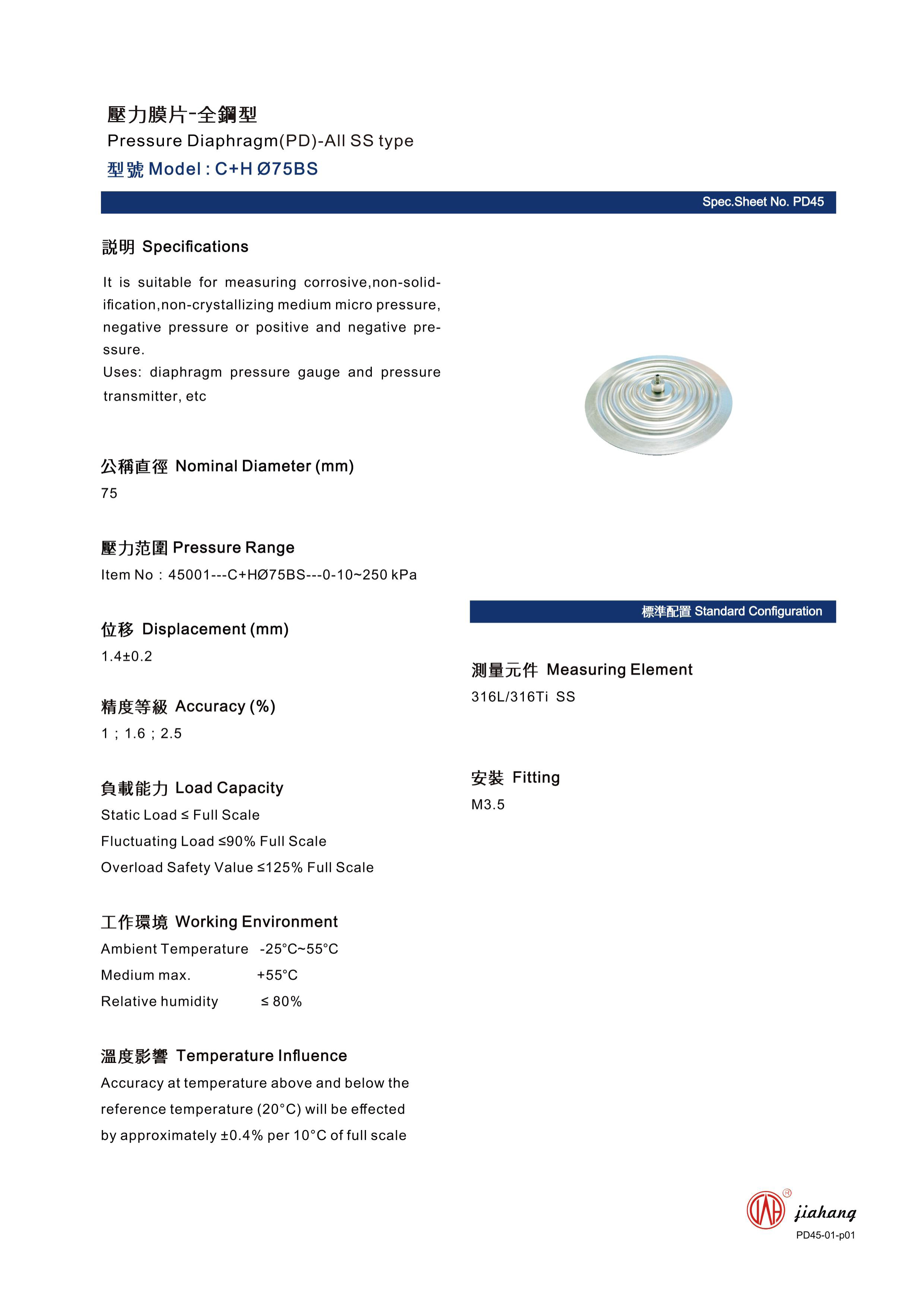
The construction of a typical car tire pressure gauge involves several materials, each selected for specific properties. The gauge housing is commonly manufactured from stainless steel (304 or 316 grade) or high-impact ABS plastic. Stainless steel offers excellent corrosion resistance and durability, vital for longevity, while ABS provides a lightweight and cost-effective alternative. The Bourdon tube, central to mechanical gauges, is fabricated from beryllium copper or phosphor bronze – alloys chosen for their high elasticity and ability to return to their original shape after deformation. Digital gauges employ piezoresistive pressure sensors, often utilizing silicon as the core sensing element, due to its sensitivity to stress. Manufacturing processes vary by gauge type. Mechanical gauges involve forming the Bourdon tube through bending and welding, followed by calibration and assembly. Digital gauges require semiconductor fabrication for the pressure sensor, printed circuit board (PCB) assembly, and integration with a digital display. Parameter control during Bourdon tube forming is critical to ensure linearity and accuracy. In digital gauges, maintaining precise temperature control during sensor fabrication minimizes drift. Quality control focuses on leak testing, accuracy verification against NIST-traceable standards, and mechanical stress testing to ensure resilience against shock and vibration. Surface treatments like passivation (for stainless steel) and UV stabilization (for ABS plastic) enhance corrosion resistance and prevent material degradation.
Performance & Engineering
The performance of a tire pressure gauge is fundamentally governed by principles of fluid mechanics and material science. Force analysis centers on the relationship between tire pressure, the area of the Bourdon tube (in mechanical gauges), or the piezoresistive element (in digital gauges), and the resulting deformation. Environmental resistance is a key engineering consideration. Temperature fluctuations can affect the accuracy of both mechanical and digital gauges; materials with low thermal expansion coefficients are preferred. Exposure to humidity and corrosive road salts necessitates the use of corrosion-resistant materials and sealing techniques. Compliance requirements mandate accuracy within specified tolerances, typically ±1% of the full scale or ±0.5 PSI, whichever is greater. Functional implementation involves the conversion of pressure into a readable format – a mechanical pointer deflection or a digital display. The design of the gauge must minimize parallax error and ensure clear visibility. Hysteresis – the difference in readings during increasing versus decreasing pressure – must be minimized through material selection and precision manufacturing. Fatigue analysis is important, particularly for mechanical gauges, to predict the lifespan under repeated pressure cycling. Advanced digital gauges may incorporate features like automatic shut-off to conserve battery life and error messages to indicate sensor malfunction or out-of-range readings.
Technical Specifications
| Parameter | Mechanical Gauge (Analog) | Digital Gauge (LCD) | Digital Gauge (Backlit LCD) |
|---|---|---|---|
| Pressure Range | 0-60 PSI (0-4.14 bar) | 0-150 PSI (0-10.34 bar) | 0-150 PSI (0-10.34 bar) |
| Accuracy | ±2% Full Scale | ±0.5 PSI (±0.034 bar) | ±0.5 PSI (±0.034 bar) |
| Resolution | 1 PSI | 0.1 PSI | 0.1 PSI |
| Housing Material | Stainless Steel/ABS Plastic | ABS Plastic | ABS Plastic with Rubber Boot |
| Operating Temperature | -20°C to 60°C (-4°F to 140°F) | 0°C to 50°C (32°F to 122°F) | 0°C to 50°C (32°F to 122°F) |
| Power Source | N/A | CR2032 Button Cell Battery | CR2032 Button Cell Battery |
Failure Mode & Maintenance
Car tire pressure gauges, despite their relative simplicity, are susceptible to various failure modes. Mechanical gauges commonly experience Bourdon tube fatigue cracking due to repeated stress cycling, leading to inaccurate readings or complete failure. Corrosion of internal components, particularly in harsh environments, can cause sticking or seizing of the mechanism. Digital gauges are prone to sensor drift over time, requiring recalibration. Battery leakage can corrode the PCB and render the gauge inoperable. LCD display failure is another common issue, often resulting from physical damage or prolonged exposure to UV radiation. Failure analysis should involve visual inspection for physical damage, leak testing to identify compromised seals, and accuracy verification against a calibrated standard. Preventative maintenance for mechanical gauges includes periodic cleaning and lubrication of the mechanism. For digital gauges, battery replacement and protection from extreme temperatures and humidity are crucial. Calibration should be performed annually, or more frequently in demanding applications, using a NIST-traceable pressure calibrator. Proper storage in a clean, dry environment minimizes corrosion and extends the lifespan of the gauge. Replacement of worn seals or damaged components is often necessary for long-term reliability.
Industry FAQ
Q: What is the impact of altitude on tire pressure readings, and how does the gauge account for this?
A: Altitude affects atmospheric pressure, which influences tire pressure. As altitude increases, atmospheric pressure decreases, leading to a lower reading on the gauge if not compensated. Most standard tire pressure gauges do not account for altitude. However, some higher-end digital gauges offer altitude compensation features, allowing for accurate readings regardless of elevation. For accurate readings at varying altitudes, users should consult a tire pressure chart adjusted for elevation or utilize a gauge with built-in compensation.
Q: What is the acceptable tolerance for tire pressure measurement in a safety-critical application like commercial trucking?
A: In commercial trucking and other safety-critical applications, maintaining precise tire pressure is paramount. The acceptable tolerance is typically much tighter than for passenger vehicles. Regulations often require accuracy within ±1 PSI or ±2% of the full scale, whichever is greater. Regular calibration against a NIST-traceable standard is essential, and documentation of calibration records is often mandated for compliance.
Q: How does temperature affect the accuracy of a tire pressure gauge, and what measures can be taken to mitigate this?
A: Temperature variations can significantly impact the accuracy of both mechanical and digital tire pressure gauges. Increased temperature raises tire pressure, while decreased temperature lowers it. The gauge itself can also be affected – materials expand and contract with temperature changes, potentially altering readings. To mitigate this, allow the tires to cool down before measuring pressure. Use a gauge with temperature compensation features (available in some digital models). Calibrate the gauge at the expected operating temperature.
Q: What are the differences between single-foot and dual-foot tire pressure gauges, and when would you choose one over the other?
A: Single-foot gauges have a single connection point for the air hose, while dual-foot gauges have two. Dual-foot gauges are often preferred by professional technicians as they allow for quick and easy deflation of tires while maintaining a constant pressure reading. Single-foot gauges are generally more compact and suitable for occasional use by individual vehicle owners.
Q: What is the recommended calibration procedure for a digital tire pressure gauge?
A: Calibration of a digital tire pressure gauge requires a NIST-traceable pressure calibrator. Connect the gauge to the calibrator and apply known pressure values across the gauge's operating range. Compare the gauge's readings to the calibrator's values and adjust the gauge's calibration settings (if available) to minimize any discrepancies. Document the calibration date, the calibrator used, and the results of the calibration for traceability.
Conclusion
The car tire pressure gauge, whether mechanical or digital, remains a vital component of vehicle maintenance, directly impacting safety, fuel economy, and tire longevity. Advancements in sensor technology and materials science are driving improvements in accuracy, durability, and user-friendliness. Understanding the underlying principles of fluid mechanics, material properties, and potential failure modes is crucial for selecting, maintaining, and utilizing these instruments effectively.
Looking forward, we can anticipate increased integration of tire pressure monitoring data with vehicle telematics systems, enabling predictive maintenance and automated pressure adjustments. The development of more robust and reliable sensors, coupled with advanced calibration techniques, will further enhance the performance and lifespan of tire pressure gauges, ensuring continued safe and efficient vehicle operation.
 English
  Arabic
  China
China  China (Taiwan)
  Danish
  Dutch
Dutch  French
  German
  Greek
Greek  Hindi
Hindi  Indonesian
  Italian
  Japanese
  Korean
  Latin
Latin  Polish
  Portuguese
  Russian
  Spanish
  Turkish