
Apr . 01, 2024 17:55 Back to list
electronic tyre pressure gauge Performance Engineering
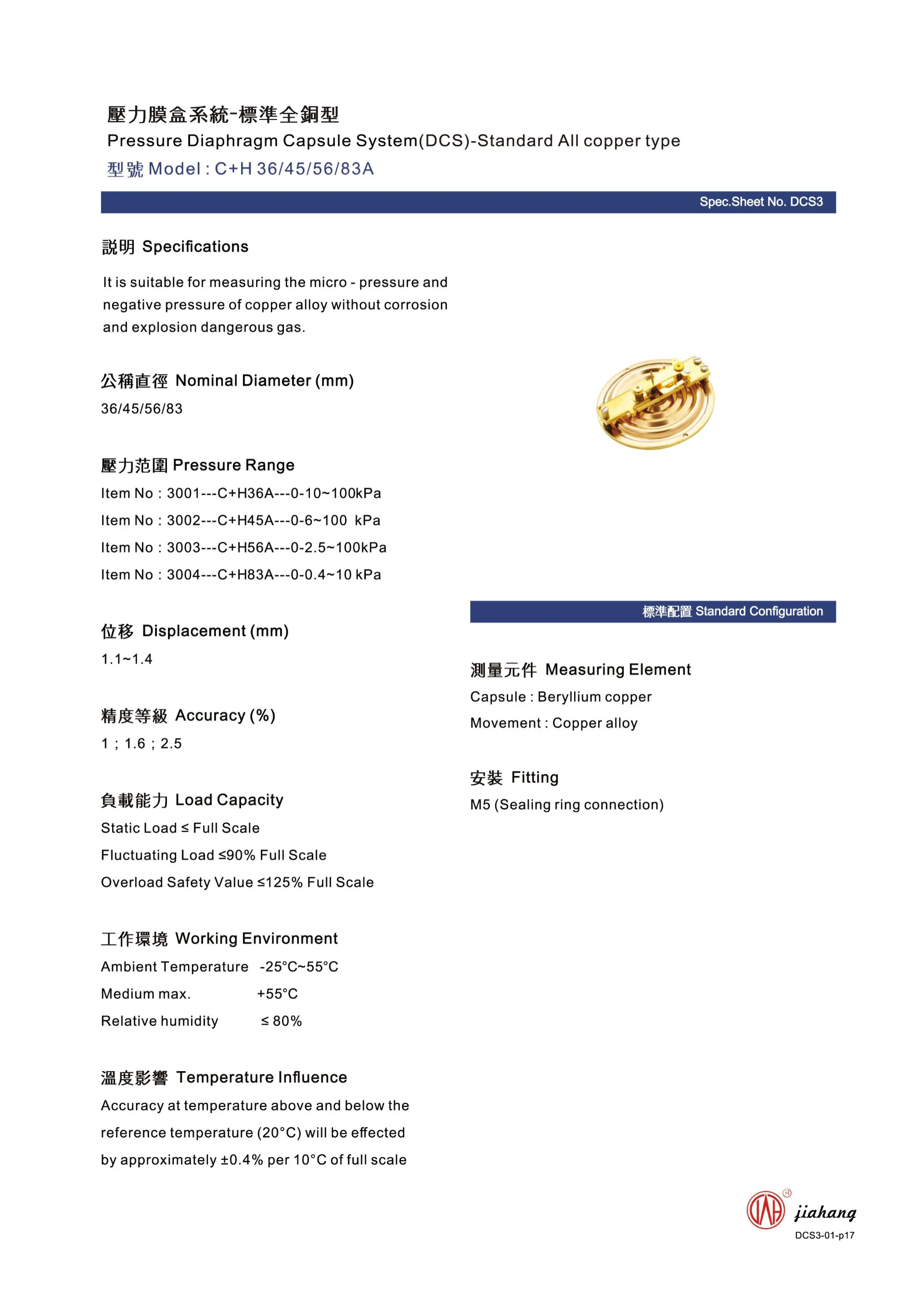
Introduction
Electronic tyre pressure gauges (ETPGs) are precision instruments used to measure the air pressure within pneumatic tires. Positioned within the automotive aftermarket and preventative maintenance sectors, ETPGs provide a critical function for vehicle safety, fuel efficiency, and tyre longevity. Unlike traditional mechanical gauges, ETPGs leverage pressure sensors and digital displays, offering enhanced accuracy, repeatability, and ease of use. Their adoption is driven by increasingly stringent vehicle safety regulations, the prevalence of Tyre Pressure Monitoring Systems (TPMS), and a growing consumer awareness of the benefits of proper tyre inflation. Core performance characteristics include pressure range, accuracy (expressed as a percentage of full scale or as a fixed value), resolution, response time, and durability. The market encompasses a wide range of designs, from basic digital gauges to sophisticated units with features such as memory, backlight displays, and integrated bleed valves. A primary industry pain point is ensuring metrological traceability and long-term stability of the sensor components. Furthermore, the proliferation of different tyre valve standards (Schrader, Presta, Dunlop) necessitates versatile gauge designs.
Material Science & Manufacturing
The core components of an ETPG dictate material selection and manufacturing processes. The pressure sensor itself is frequently based on piezoresistive silicon, utilizing the change in electrical resistance of silicon under mechanical stress. Silicon’s high sensitivity, linearity, and temperature stability make it ideal, but requires sophisticated microfabrication techniques (MEMS - Micro-Electro-Mechanical Systems). The gauge housing is typically constructed from ABS plastic, polycarbonate, or metal alloys (e.g., aluminum). ABS provides cost-effectiveness and impact resistance, while polycarbonate offers superior durability and temperature resistance. Metal housings are favored for robustness and industrial applications. The internal circuitry utilizes standard electronic components (microcontroller, LCD display, battery) mounted on a printed circuit board (PCB) fabricated from FR-4 epoxy laminate. Manufacturing involves several key stages: sensor fabrication (MEMS etching, doping, metallization), PCB assembly (component placement, soldering), housing molding or machining, calibration (using a NIST-traceable pressure standard), and final assembly. Critical parameter control during manufacturing includes maintaining cleanroom conditions for sensor fabrication, precise temperature control during soldering, and rigorous quality control checks throughout the assembly process. Chemical compatibility is important; materials must resist degradation from exposure to lubricants, cleaning agents, and environmental factors. The chuck, which interfaces with the tire valve, is typically brass or stainless steel to ensure corrosion resistance and a tight seal.
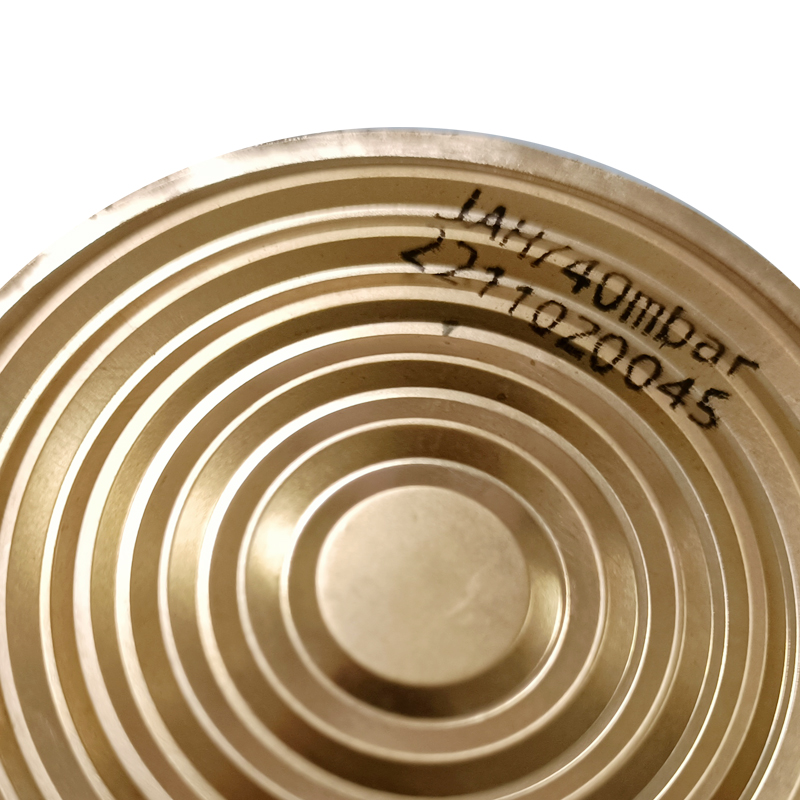
Performance & Engineering
ETPG performance is governed by principles of fluid mechanics, material science, and signal processing. The force exerted by the air within the tyre creates stress on the pressure sensor diaphragm. This stress is translated into an electrical signal, which is amplified, processed by a microcontroller, and displayed digitally. Accuracy is paramount, often specified as ±1% of full scale or ±0.1 PSI. Environmental resistance is another critical factor; ETPGs must operate reliably over a wide temperature range (-20°C to 60°C) and humidity levels. Finite element analysis (FEA) is used during the design phase to optimize the structural integrity of the housing and sensor assembly, preventing failure under high pressure or impact. Compliance requirements include adherence to relevant automotive standards (e.g., SAE J1926) and electromagnetic compatibility (EMC) directives. The signal processing algorithm must compensate for temperature drift and non-linearity in the sensor output. Battery life is a key engineering consideration, with manufacturers employing low-power microcontrollers and optimized power management strategies. A common design challenge is minimizing hysteresis—the difference in readings when approaching a pressure from above versus below. This is addressed through careful sensor calibration and materials selection to reduce mechanical friction and creep.
Technical Specifications
| Parameter | Typical Value (Low End Model) | Typical Value (Mid-Range Model) | Typical Value (High-End Model) |
|---|---|---|---|
| Pressure Range | 0-50 PSI | 0-60 PSI | 0-100 PSI |
| Accuracy | ±2 PSI | ±1 PSI | ±0.1 PSI |
| Resolution | 0.1 PSI | 0.1 PSI | 0.01 PSI |
| Operating Temperature | -10°C to 50°C | -20°C to 60°C | -30°C to 70°C |
| Battery Life | 2000 readings | 5000 readings | 10000 readings |
| Valve Compatibility | Schrader | Schrader, Presta | Schrader, Presta, Dunlop |
Failure Mode & Maintenance
Common failure modes in ETPGs include sensor drift, battery depletion, display malfunction, and housing cracking. Sensor drift, often caused by temperature cycling or exposure to corrosive fluids, leads to inaccurate readings. Battery depletion is a routine issue addressed by replacing the battery (typically AAA or CR2032). Display malfunctions can result from PCB damage or component failure. Housing cracking, particularly in plastic housings, occurs due to impact or prolonged UV exposure. Failure analysis reveals that fatigue cracking around the sensor diaphragm is a frequent root cause of inaccuracy. Delamination of the PCB laminate can occur due to moisture ingress. Oxidation of electrical contacts can lead to intermittent readings. Preventative maintenance includes regular battery replacement, protection from extreme temperatures and corrosive substances, and careful handling to avoid physical damage. Calibration should be performed periodically (e.g., annually) using a certified pressure standard. If the gauge displays erratic readings or fails to power on, the internal circuitry should be inspected for damaged components or loose connections. For suspected sensor drift, recalibration or sensor replacement is necessary. Proper storage in a clean, dry environment is also crucial for extending the lifespan of the gauge.
Industry FAQ
Q: What is the impact of temperature on the accuracy of an ETPG?
A: Temperature significantly impacts accuracy. Piezoresistive sensors exhibit temperature sensitivity, causing the zero offset and sensitivity to drift. High-end gauges employ temperature compensation algorithms and hardware to minimize this drift, but even with compensation, some residual error remains. Calibration should be performed at the expected operating temperature range for optimal accuracy.
Q: How does the type of tyre valve (Schrader, Presta, Dunlop) affect gauge compatibility?
A: Different valve types require different chuck designs. Schrader valves are the most common and typically require a simple spring-loaded chuck. Presta valves require a chuck that engages with the valve core and opens it to allow pressure measurement. Dunlop valves are less common and require a specialized chuck. Gauges designed for multiple valve types feature interchangeable chucks.
Q: What is the typical lifespan of an ETPG?
A: The lifespan varies depending on usage and quality. A basic ETPG might last 2-5 years, while a high-quality gauge with robust construction and accurate sensors can last 5-10 years or longer with proper maintenance.
Q: What are the key considerations when selecting an ETPG for professional automotive use?
A: For professional use, accuracy, durability, and repeatability are paramount. A metal housing is preferred for robustness. Look for a gauge with a NIST-traceable calibration certificate and a resolution of at least 0.1 PSI. Features such as memory and data logging can also be beneficial.
Q: How important is EMC (Electromagnetic Compatibility) compliance for ETPGs?
A: EMC compliance is crucial, especially in automotive environments where numerous electronic devices operate. EMC certification (e.g., CE marking) ensures the gauge does not interfere with other systems and is not susceptible to interference from external sources, preventing inaccurate readings or malfunctions.
Conclusion
Electronic tyre pressure gauges represent a significant advancement over traditional mechanical gauges, offering improved accuracy, convenience, and features. The core functionality relies on sophisticated MEMS technology, precise manufacturing processes, and robust signal processing. Understanding the material science behind the sensor and housing components, as well as the potential failure modes, is critical for ensuring long-term performance and reliability.
The selection of an appropriate ETPG depends heavily on the intended application and budget. Factors such as pressure range, accuracy requirements, environmental conditions, and valve compatibility must be carefully considered. As automotive technology continues to evolve, with increasing emphasis on fuel efficiency and safety, the demand for high-performance ETPGs will likely continue to grow.
 English
  Arabic
  China
China  China (Taiwan)
  Danish
  Dutch
Dutch  French
  German
  Greek
Greek  Hindi
Hindi  Indonesian
  Italian
  Japanese
  Korean
  Latin
Latin  Polish
  Portuguese
  Russian
  Spanish
  Turkish