
Apr . 01, 2024 17:55 Back to list
fuel pressure gauge Performance Engineering
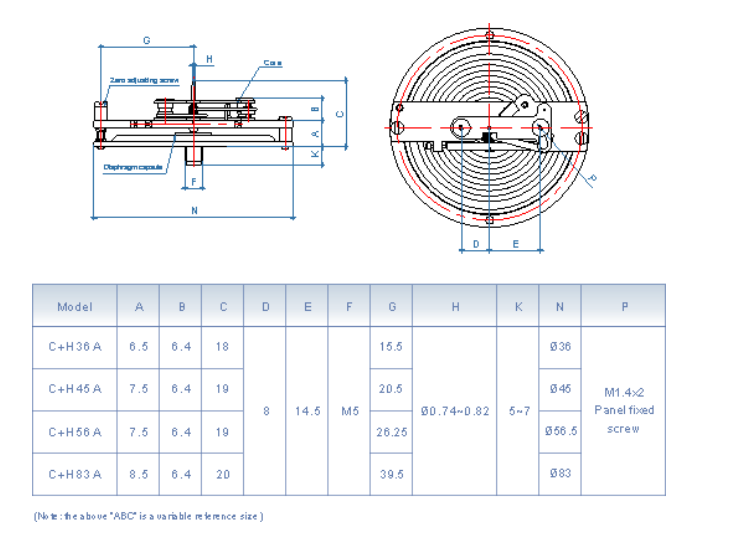
Introduction
The fuel pressure gauge is a critical instrument utilized in internal combustion engine systems, serving as a precise indicator of fuel delivery pressure. Positioned within the fuel supply chain – typically between the fuel pump and the fuel injectors – it provides real-time data essential for engine performance, diagnostics, and safety. Modern fuel pressure gauges encompass both mechanical and electronic designs, with electronic gauges offering digital readouts, data logging capabilities, and integration with engine control units (ECUs). Core performance characteristics revolve around accuracy, resolution, and durability under the demanding conditions of fuel systems, including fluctuating pressures, chemical exposure, and vibration. A consistent and accurate fuel pressure reading is vital for optimal combustion, maximizing fuel efficiency, and minimizing emissions. Issues with fuel pressure, as indicated by gauge readings, often point to problems with the fuel pump, fuel filter, pressure regulator, or fuel injectors themselves.
Material Science & Manufacturing
Fuel pressure gauges utilize a diverse range of materials chosen for their compatibility with fuel types (gasoline, diesel, ethanol blends) and resistance to the pressures encountered. The Bourdon tube, a common sensing element in mechanical gauges, is typically constructed from beryllium copper or stainless steel alloys (304 or 316). Beryllium copper offers excellent spring characteristics and corrosion resistance, while stainless steel provides superior durability and resistance to a broader range of fuels. The gauge housing is frequently manufactured from aluminum alloy (6061-T6) for lightweight properties and corrosion resistance, or from reinforced nylon polymers for cost-effectiveness and impact resistance. Electronic pressure sensors often employ piezoresistive silicon diaphragms, bonded to a stainless steel substrate for protection. Manufacturing processes vary depending on the gauge type. Mechanical gauges involve precision tube forming, heat treatment for optimal spring properties, and careful calibration. Electronic gauges require semiconductor fabrication, assembly of sensor elements, and electronic circuit board manufacturing. Key parameter control includes precise tube diameter and wall thickness for mechanical gauges, and stringent quality control of silicon diaphragm integrity and sensor calibration for electronic gauges. Welding processes (TIG welding for stainless steel) must ensure leak-proof seals, and polymeric housings are often produced via injection molding with tight tolerances.
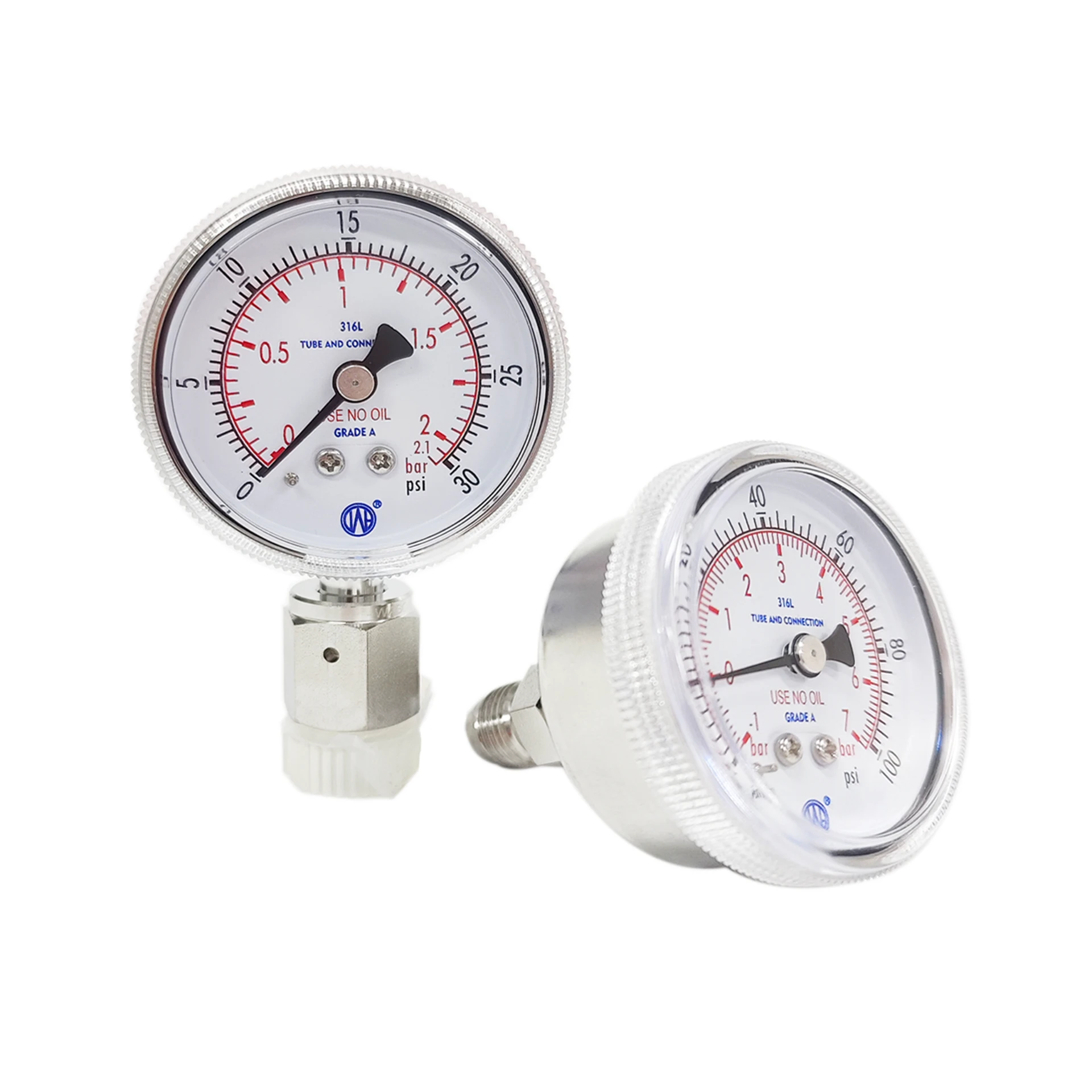
Performance & Engineering
The performance of a fuel pressure gauge is dictated by several engineering principles. Force analysis centers on the pressure exerted by the fuel on the sensing element (Bourdon tube or diaphragm), which generates a proportional mechanical stress or electrical signal. Environmental resistance is paramount, necessitating materials and sealing techniques that can withstand temperature fluctuations, vibration, and exposure to corrosive fuel additives. Compliance requirements are driven by automotive safety standards (SAE International) and potentially regional regulations regarding fuel system leak detection. Functional implementation varies. Mechanical gauges translate pressure into a physical pointer deflection, while electronic gauges convert pressure into an electrical signal (typically 4-20mA or 0-5V) for integration with data acquisition systems or ECUs. Hysteresis – the difference between ascending and descending pressure readings – must be minimized for accurate measurements. Response time, or the speed at which the gauge reacts to pressure changes, is critical for capturing transient pressure spikes. Furthermore, consideration must be given to the gauge's ability to dampen pressure pulsations to provide a stable and readable indication.
Technical Specifications
| Parameter | Units | Typical Range (Gasoline) | Accuracy |
|---|---|---|---|
| Pressure Range | PSI | 0-100 PSI | ±1% Full Scale |
| Operating Temperature | °F | -40 to 250 °F | N/A |
| Media Compatibility | - | Gasoline, Ethanol Blends, Diesel | N/A |
| Housing Material | - | Aluminum Alloy, Nylon Polymer | N/A |
| Sensor Type (Electronic) | - | Piezoresistive Silicon | N/A |
| Output Signal (Electronic) | - | 4-20mA, 0-5V | N/A |
Failure Mode & Maintenance
Fuel pressure gauges are susceptible to several failure modes. Fatigue cracking in the Bourdon tube or sensor housing can occur due to repeated pressure cycling and vibration, especially in mechanically stressed areas. Corrosion, particularly from exposure to aggressive fuel additives or water contamination, can lead to leaks and inaccurate readings. Diaphragm rupture in electronic sensors is a critical failure point, often caused by overpressure events or material defects. Delamination of polymeric housings can occur due to prolonged exposure to high temperatures and UV radiation. Oxidation of electrical contacts in electronic gauges can introduce signal noise and intermittent failures. Maintenance typically involves periodic visual inspection for leaks, damage to the housing, and corrosion. For mechanical gauges, recalibration may be necessary after extended use. Electronic gauges should be checked for proper wiring connections and output signal integrity. Fuel filter replacement is crucial to prevent debris from damaging the gauge's internal components. Regular testing of the gauge’s reading against a known good source is recommended to verify accuracy. Preventative maintenance protocols should also include protecting the gauge from extreme temperatures and physical shocks.
Industry FAQ
Q: What is the significance of hysteresis in a fuel pressure gauge, and how does it impact diagnostic accuracy?
A: Hysteresis refers to the difference in readings obtained when approaching a given pressure from increasing versus decreasing pressure values. Significant hysteresis indicates a non-linear response in the sensing element, leading to inaccurate and inconsistent readings. This can mislead diagnostics, potentially indicating a fuel pressure problem when none exists, or masking a genuine issue. Lower hysteresis values are desirable for reliable measurements.
Q: How do different fuel types (gasoline, diesel, ethanol blends) affect the material selection for a fuel pressure gauge?
A: Different fuel types have varying chemical compositions and corrosive properties. Ethanol blends, for example, are more aggressive towards certain polymers and metals than pure gasoline. Diesel fuel can contain sulfur compounds that promote corrosion. Therefore, gauges designed for use with these fuels must employ materials resistant to their specific chemical characteristics. Stainless steel (316) and fluorocarbon elastomers are often preferred for compatibility with a broad range of fuels.
Q: What is the role of a snubber in an electronic fuel pressure gauge, and when is it necessary?
A: A snubber is a damping component used to reduce pressure pulsations and vibrations in the fuel line, preventing them from being transmitted to the sensor. It's particularly necessary in systems with high-frequency pressure fluctuations, such as those with pulse-width modulated (PWM) fuel pumps. Without a snubber, these pulsations can cause inaccurate readings, premature sensor failure, and noisy data.
Q: What are the potential consequences of using a fuel pressure gauge with an incorrect pressure range for the application?
A: Using a gauge with an insufficient pressure range can lead to over-range conditions, potentially damaging the sensing element and causing inaccurate readings or complete failure. Conversely, using a gauge with an excessively high pressure range reduces sensitivity and resolution, making it difficult to detect subtle pressure changes that may indicate a problem. Selecting a gauge with a range appropriate for the specific application is critical.
Q: How does temperature affect the accuracy of a fuel pressure gauge, and what measures are taken to compensate for it?
A: Temperature variations can influence the mechanical properties of the sensing element (Bourdon tube) and the electrical characteristics of electronic sensors, affecting accuracy. Many gauges incorporate temperature compensation circuitry or materials with low thermal expansion coefficients to minimize these effects. Calibration procedures often include temperature correction factors to ensure accuracy across the operating temperature range.
Conclusion
The fuel pressure gauge remains an indispensable component in modern engine management systems, providing critical data for performance monitoring, diagnostics, and safety. Its accuracy, durability, and compatibility with evolving fuel formulations are paramount. The selection of appropriate materials, precise manufacturing processes, and careful calibration are crucial to ensure reliable operation.
Future advancements in fuel pressure gauge technology will likely focus on further miniaturization, increased accuracy through enhanced sensor technology, and seamless integration with vehicle networking systems for real-time data analysis and predictive maintenance. Standardization of communication protocols and improved resistance to harsh operating environments will also be key areas of development.
 English
  Arabic
  China
China  China (Taiwan)
  Danish
  Dutch
Dutch  French
  German
  Greek
Greek  Hindi
Hindi  Indonesian
  Italian
  Japanese
  Korean
  Latin
Latin  Polish
  Portuguese
  Russian
  Spanish
  Turkish