
Apr . 01, 2024 17:55 Back to list
hydraulic pressure gauge Performance Analysis
Introduction
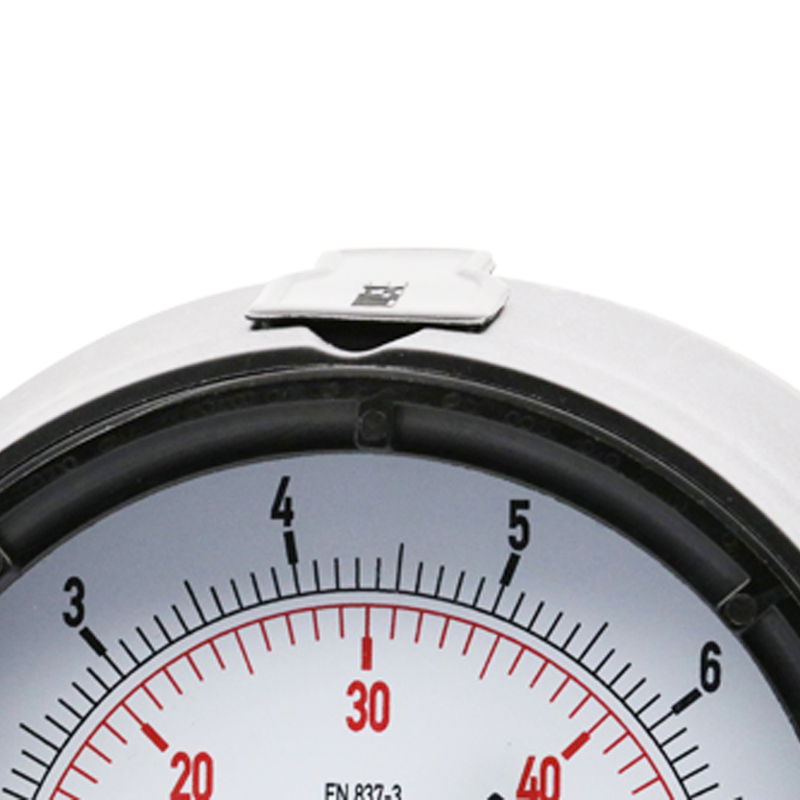
Hydraulic pressure gauges are vital instruments used to measure and display the pressure within hydraulic systems. Positioned within the broader industrial instrumentation chain, they provide critical data for operational control, performance monitoring, and preventative maintenance. These gauges translate fluid pressure into a readable format, typically in pounds per square inch (PSI), bars, or megapascals (MPa). Their core performance characteristics are accuracy, repeatability, reliability under dynamic pressure conditions, and resistance to the hydraulic fluid being measured. The industry faces challenges regarding long-term drift, environmental sensitivity, and the need for increasingly precise measurements in advanced hydraulic systems, necessitating continuous advancements in gauge technology and materials.
Material Science & Manufacturing
The primary materials used in hydraulic pressure gauge construction include stainless steel (304, 316), brass alloys (for housings), beryllium copper (for Bourdon tubes requiring high elasticity and corrosion resistance), and specialized polymers for windows and seals (Nitrile, Viton, PTFE). The selection is crucial for compatibility with various hydraulic fluids – mineral oils, synthetic fluids, phosphate esters – to prevent material degradation and inaccurate readings. Bourdon tubes, the core sensing element, are manufactured through a cold-forming process involving bending a flattened tube into a curved shape. The precision of this bend dictates the gauge's accuracy. Manufacturing tolerances are extremely tight, often within microns. Connection ports are typically machined from brass or stainless steel, using CNC milling to ensure a leak-proof seal. Assembly requires meticulous cleaning to eliminate particulate contamination, a major source of gauge failure. Key parameter control focuses on heat treatment of the Bourdon tube to achieve the desired spring characteristics, precise calibration against NIST-traceable standards, and rigorous pressure testing throughout the assembly process.
Performance & Engineering
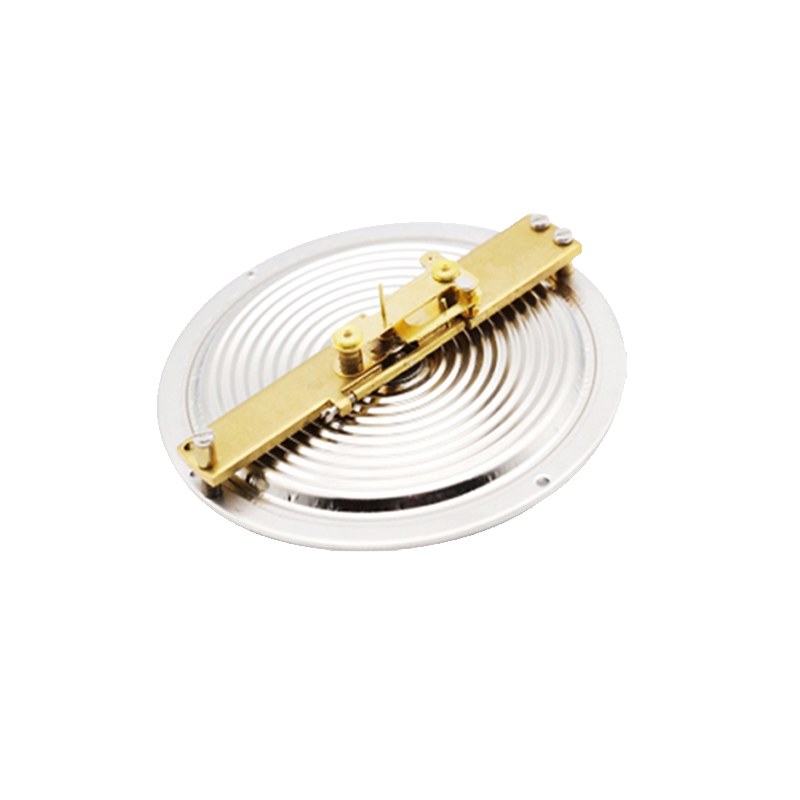
Performance is dictated by several engineering factors. Force analysis on the Bourdon tube is paramount; stress distribution must be uniform to prevent fatigue failure. Environmental resistance is addressed through material selection and sealing techniques. Temperature fluctuations can significantly impact accuracy – gauges are often specified with temperature compensation mechanisms. Compliance requirements depend on the application; for example, gauges used in intrinsically safe environments must meet ATEX or IECEx standards. Functional implementation involves the conversion of the Bourdon tube’s deformation into a readable output. This can be achieved mechanically (direct reading), electrically (using strain gauges or potentiometers), or digitally (with integrated microprocessors and communication protocols). Hysteresis, the difference in readings between increasing and decreasing pressure, is a critical performance parameter minimized through material selection and precise manufacturing. Pressure snobbing, rapid pressure fluctuations, also imposes significant engineering challenges requiring robust damping mechanisms.
Technical Specifications
| Pressure Range (PSI) | Accuracy (±% of Full Scale) | Operating Temperature (°F) | Connection Size (NPT) |
|---|---|---|---|
| 0-1000 | 1.0 | -20 to 180 | 1/4" |
| 0-3000 | 0.5 | -40 to 200 | 1/2" |
| 0-5000 | 1.5 | -20 to 180 | 3/4" |
| 0-10000 | 2.0 | -40 to 200 | 1" |
| 0-20000 | 2.5 | -20 to 180 | 1 1/2" |
| 0-30000 | 3.0 | -40 to 200 | 2" |
Failure Mode & Maintenance
Common failure modes include Bourdon tube rupture due to overpressure or fatigue, seal degradation leading to leakage, window cracking from impact or thermal shock, and calibration drift over time. Fatigue cracking in the Bourdon tube typically originates at stress concentration points, often near the root of the tube. Delamination can occur in composite gauges, particularly with improper bonding. Degradation of polymeric seals can result from incompatible hydraulic fluids or prolonged exposure to high temperatures. Oxidation of metallic components can lead to corrosion and inaccurate readings. Maintenance involves regular visual inspection for leaks or damage, periodic calibration against a traceable standard (at least annually), and proper cleaning to prevent contamination. Replace gauges immediately if damage is detected or calibration is outside acceptable limits. Preventative maintenance includes implementing pressure relief valves in the hydraulic system to prevent overpressure conditions and ensuring the use of compatible hydraulic fluids.
Industry FAQ
Q: What is the impact of pulsation on the lifespan of a hydraulic pressure gauge?
A: Hydraulic system pulsation can significantly reduce gauge lifespan. Constant vibration and pressure spikes induce fatigue in the Bourdon tube, leading to premature failure. Using a gauge with a dampened movement, or installing a pulsation dampener upstream of the gauge, is crucial to mitigate this effect. The correct dampening fluid viscosity must be chosen based on the frequency and amplitude of the pulsations.
Q: How does fluid compatibility affect gauge accuracy and longevity?
A: Incompatible fluids can cause swelling or degradation of seals and polymeric components, leading to leaks and inaccurate readings. Corrosion of metallic parts is also a concern. Always verify that the gauge materials are compatible with the specific hydraulic fluid being used. Refer to the fluid manufacturer’s compatibility charts for guidance.
Q: What are the considerations when selecting a gauge for a high-vibration environment?
A: In high-vibration environments, a liquid-filled gauge (glycerin or silicone oil) is recommended. The fluid dampens the movement, protecting it from vibration damage and improving readability. Additionally, a robust case material and a secure mounting method are essential. Consider a gauge specifically designed for harsh environments with enhanced vibration resistance.
Q: What is the proper procedure for calibrating a hydraulic pressure gauge?
A: Calibration should be performed by a certified calibration laboratory using a NIST-traceable pressure standard. The gauge is subjected to a series of known pressures across its range, and the readings are compared to the standard. Adjustments are made if necessary to ensure accuracy. Documentation of the calibration results, including date, standard used, and any adjustments made, is essential.
Q: What are the benefits of using a digital hydraulic pressure gauge over an analog gauge?
A: Digital gauges offer several advantages, including higher accuracy, improved readability, and the ability to transmit data digitally for remote monitoring and control. They can also incorporate advanced features such as data logging, alarm settings, and multiple unit displays. However, they are generally more expensive and require a power supply.
Conclusion
Hydraulic pressure gauges remain indispensable for maintaining the integrity and efficiency of hydraulic systems across diverse industries. The selection and implementation of these gauges require a thorough understanding of material science, manufacturing processes, performance characteristics, and potential failure modes. Addressing the challenges of accuracy, reliability, and environmental resistance necessitates continuous innovation in gauge design and materials, driven by the demands of increasingly sophisticated hydraulic applications.
Ultimately, a proactive approach to gauge maintenance – including regular calibration, visual inspection, and proper fluid compatibility assessment – is paramount for ensuring long-term performance and preventing costly downtime. Future trends point towards the increased adoption of digital gauges with integrated sensing technologies and wireless communication capabilities, further enhancing the precision and connectivity of hydraulic system monitoring.
 English
  Arabic
  China
China  China (Taiwan)
  Danish
  Dutch
Dutch  French
  German
  Greek
Greek  Hindi
Hindi  Indonesian
  Italian
  Japanese
  Korean
  Latin
Latin  Polish
  Portuguese
  Russian
  Spanish
  Turkish