
Apr . 01, 2024 17:55 Back to list
motorcycle tire pressure gauge Performance Analysis
Introduction
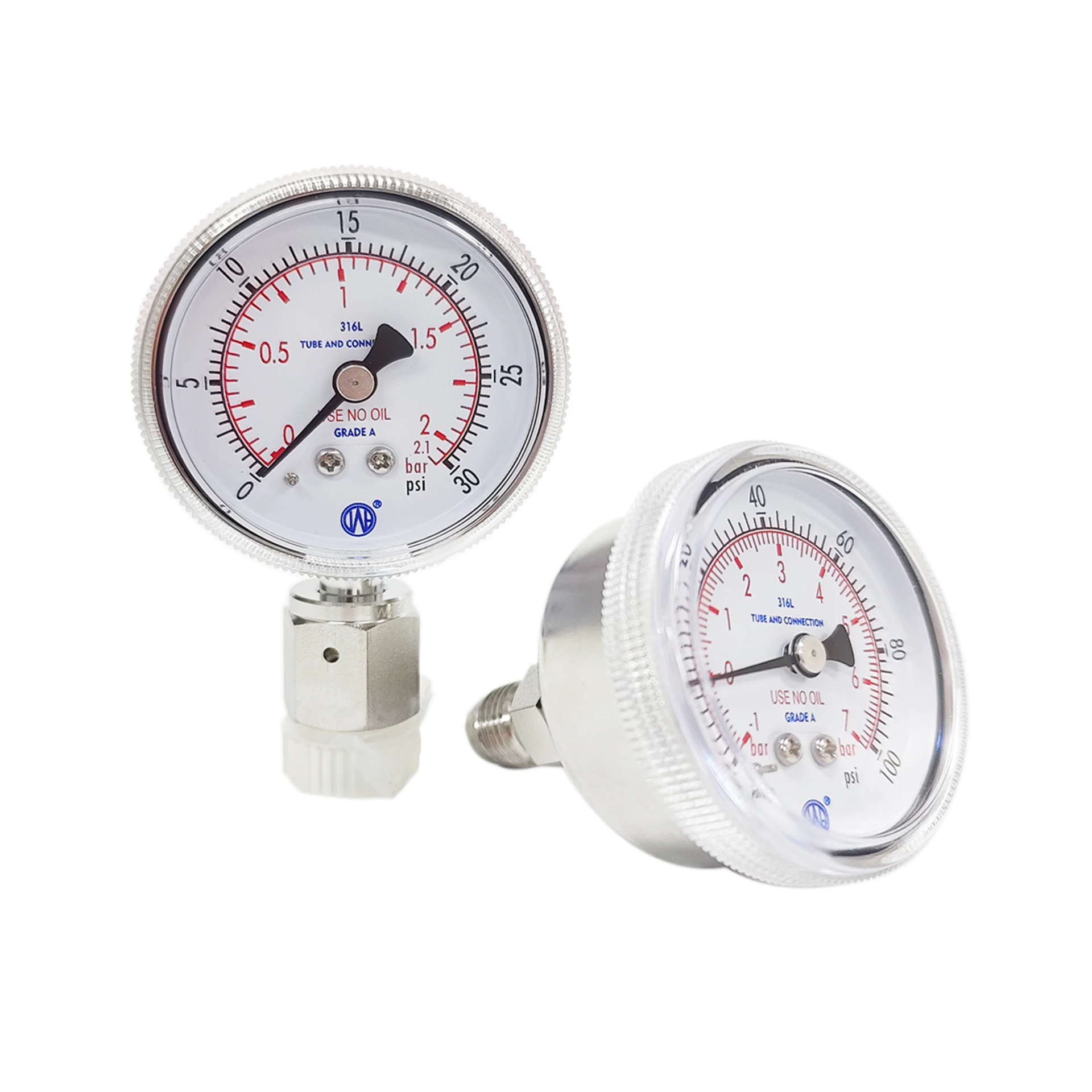
Motorcycle tire pressure gauges are precision instruments utilized to measure and maintain the air pressure within motorcycle tires. Essential for rider safety, tire longevity, and optimal motorcycle handling, these gauges occupy a critical position within the motorcycle maintenance supply chain. They range from simple, analog stick gauges to sophisticated digital models with integrated data logging and wireless connectivity. Core performance characteristics encompass accuracy, repeatability, durability, and ease of use. Maintaining correct tire pressure reduces rolling resistance, improving fuel efficiency, and directly impacts braking distances and cornering stability. Incorrect pressure leads to premature wear, compromised handling, and increased risk of tire failure. The automotive aftermarket, particularly motorcycle-specific retailers and service centers, represent the primary distribution channels.
Material Science & Manufacturing
The construction of motorcycle tire pressure gauges typically involves several key materials. The gauge body is frequently composed of stainless steel (304 or 316) due to its corrosion resistance and durability, or high-impact polymers like ABS or polycarbonate for lower-cost models. The pressure sensing element in analog gauges is a Bourdon tube, usually manufactured from beryllium copper or alloy steel, selected for its elastic properties and resistance to permanent deformation. Digital gauges utilize piezoresistive pressure sensors, commonly silicon-based, integrated with an analog-to-digital converter (ADC) and microcontroller. Manufacturing processes vary based on gauge type. Analog gauges require precision bending and welding of the Bourdon tube, followed by calibration and assembly. Digital gauges involve surface mount technology (SMT) for sensor and circuit board assembly, followed by software programming and calibration. Critical parameters during manufacturing include the heat treatment of metal components to achieve desired hardness and elasticity, dimensional accuracy of the Bourdon tube, and precise calibration of the sensor against NIST-traceable standards. Quality control focuses on leak testing, accuracy verification across the gauge’s range, and drop testing to assess robustness.
Performance & Engineering
The performance of a tire pressure gauge is fundamentally governed by its ability to accurately measure and display pressure. Force analysis dictates the relationship between tire pressure and the deflection of the Bourdon tube (analog) or the electrical resistance of the piezoresistive sensor (digital). Environmental resistance is crucial; gauges must operate reliably across a wide temperature range (-20°C to 60°C) and resist the effects of humidity and exposure to motorcycle fluids (oil, chain lube). Compliance with relevant standards (SAE J1926 for automotive pressure gauges, though not specifically motorcycle, is often referenced) ensures accuracy and repeatability. Digital gauges often incorporate features like automatic shut-off to conserve battery life, backlighting for improved visibility, and units selection (PSI, BAR, kPa). Engineering considerations include minimizing hysteresis (the difference in readings during increasing and decreasing pressure) and ensuring linear output across the entire pressure range. Fatigue analysis is vital to assess the long-term durability of the Bourdon tube and other mechanical components, especially in gauges subjected to frequent use and vibration.
Technical Specifications
| Pressure Range (PSI) | Accuracy (PSI) | Resolution (PSI) | Operating Temperature (°C) |
|---|---|---|---|
| 0-50 | ±1 | 0.5 | -10 to 50 |
| 0-70 | ±1.5 | 0.5 | -20 to 60 |
| 0-100 | ±2 | 1 | -10 to 50 |
| 0-150 | ±2.5 | 1 | -20 to 60 |
| 0-200 | ±3 | 1 | -10 to 50 |
| 0-220 | ±3.5 | 1 | -20 to 60 |
Failure Mode & Maintenance
Common failure modes for motorcycle tire pressure gauges include inaccurate readings due to Bourdon tube fatigue (analog gauges), sensor drift or damage (digital gauges), air leaks at the connection point, and mechanical damage to the gauge body. Fatigue cracking in the Bourdon tube is accelerated by repeated pressure cycling and exposure to corrosive environments. Digital gauges can experience failures due to water ingress damaging the electronics, battery leakage corroding contacts, or damage to the LCD screen. Delamination of the piezoresistive sensor can also occur over time. Oxidation of internal components can also affect accuracy. Preventative maintenance involves regular calibration against a known standard, particularly for professional use. Avoid dropping the gauge, as this can damage the internal mechanism. Store the gauge in a clean, dry environment. For analog gauges, periodically check for leaks around the connection point using soapy water. For digital gauges, replace batteries regularly and avoid exposing the gauge to excessive moisture. If a gauge consistently provides inaccurate readings or exhibits physical damage, it should be replaced. Professional calibration services are available to ensure continued accuracy.
Industry FAQ
Q: What is the acceptable tolerance for a motorcycle tire pressure gauge?
A: Generally, an acceptable tolerance is ±1 PSI for gauges measuring up to 70 PSI, and ±2 PSI for gauges measuring above 70 PSI. However, for racing applications, tighter tolerances of ±0.5 PSI are often preferred.
Q: How often should a tire pressure gauge be calibrated?
A: For professional use (e.g., motorcycle shops), calibration should be performed at least annually, or more frequently if the gauge is used heavily. For personal use, calibration every 2-3 years is recommended, or if you suspect the gauge is inaccurate.
Q: Are digital tire pressure gauges more accurate than analog gauges?
A: Digital gauges can be more accurate due to their precise electronic sensors, but this depends on the quality of the gauge and the calibration. A well-maintained, high-quality analog gauge can provide acceptable accuracy for most applications.
Q: What impact does temperature have on tire pressure readings?
A: Temperature affects tire pressure. As tire temperature increases, pressure rises; as temperature decreases, pressure drops. Readings should ideally be taken with tires at ambient temperature for the most consistent results.
Q: What is the best way to check tire pressure accurately?
A: Always use a gauge that is calibrated. Check pressure when the tires are cold. Use a quick, firm push when attaching the gauge to the valve stem to avoid air loss. Take multiple readings and average them for best results.
Conclusion
Motorcycle tire pressure gauges are indispensable tools for ensuring safe and optimal motorcycle operation. Their accuracy is paramount, relying on robust material science, precise manufacturing processes, and regular calibration. Understanding the potential failure modes and implementing preventative maintenance measures extends the lifespan and reliability of these instruments.
The trend towards digital gauges with advanced features like wireless connectivity and data logging is expected to continue, driven by the increasing demand for precise tire management and performance optimization. As motorcycles become increasingly sophisticated, the role of accurate tire pressure monitoring will only become more critical for both safety and performance.
 English
  Arabic
  China
China  China (Taiwan)
  Danish
  Dutch
Dutch  French
  German
  Greek
Greek  Hindi
Hindi  Indonesian
  Italian
  Japanese
  Korean
  Latin
Latin  Polish
  Portuguese
  Russian
  Spanish
  Turkish