
Apr . 01, 2024 17:55 Back to list
oil pressure gauge kit Performance Analysis
Introduction
The oil pressure gauge kit is a critical monitoring system employed across diverse internal combustion engine applications, including automotive, heavy machinery, marine, and power generation. Its function is to provide a real-time indication of oil pressure within the lubrication system, a vital parameter for ensuring engine health and preventing catastrophic failure. Positioned within the engine monitoring chain, the kit comprises a pressure transducer, a gauge (analog or digital), and associated fittings and wiring. Core performance is defined by accuracy, responsiveness, durability in harsh operating environments, and adherence to industry safety standards. The increasing complexity of modern engines, coupled with demands for optimized performance and extended service life, drives the need for highly precise and reliable oil pressure monitoring solutions. A primary pain point in the industry is the susceptibility of traditional mechanical gauges to inaccuracies due to temperature fluctuations, vibration, and physical damage, leading to potential misdiagnosis and preventative maintenance failures.
Material Science & Manufacturing
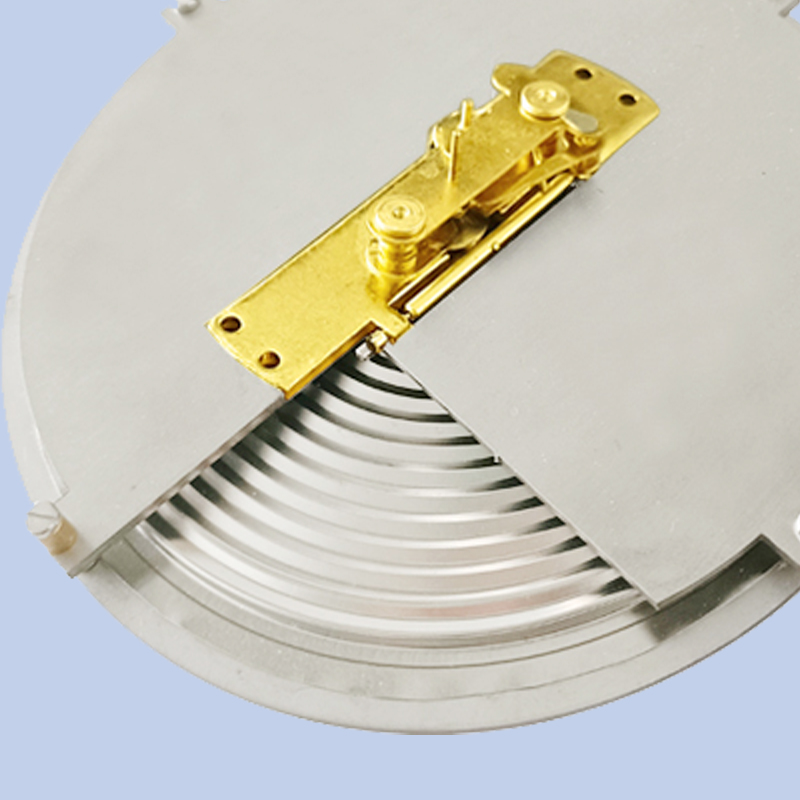
The core components of an oil pressure gauge kit necessitate diverse material choices to withstand demanding conditions. Pressure transducers commonly utilize stainless steel (316L or 17-4 PH) for the sensing element due to its corrosion resistance to engine oil and ability to withstand high pressures. Diaphragms are often constructed from nickel-chromium alloys (like Inconel) for superior fatigue resistance and temperature stability. Gauge housings frequently employ ABS plastic or polycarbonate for lightweight durability, while connection fittings are typically brass or stainless steel. Manufacturing processes vary depending on the component. Transducers utilize piezoresistive or capacitive sensing technology, requiring precision micro-machining and semiconductor fabrication. Gauge faces are produced via printing and assembly processes, ensuring accurate scale calibration. Fittings are manufactured through CNC machining or forging followed by precision threading. Critical parameter control involves maintaining tight tolerances on diaphragm dimensions, sensor calibration, and fitting thread engagement. Welding processes, where applicable, must be performed under controlled atmospheres to prevent oxidation and maintain material integrity. Oil compatibility testing is crucial; materials must exhibit no degradation or swelling when exposed to various oil formulations. Electrically conductive components require careful insulation to prevent short circuits and maintain signal accuracy.
Performance & Engineering
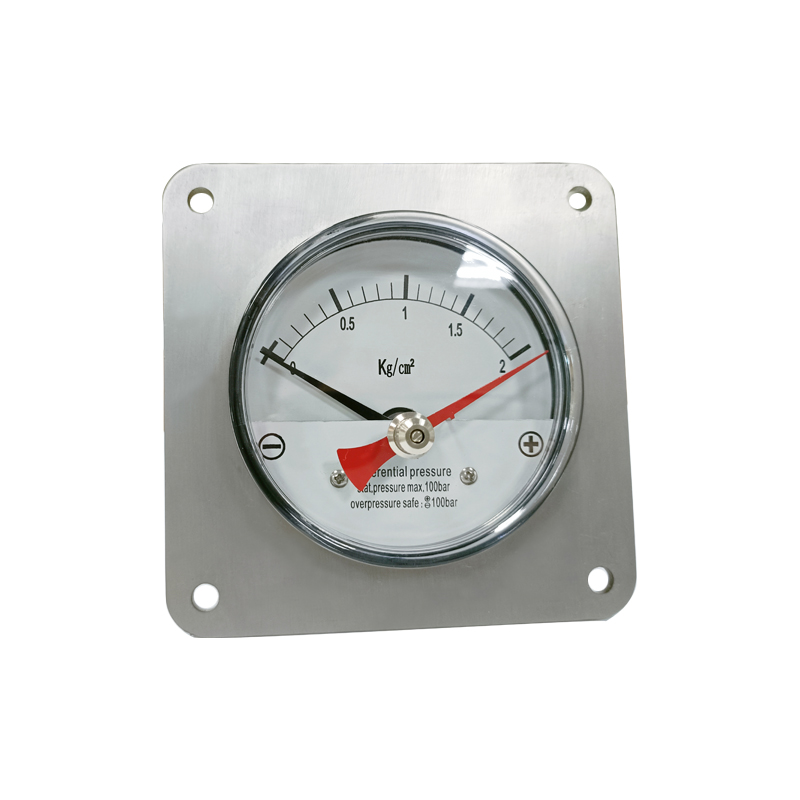
Performance analysis of oil pressure gauge kits centers around accuracy, linearity, hysteresis, and response time. Accuracy is typically specified as a percentage of full scale (e.g., ±1% FS), defining the maximum permissible deviation from the true pressure value. Linearity assesses the consistency of the output signal across the pressure range. Hysteresis quantifies the difference in output for increasing versus decreasing pressure, indicating the system's memory effect. Response time, measured in milliseconds, reflects the speed at which the gauge reacts to pressure changes. Force analysis involves evaluating the stress distribution within the transducer housing under maximum pressure, ensuring structural integrity and preventing rupture. Environmental resistance testing encompasses exposure to temperature extremes (-40°C to 125°C), vibration, shock, and corrosive fluids. Compliance requirements include electromagnetic compatibility (EMC) testing (to minimize interference) and adherence to relevant automotive or marine standards. Functional implementation considers signal conditioning circuitry (amplification, filtering, and linearization) and display characteristics (resolution, refresh rate, and backlighting). The selection of appropriate signal transmission methods (analog, digital, or CAN bus) is crucial for reliable data communication. Proper grounding and shielding are essential for minimizing noise and ensuring signal integrity.
Technical Specifications
| Parameter | Typical Value (Analog Gauge) | Typical Value (Digital Gauge) | Units |
|---|---|---|---|
| Pressure Range | 0-100 PSI | 0-7 Bar | PSI / Bar |
| Accuracy | ±2% FS | ±1% FS | % of Full Scale |
| Resolution | 1 PSI | 0.1 Bar | PSI / Bar |
| Operating Temperature | -20°C to 80°C | -20°C to 80°C | °C |
| Connection Type | 1/8” NPT | 1/8” NPT | Thread Size |
| Power Supply | None (Mechanical) | 9-32 VDC | Volts |
Failure Mode & Maintenance
Oil pressure gauge kits are susceptible to several failure modes. Mechanical gauges can experience bourdon tube fatigue cracking due to repeated pressure cycling, leading to inaccurate readings or complete failure. Sensor drift in electronic transducers, often caused by temperature fluctuations or contamination, results in inaccurate pressure measurements. Connection fitting leaks can occur due to thread damage or improper sealing, leading to pressure loss and oil contamination. Wiring failures, including corrosion or broken connections, can interrupt the signal transmission. Digital gauges may exhibit display malfunctions due to component failure or software errors. Failure analysis typically involves visual inspection for physical damage, leak testing to identify fitting failures, and electrical testing to verify sensor output and wiring integrity. Preventive maintenance includes periodic calibration of sensors, inspection of fittings for leaks, and cleaning of the gauge face and housing. Regular oil changes and filtration prevent contamination that can damage the transducer. Protecting wiring from abrasion and exposure to harsh environments extends its service life. Replacement of damaged components is critical to restore accurate and reliable operation. Ignoring early signs of failure, such as fluctuating readings or oil leaks, can lead to catastrophic engine damage.
Industry FAQ
Q: What is the difference between a mechanical and a digital oil pressure gauge, and which is more reliable?
A: Mechanical gauges rely on a bourdon tube to translate pressure into a physical movement, while digital gauges utilize a pressure transducer to convert pressure into an electrical signal processed and displayed digitally. Digital gauges generally offer higher accuracy, better resolution, and the ability to integrate with data logging systems. However, mechanical gauges are simpler and do not require a power source. Reliability depends on the quality of construction and operating conditions; high-quality digital gauges with robust sensors often prove more reliable in demanding environments, minimizing drift and susceptibility to vibration.
Q: What pressure range should I choose for my application?
A: The appropriate pressure range depends on the engine's typical operating pressure. Consult the engine manufacturer's specifications to determine the normal oil pressure range. Select a gauge with a range that slightly exceeds the maximum expected pressure to provide a safety margin and ensure accurate readings across the engine's operating envelope. Using a gauge with a range that is too high will reduce resolution, making it difficult to detect small pressure fluctuations.
Q: How do I calibrate an oil pressure gauge?
A: Calibration typically requires a precision pressure calibrator capable of generating known pressures. Connect the gauge to the calibrator and apply a series of pressures across the gauge's range. Compare the gauge's readings to the calibrator's output and adjust the gauge's calibration settings (if adjustable) to minimize the difference. Digital gauges often have built-in calibration routines, while mechanical gauges may require professional calibration services.
Q: What causes erratic readings on an oil pressure gauge?
A: Erratic readings can be caused by several factors, including air in the system, a failing pressure transducer, a loose electrical connection, or electrical interference. Bleeding the system to remove air, inspecting wiring connections, and replacing a faulty transducer are potential solutions. Additionally, check for obstructions in the oil passages that might create pressure fluctuations.
Q: Is the material compatibility of the gauge with different engine oil types a concern?
A: Yes, material compatibility is crucial. The pressure transducer and fittings must be constructed from materials resistant to degradation from various engine oil formulations (conventional, synthetic, and semi-synthetic). Stainless steel and nickel-chromium alloys are generally compatible with most oil types, but it’s vital to consult material safety data sheets (MSDS) for specific oil compatibility information and confirm the gauge manufacturer's recommendations.
Conclusion
The oil pressure gauge kit remains an indispensable component for ensuring the longevity and reliable operation of internal combustion engines. A comprehensive understanding of the underlying material science, manufacturing processes, and performance characteristics is paramount for selecting and maintaining an effective monitoring system. The industry trend towards digitalization and integration with advanced engine control systems drives the demand for high-accuracy, robust, and digitally-enabled oil pressure gauges.
Future developments will likely focus on wireless communication, predictive maintenance algorithms based on oil pressure data, and integration with vehicle health monitoring platforms. Proper installation, regular calibration, and proactive maintenance are essential to mitigate failure modes and maximize the lifespan of these critical devices. Prioritizing quality, compatibility, and adherence to industry standards will continue to be key factors in ensuring optimal performance and preventing costly engine damage.
 English
  Arabic
  China
China  China (Taiwan)
  Danish
  Dutch
Dutch  French
  German
  Greek
Greek  Hindi
Hindi  Indonesian
  Italian
  Japanese
  Korean
  Latin
Latin  Polish
  Portuguese
  Russian
  Spanish
  Turkish