
Apr . 01, 2024 17:55 Back to list
tire pressure gauges Material Science Manufacturing
Introduction
Tire pressure gauges are critical instruments used to measure and maintain the air pressure within pneumatic tires. Functionally positioned within the automotive aftermarket and preventative maintenance sectors, these devices are integral to vehicle safety, fuel efficiency, and tire longevity. Modern tire pressure gauges range from simple mechanical designs to sophisticated digital models utilizing strain gauge technology. Core performance characteristics include accuracy, repeatability, and durability. Incorrect tire pressure leads to uneven wear, reduced handling performance, increased rolling resistance, and potential tire failure – creating a significant demand for reliable and precise measurement tools. The industry faces ongoing challenges related to calibration standards, sensor drift in digital gauges, and the need for robust construction to withstand harsh operating environments.
Material Science & Manufacturing
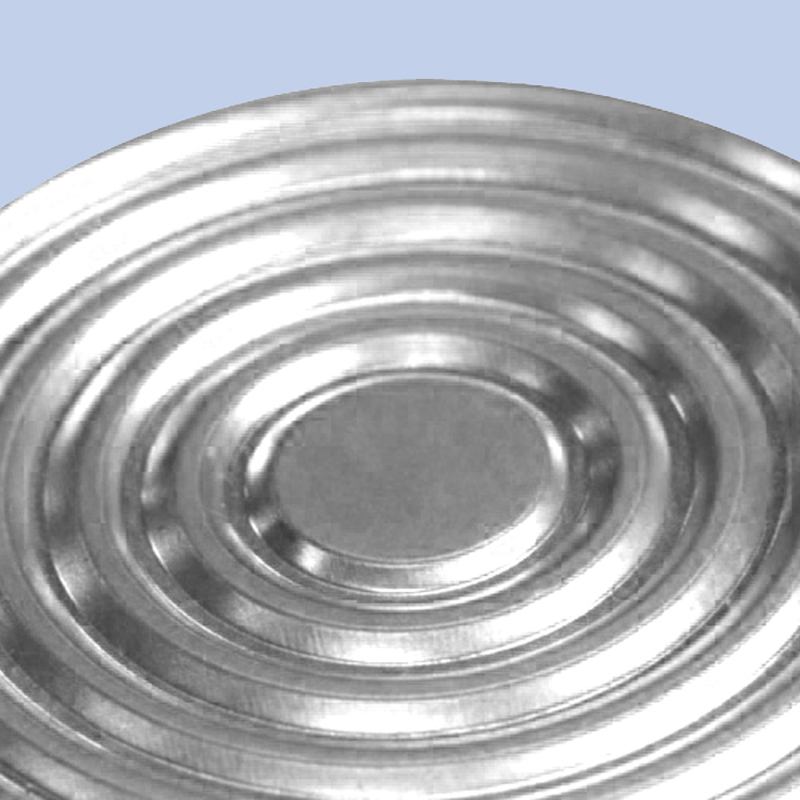
The construction of tire pressure gauges incorporates a diverse range of materials selected for their specific properties. Mechanical gauges typically employ a Bourdon tube, fabricated from spring steel (specifically, high-carbon steel like AISI 1095) heat-treated to achieve optimal elasticity and yield strength. The gauge housing is commonly constructed from brass (C36000 alloy) for its corrosion resistance and machinability, or from aluminum alloys (6061-T6) for lighter weight applications. Digital gauges incorporate piezoresistive silicon pressure sensors, often encapsulated in stainless steel (304 or 316) for protection. The sensor’s diaphragm is subjected to precise etching processes to define its sensitivity. Manufacturing processes vary significantly. Mechanical gauges involve precision bending and welding of the Bourdon tube, followed by meticulous calibration. Digital gauges necessitate semiconductor fabrication, circuit board assembly, and complex calibration procedures utilizing NIST-traceable pressure standards. Key parameter control during Bourdon tube manufacturing involves maintaining consistent wall thickness and achieving a smooth, continuous curve. For digital sensors, precise doping levels and thin-film deposition are critical. The manufacturing of the gauge face often utilizes polycarbonate for clarity and impact resistance, while the protective lens is typically made from tempered glass or acrylic. Adhesives used in assembly must exhibit resistance to automotive fluids and temperature fluctuations.
Performance & Engineering
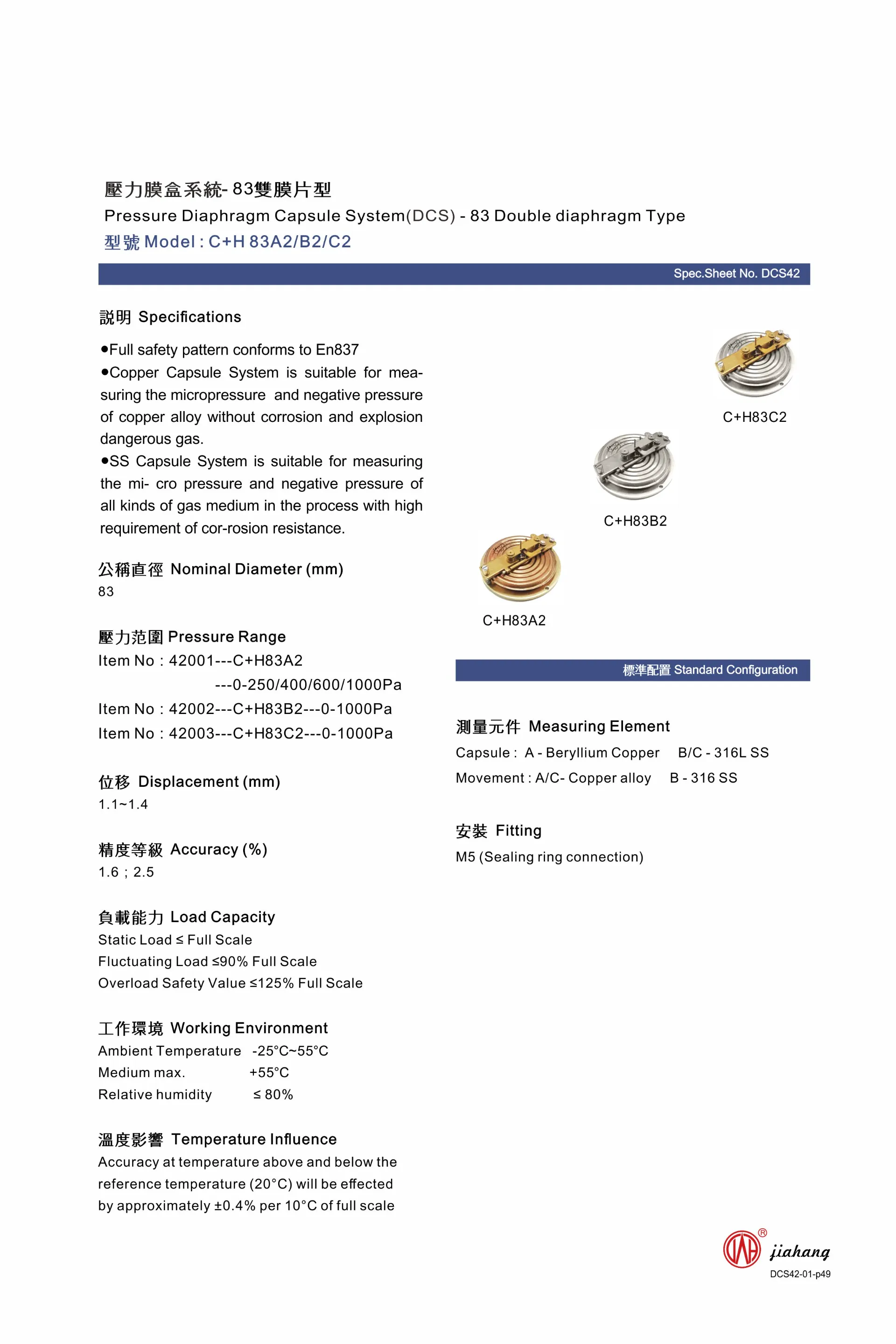
The performance of a tire pressure gauge is dictated by its ability to accurately translate pneumatic pressure into a readable format. This involves several engineering considerations. Force analysis focuses on the stress distribution within the Bourdon tube (mechanical gauges) or the silicon diaphragm (digital gauges) under pressure. Finite Element Analysis (FEA) is commonly used to optimize the design and predict material behavior. Environmental resistance is a critical factor; gauges must withstand temperature fluctuations (-40°C to 85°C), humidity, and exposure to road salts and automotive fluids. Compliance requirements are stringent, particularly regarding accuracy standards (SAE J1926, ISO 4413). Digital gauges leverage analog-to-digital converters (ADCs) and sophisticated signal processing algorithms to minimize noise and enhance resolution. The display (LCD or LED) must maintain clarity under varying lighting conditions. Engineering design also considers ergonomics – ensuring comfortable grip, easy readability, and durable construction to withstand repeated use and potential drops. The rotational linkage in mechanical gauges is subjected to wear; materials and lubrication must be selected to minimize friction and hysteresis. Calibration procedures are vital; gauges are typically calibrated against a primary pressure standard, ensuring traceability to national metrology institutes. Overpressure protection mechanisms are implemented to prevent damage to the sensing element.
Technical Specifications
| Accuracy | Pressure Range | Resolution | Operating Temperature |
|---|---|---|---|
| ± 1.5% of Full Scale | 30-50 PSI (2.1 - 3.4 bar) | 0.5 PSI (0.03 bar) | -20°C to 60°C (-4°F to 140°F) |
| ± 1% of Full Scale | 0-60 PSI (0-4.1 bar) | 0.1 PSI (0.007 bar) | -10°C to 50°C (14°F to 122°F) |
| ± 0.5% of Reading | 5-150 PSI (0.3 - 10.3 bar) | 0.01 PSI (0.0007 bar) | 0°C to 70°C (32°F to 158°F) |
| ± 2% of Full Scale | 0-100 PSI (0-6.9 bar) | 1 PSI (0.07 bar) | -30°C to 80°C (-22°F to 176°F) |
| ± 0.3% of Reading | 10-200 PSI (0.7 - 13.8 bar) | 0.005 PSI (0.0003 bar) | -15°C to 65°C (5°F to 149°F) |
| ± 1.0% of Full Scale | 60-120 PSI (4.1 - 8.3 bar) | 1.0 PSI (0.07 bar) | -25°C to 75°C (-13°F to 167°F) |
Failure Mode & Maintenance
Tire pressure gauges are susceptible to several failure modes. Mechanical gauges can experience Bourdon tube fatigue cracking due to repeated flexing, leading to inaccurate readings or complete failure. Corrosion of internal components, particularly in harsh environments, is another common issue. Digital gauges can fail due to sensor drift, caused by temperature fluctuations or prolonged exposure to vibrations. Battery depletion is a frequent problem. Printed circuit board (PCB) failures, resulting from moisture ingress or component degradation, can also occur. Common maintenance practices include periodic calibration against a known pressure standard. For mechanical gauges, lubrication of moving parts can reduce friction and improve accuracy. Digital gauges require battery replacement and protection from extreme temperatures and moisture. Regular visual inspection for physical damage (cracks, leaks, broken displays) is essential. Failure analysis should consider the operating environment and usage history. If a gauge consistently provides inaccurate readings after calibration, it should be replaced. Preventative maintenance programs should include scheduled calibration and replacement of gauges based on their service life.
Industry FAQ
Q: What is the typical calibration cycle for a digital tire pressure gauge used in a commercial fleet?
A: For commercial fleets, a calibration cycle of every 6-12 months is recommended, depending on the frequency of use and the severity of the operating environment. More frequent calibration may be necessary if the gauges are exposed to significant vibrations or extreme temperatures. Traceability to NIST standards is crucial for documentation and regulatory compliance.
Q: How does temperature affect the accuracy of a mechanical tire pressure gauge?
A: Temperature affects the spring constant of the Bourdon tube, leading to variations in accuracy. Higher temperatures generally decrease the spring constant, resulting in lower readings. Calibration should be performed at the operating temperature to minimize errors. Consideration should also be given to thermal expansion of the gauge housing.
Q: What are the primary causes of sensor drift in digital tire pressure gauges?
A: Sensor drift is primarily caused by long-term exposure to temperature cycling, shock, and vibration. Contamination of the sensor diaphragm can also contribute to drift. The internal electronics of the gauge can also experience component aging, affecting calibration.
Q: What material composition is best suited for a Bourdon tube intended for use in corrosive environments?
A: For corrosive environments, a stainless steel Bourdon tube (316 or 304) is recommended due to its superior corrosion resistance compared to standard spring steel. Coatings, such as nickel plating, can further enhance corrosion protection.
Q: What is the importance of the resolution specification when selecting a tire pressure gauge?
A: Resolution defines the smallest increment of pressure the gauge can display. Higher resolution (e.g., 0.01 PSI) is crucial for applications requiring precise pressure settings, such as high-performance vehicles or racing. Lower resolution gauges (e.g., 1 PSI) are sufficient for general automotive use.
Conclusion
Tire pressure gauges, despite their seemingly simple function, represent a confluence of materials science, precision engineering, and metrological accuracy. The selection of appropriate materials, meticulous manufacturing processes, and rigorous calibration procedures are paramount to ensuring reliable and consistent performance. Understanding the potential failure modes and implementing preventative maintenance strategies are crucial for extending the service life and maintaining the integrity of these essential instruments.
Future advancements in tire pressure gauge technology will likely focus on wireless connectivity, improved sensor accuracy, and enhanced durability. Integration with vehicle telematics systems will enable real-time monitoring of tire pressure and automated alerts for underinflation. The development of self-calibrating gauges and the utilization of advanced materials will further enhance the reliability and longevity of these critical components.
 English
  Arabic
  China
China  China (Taiwan)
  Danish
  Dutch
Dutch  French
  German
  Greek
Greek  Hindi
Hindi  Indonesian
  Italian
  Japanese
  Korean
  Latin
Latin  Polish
  Portuguese
  Russian
  Spanish
  Turkish