



Apr . 01, 2024 17:55 Back to list
Horse Stable Construction how to build a horse stable
Introduction
A horse stable is a specialized structure designed to provide shelter and containment for equine animals. Positioned within the agricultural and animal husbandry industries, its construction represents a critical intersection of structural engineering, animal welfare science, and material durability. Stable construction is not merely erecting a building; it’s about creating a controlled environment minimizing stress on the animal, maximizing ventilation, and providing structural integrity to withstand significant dynamic loading from a large animal. Core performance aspects encompass structural load bearing capacity, thermal regulation, hygiene maintenance, fire resistance, and security against escape or intrusion. This guide details the comprehensive construction process, focusing on material selection, engineering principles, and long-term maintenance strategies for robust, safe, and compliant horse stable construction.
Material Science & Manufacturing
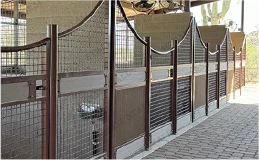
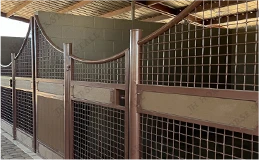
Stable construction relies on a range of materials, each with specific properties impacting longevity and performance. Timber, specifically pressure-treated softwood (e.g., Douglas Fir, Southern Yellow Pine), is a primary structural component due to its high tensile strength relative to weight and cost-effectiveness. Pressure treatment, employing copper azole or alkaline copper quaternary (ACQ), extends the timber’s resistance to fungal decay and insect infestation. Steel, particularly hot-rolled steel sections (I-beams, box sections), provides superior load-bearing capacity for roof supports and large span structures. Concrete foundations, utilizing a mix of Portland cement, aggregates (gravel and sand), and water, ensure a stable and level base. For stall divisions and wall cladding, materials include hardwood (oak, maple) for robustness, and oriented strand board (OSB) or plywood, often clad with galvanized steel sheeting to prevent chewing and improve fire resistance. Manufacturing processes include lumber sawing and drying, steel rolling and welding, concrete mixing and pouring, and metal fabrication. Critical parameter control includes wood moisture content (below 20% to prevent warping), steel weld integrity (meeting AWS D1.1 standards), concrete compressive strength (minimum 25 MPa), and metal coating thickness (minimum 80 μm for galvanization). Correct installation of drainage systems is also essential to control moisture and manage waste.
Performance & Engineering
Stable design necessitates rigorous performance and engineering considerations. Structural analysis must account for static loads (weight of materials, snow load) and dynamic loads (horse movement, impact forces). The roof structure requires deflection calculations to prevent sagging and water accumulation. Wall stability requires bracing to resist lateral forces from wind and equine pressure. Ventilation is paramount, requiring an air exchange rate of at least 8-12 air changes per hour to minimize ammonia and dust buildup, which can lead to respiratory issues in horses. Natural ventilation, achieved through strategically placed windows and doors, must be supplemented with mechanical ventilation in enclosed spaces. Drainage systems must efficiently remove urine and wash water, preventing the buildup of harmful bacteria and odors. Fire resistance is crucial; utilizing non-combustible materials like steel sheeting and fire-retardant treated wood is essential. Compliance requirements include adherence to local building codes, animal welfare regulations (regarding stall size and ventilation), and potentially zoning restrictions. Stall dimensions should meet minimum standards (typically 12ft x 12ft for standard horses) as dictated by equine welfare guidelines. Consideration of footing material for stall floors (e.g., rubber mats, straw, shavings) is also a critical performance factor, impacting horse comfort and joint health. The structural design must also account for the potential for horses to kick or push against walls.
Technical Specifications
| Material | Property | Specification | Test Method |
|---|---|---|---|
| Pressure-Treated Timber | Density | ≥ 500 kg/m³ | ASTM D2395 |
| Pressure-Treated Timber | Treatment Retention | ≥ 0.4 kg/m³ (CCA) or equivalent ACQ | AWPA U1 |
| Steel (Structural) | Yield Strength | ≥ 345 MPa | ASTM A36 |
| Steel (Galvanized Sheeting) | Coating Thickness | ≥ 80 μm | ASTM A653 |
| Concrete (Foundation) | Compressive Strength | ≥ 25 MPa (at 28 days) | ASTM C39 |
| OSB (Wall Cladding) | Modulus of Rupture | ≥ 27 MPa | ASTM D1037 |
Failure Mode & Maintenance
Horse stables are susceptible to several failure modes. Timber can suffer from rot, decay, and insect damage if not properly treated and maintained. Steel is prone to corrosion, particularly in humid environments. Concrete can crack due to settlement, temperature fluctuations, or excessive loading. Fasteners (nails, screws, bolts) can loosen over time due to vibration and animal movement. Common failure modes include wood splitting, steel rust, concrete spalling, roof leaks, and stall wall failure. Preventative maintenance is crucial. Regular inspection of timber for signs of decay, re-application of wood preservative, and steel corrosion control (painting, galvanizing) are essential. Concrete cracks should be sealed promptly to prevent water ingress and further deterioration. Fasteners should be tightened or replaced as needed. Roof drainage systems should be cleared of debris to ensure proper water runoff. Stall bedding needs regular removal to prevent ammonia build-up. Furthermore, addressing horse-induced damage (chewing on wood, kicking walls) requires timely repair or replacement of affected materials. Detailed logs of inspections and maintenance should be kept for long-term monitoring.
Industry FAQ
Q: What is the optimal stall size for a 16-hand (64 inches) warmblood horse?
A: While minimum recommendations often state 12ft x 12ft, for a 16-hand warmblood, a stall size of 14ft x 12ft is highly recommended to provide adequate space for comfortable movement, turning, and lying down without risk of injury. Larger stalls reduce stress and improve equine welfare.
Q: What type of ventilation system is most effective in a fully enclosed stable?
A: A combination of natural and mechanical ventilation is the most effective approach. Natural ventilation through high-level vents and strategically placed windows should be supplemented by exhaust fans capable of providing 8-12 air changes per hour. Consider a computerized ventilation system with sensors to automatically adjust fan speed based on ammonia and temperature levels.
Q: What are the key considerations when selecting flooring for horse stalls?
A: Flooring should prioritize horse comfort, hygiene, and safety. Rubber mats provide cushioning, reduce joint stress, and are easy to clean. Straw or wood shavings offer absorbency but require frequent replacement. Avoid hard surfaces like concrete without adequate bedding as they can cause lameness. Ensure the flooring provides adequate traction to prevent slipping.
Q: How can I prevent wood rot in a timber-framed stable?
A: Utilize pressure-treated timber with appropriate retention levels. Ensure proper drainage around the stable foundation to prevent moisture buildup. Regularly inspect timber for signs of decay and apply a wood preservative annually. Maintain adequate ventilation to reduce humidity within the stable.
Q: What fire safety measures should be implemented in a horse stable?
A: Use fire-retardant treated wood where possible. Install smoke detectors and fire extinguishers readily accessible throughout the stable. Keep combustible materials (hay, bedding) stored away from potential ignition sources. Implement a clear evacuation plan and conduct regular fire drills.
Conclusion
The construction of a durable and functional horse stable demands a thorough understanding of material science, engineering principles, and animal welfare requirements. Selecting appropriate materials, applying rigorous quality control during manufacturing, and implementing a comprehensive preventative maintenance program are critical to ensure the long-term structural integrity and habitability of the stable.
Future advancements in stable design may incorporate sustainable building materials, smart sensor technologies for environmental monitoring, and automated waste management systems. Prioritizing horse comfort and safety, coupled with adherence to industry standards and regulations, will continue to be paramount in the evolution of horse stable construction.
-
Star Stable Horses Technical Analysis
-
Horse Stabling Material Science and Performance
-
horse stable stardew Performance Analysis
-
Horse riding stables near me Performance and Engineering
-
horse stables in minecraft Performance Analysis
-
Horse Stable Urine Performance Analysis
-
Stable and Horse Structural Engineering
-
Horses in the stable Material Science and Manufacturing
-
horse boarding stables Material Science and Manufacturing
-
Horse Stabling Material Science and Performance
-
horse stables Material Science and Manufacturing
-
minecraft horse stable Performance Analysis
-
horse stable minecraft Structural Analysis
-
Horse Stables Near Me Performance and Engineering
-
Horse Stable Construction Performance Analysis