



Apr . 01, 2024 17:55 Back to list
Horse Stabling Costs how much does it cost to stable a horse
Introduction
The cost to stably maintain a horse is a complex calculation extending beyond simply providing shelter. It encompasses a multifaceted system of resource allocation, labor, and specialized infrastructure critical to equine health, performance, and welfare. This guide will dissect the total cost of horse keeping, evaluating factors impacting budget, from basic boarding to comprehensive training and veterinary care. The equine industry, heavily reliant on consistent resource management, faces ongoing pressures related to feed costs, labor shortages, and increasing veterinary expenses. Understanding these cost drivers is paramount for owners, stable managers, and equine-related businesses to ensure financial sustainability and optimal animal care. This detailed analysis focuses on the North American market, recognizing regional variations will exist.
Material Science & Manufacturing
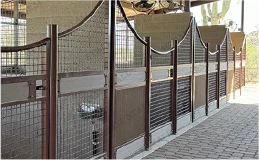
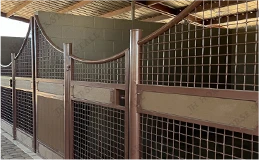
While seemingly unrelated, material science and manufacturing are integral to the economics of horse keeping. Stable construction materials dramatically influence both initial capital outlay and long-term maintenance costs. Traditionally, stables utilize wood (pine, oak, pressure-treated lumber) for stall construction. Wood’s inherent porosity necessitates regular treatment with preservatives to mitigate fungal growth and insect infestation, increasing lifecycle costs. Modern alternatives include powder-coated steel and high-density polyethylene (HDPE) plastic. Steel offers superior structural integrity and durability but is prone to corrosion in humid environments requiring galvanization or specialized coatings. HDPE is chemically inert, impact resistant, and easily sanitized, but may be more expensive upfront. Bedding materials – straw, wood shavings (pine, poplar), peat moss, and rubber mats – represent a significant consumable cost. Straw, while initially inexpensive, decomposes rapidly requiring frequent replacement and generates substantial waste. Wood shavings offer better absorbency but are susceptible to dust inhalation issues for both horses and handlers. Rubber mats, although a higher initial investment, reduce bedding consumption, labor, and provide cushioning. Flooring composition directly impacts hoof health and reduces the risk of musculoskeletal injuries. The manufacturing of feed processing equipment (mills, mixers, pelletizers) influences feed cost and consistency. Modern pelleting technology enhances nutrient density and reduces waste. Finally, fencing materials (wood, vinyl, electric wire) impact safety and maintenance schedules.
Performance & Engineering
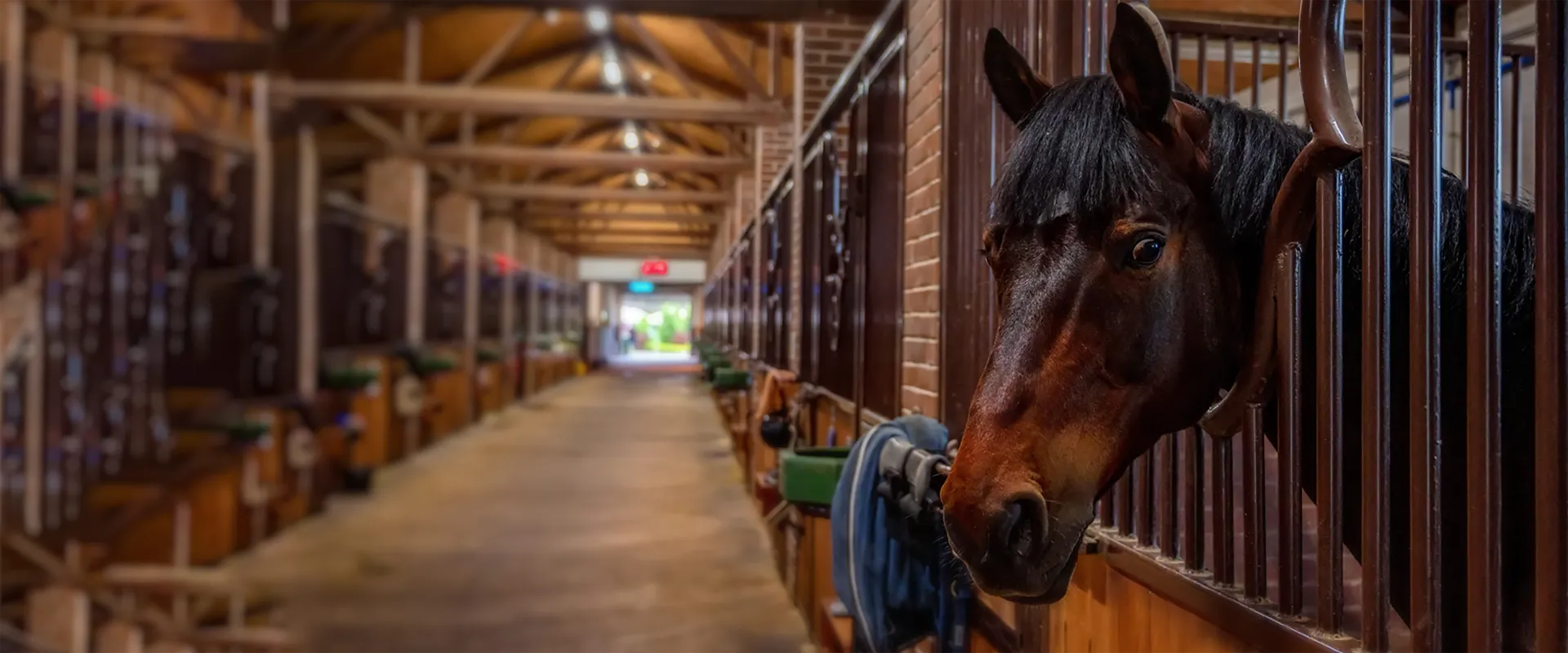
Equine stable design and maintenance necessitate an understanding of structural engineering principles and environmental control. Stall dimensions must adhere to industry best practices, providing adequate space for the horse to lie down, stand, and turn around comfortably. Poor stall design can lead to pressure sores, laminitis, and behavioral issues. Ventilation is critical to remove ammonia, dust, and moisture, preventing respiratory problems. Natural ventilation, while cost-effective, can be inconsistent. Mechanical ventilation systems (fans, exhaust systems) offer greater control but require energy consumption and maintenance. Drainage systems are essential to prevent manure buildup and potential contamination of water sources. Proper footing materials in arenas and paddocks impact concussion forces and reduce the risk of musculoskeletal injuries. Force analysis is used to determine appropriate materials and depths for footing. Environmental resistance to weather extremes (heat, cold, precipitation) necessitates insulation, roofing materials, and drainage solutions. Compliance with local zoning regulations and building codes is paramount. Furthermore, biosecurity protocols (quarantine procedures, sanitation practices) are essential to prevent the spread of infectious diseases, impacting veterinary costs and herd health. Stable management plans must address manure management, fly control, and waste disposal adhering to environmental regulations.
Technical Specifications
| Cost Component | Low-End Estimate (USD/Month) | Mid-Range Estimate (USD/Month) | High-End Estimate (USD/Month) |
|---|---|---|---|
| Boarding (Basic) | $300 | $600 | $1,200 |
| Feed (Hay/Grain) | $200 | $400 | $800 |
| Veterinary Care (Routine) | $50 | $150 | $300 |
| Farrier Services | $75 | $150 | $300 |
| Bedding (Straw/Shavings) | $50 | $100 | $200 |
| Insurance (Liability/Mortality) | $30 | $75 | $200 |
Failure Mode & Maintenance
The failure modes associated with horse keeping infrastructure are diverse. Wood stall components are susceptible to rot, insect damage, and structural fatigue leading to panel failure or collapse. Regular inspection and preservative treatment are crucial preventative measures. Steel stall components can corrode, particularly in areas exposed to urine and moisture, leading to weld failure or rust-through. Protective coatings and regular cleaning are essential. Bedding materials can harbor mold and bacteria, leading to respiratory issues. Proper storage and frequent replacement are vital. Fencing materials can break due to weather damage, impact from horses, or material degradation. Routine inspection and repair are necessary. Roofing systems are vulnerable to leaks and structural damage from storms. Regular inspections and maintenance are essential. Veterinary equipment (dental floats, endoscopes) requires calibration and maintenance to ensure accurate function. Feed storage facilities can be compromised by rodents and insects, leading to feed spoilage. Secure storage and pest control measures are critical. Failure of the ventilation system can lead to poor air quality and respiratory problems. Regular filter replacement and fan maintenance are necessary. Preventative maintenance programs, encompassing regular inspections, repairs, and replacements, are essential to minimize downtime and ensure the longevity of the stable infrastructure and optimal equine health.
Industry FAQ
Q: What is the typical annual cost of emergency veterinary care for a horse?
A: Emergency veterinary care costs can vary widely depending on the severity of the condition. A colic episode requiring hospitalization could range from $5,000 to $20,000+, while a simple wound might cost a few hundred dollars. Budgeting $1,000 - $3,000 annually for potential emergencies is prudent, though actual costs could be significantly higher.
Q: How much does routine dental care cost annually?
A: Routine dental care, including a dental float performed by a qualified equine dentist, typically costs between $150 and $300 per year, depending on location and the complexity of the procedure.
Q: What is the average cost of farrier services per trim and shoeing?
A: A basic trim typically costs $75-$150. Shoeing adds $100-$300+ depending on the type of shoe and complexity of the work. Expect to budget $200-$450 per shoeing cycle (every 6-8 weeks).
Q: How can I reduce bedding costs?
A: Utilizing rubber mats in stalls significantly reduces bedding consumption. Switching to wood pellets instead of shavings can also lower costs, although initial investment in a pellet spreader may be necessary. Proper stall cleaning practices minimizing wasted bedding is also critical.
Q: What impact does horse size have on total cost of keeping?
A: Larger horses generally require more feed, bedding, and medication dosages, increasing costs proportionately. Draft breeds and warmbloods will invariably be more expensive to maintain than ponies or smaller breeds. Furthermore, the structural requirements of stalls and paddocks must be engineered for larger animals, impacting initial construction costs.
Conclusion
The cost of stabling a horse is a substantial financial commitment requiring careful budgeting and proactive management. It’s not merely the daily feed and shelter; it’s a complex interplay of material science impacting infrastructure longevity, engineering principles influencing animal welfare, and consistent preventative maintenance minimizing long-term expense. Understanding these underlying factors enables informed decision-making for horse owners and stable operators alike.
Looking ahead, the equine industry will likely see continued increases in input costs – feed, fuel, veterinary services – driven by global economic pressures and supply chain disruptions. Investing in durable, low-maintenance infrastructure, implementing efficient resource management practices, and prioritizing preventative healthcare will be crucial for long-term sustainability. Exploring innovative bedding solutions and feed optimization strategies will also be key to controlling costs without compromising animal well-being.
-
Star Stable Horses Technical Analysis
-
Horse Stabling Material Science and Performance
-
horse stable stardew Performance Analysis
-
Horse riding stables near me Performance and Engineering
-
horse stables in minecraft Performance Analysis
-
Horse Stable Urine Performance Analysis
-
Stable and Horse Structural Engineering
-
Horses in the stable Material Science and Manufacturing
-
horse boarding stables Material Science and Manufacturing
-
Horse Stabling Material Science and Performance
-
horse stables Material Science and Manufacturing
-
minecraft horse stable Performance Analysis
-
horse stable minecraft Structural Analysis
-
Horse Stables Near Me Performance and Engineering
-
Horse Stable Construction Performance Analysis