



Apr . 01, 2024 17:55 Back to list
Horse Stabling how much to stable a horse Dimensions and Performance Analysis

Introduction
Equine stabling represents a critical component of horse management, directly influencing animal welfare, health, and performance. The optimal spatial requirements for a horse stable are not merely a matter of convenience but are dictated by physiological needs, behavioral characteristics, and applicable industry standards designed to minimize stress and injury. This guide provides a comprehensive overview of the technical considerations surrounding appropriate stabling dimensions, focusing on parameters such as stall size, headroom, flooring specifications, and ventilation requirements. Historically, stall sizes varied widely; however, a shift towards evidence-based design, informed by ethological studies and biomechanical analysis, has driven the adoption of more standardized and horse-centric approaches. The core performance metric for evaluating a stable’s suitability is its ability to facilitate natural behaviors – resting, social interaction (where appropriate), and safe movement – while mitigating risks associated with confinement and potential injury. Addressing the industry pain point of balancing cost-effectiveness with animal wellbeing is a central theme throughout this technical analysis.
Material Science & Manufacturing
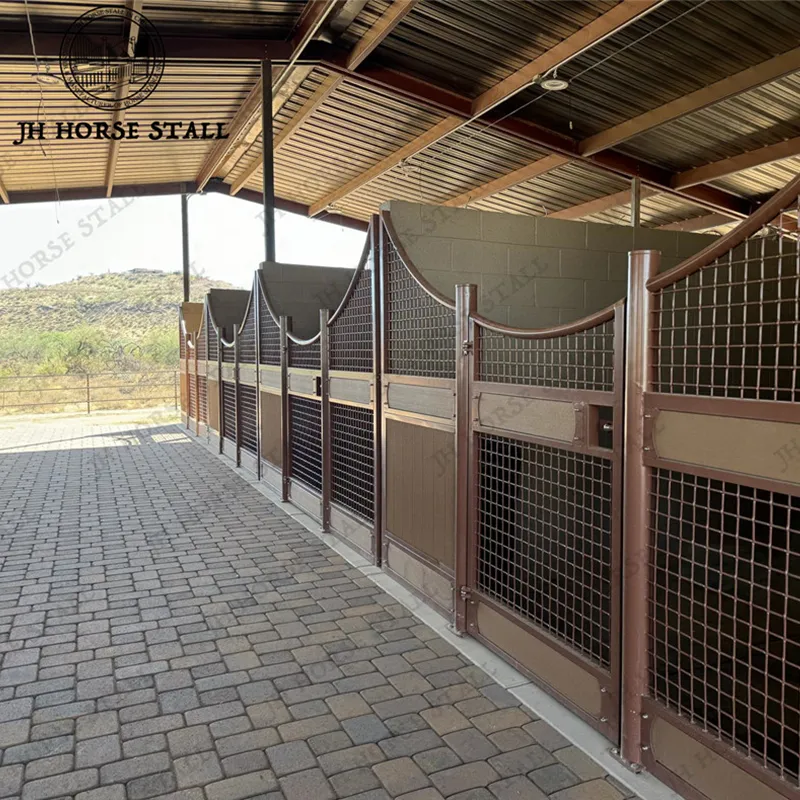
Stall construction typically utilizes wood, metal (steel, aluminum), or composite materials. Wood, particularly hardwoods like oak and maple, offers inherent structural strength and a degree of impact absorption. However, wood is susceptible to degradation from moisture, insect infestation, and horse behavior (chewing, kicking). Steel provides superior durability and resistance to wear and tear but lacks the natural cushioning of wood, necessitating rubber padding or other protective layers. Aluminum is lightweight and corrosion-resistant but generally offers lower structural rigidity than steel. Composite materials, often incorporating recycled plastics and wood fibers, represent an emerging option, offering a balance of durability, cost-effectiveness, and sustainability. Flooring materials are equally critical; options include packed earth, clay, rubber mats, and concrete. Packed earth, while natural, requires frequent maintenance to control dust and maintain a level surface. Clay offers better drainage but can become muddy. Rubber mats, commonly constructed from recycled tire materials, provide excellent cushioning and traction, minimizing strain on joints. Concrete is durable but hard, requiring substantial bedding to ensure horse comfort. Manufacturing processes vary from traditional carpentry and welding to injection molding for components like stall dividers and hardware. Key parameter control during manufacturing includes ensuring wood is properly treated to resist rot and insects, steel is galvanized to prevent corrosion, and welds are structurally sound. The tensile strength of stall components must exceed expected impact forces from a horse of average size and activity level. Material compatibility is vital, preventing galvanic corrosion between dissimilar metals.
Performance & Engineering
The structural integrity of a stable is governed by principles of force analysis, particularly concerning load distribution and impact resistance. A mature horse exerts significant static and dynamic loads on a stall. Static loads relate to the horse's weight, while dynamic loads result from movement, leaning, and kicking. Stall design must accommodate these forces without compromising stability. The ideal stall configuration incorporates robust corner posts and secure stall dividers to prevent collapse or deformation. Headroom is a critical performance parameter; insufficient headroom can lead to injury from impacts. Recommended minimum headroom is 8-9 feet. Ventilation is paramount to maintain air quality, removing ammonia and dust, and preventing respiratory issues. Ventilation systems must provide adequate airflow without creating drafts. Environmental resistance is another key consideration; stables must withstand temperature fluctuations, humidity, and potential exposure to precipitation. Compliance requirements vary by jurisdiction but typically adhere to guidelines established by equine welfare organizations and agricultural standards bodies. Functional implementation demands thoughtful consideration of access for cleaning, feeding, and veterinary care. The placement of doors and windows should facilitate efficient workflow and minimize disruption to the horse. A critical engineering aspect is the stall's ability to withstand repeated impact forces without exhibiting fatigue cracking or structural weakening.
Technical Specifications
| Stall Width (feet) | Stall Depth (feet) | Minimum Height (feet) | Floor Material Coefficient of Friction (static) |
|---|---|---|---|
| 10-12 | 10-12 | 8-9 | 0.6-0.8 (Rubber Mats) |
| 12-14 | 12-14 | 8-9 | 0.4-0.6 (Packed Earth/Clay) |
| 14-16 | 14-16 | 9-10 | 0.7-0.9 (Composite) |
| 10-12 | 14-16 | 8-9 | 0.5-0.7 (Concrete w/ Bedding) |
| 12-14 | 12-14 | 9-10 | 0.65-0.85 (Recycled Plastic) |
| 14-16 | 16-18 | 9-10 | 0.55-0.75 (Wood) |
Failure Mode & Maintenance
Common failure modes in horse stabling include wood rot (due to moisture ingress), metal corrosion (particularly in galvanized steel), fatigue cracking in stall components (resulting from repeated impact), and delamination of composite materials. Wood rot is exacerbated by poor ventilation and inadequate drainage. Corrosion is accelerated in coastal environments or where stalls are exposed to corrosive substances (e.g., urine, cleaning agents). Fatigue cracking often initiates at stress concentration points, such as weld joints or areas where stall dividers connect to corner posts. Delamination occurs when layers within a composite material separate due to moisture absorption or mechanical stress. Oxidation of metal components can lead to weakening and eventual failure. Preventive maintenance is crucial to mitigate these failure modes. Regular inspection for signs of wood rot, corrosion, or cracking is essential. Wood should be treated with preservatives and painted or sealed to protect against moisture. Metal components should be inspected for rust and repainted as needed. Loose fasteners should be tightened. Bedding should be replaced regularly to maintain hygiene and prevent moisture buildup. Rubber mats should be inspected for tears or damage. Annual structural inspections by a qualified engineer are recommended, particularly for older or heavily used stables. Addressing minor issues promptly can prevent them from escalating into major, costly repairs.
Industry FAQ
Q: What is the minimum recommended stall size for a 16-hand horse?
A: For a 16-hand (64-inch) horse, a stall size of 12ft x 12ft is generally considered the absolute minimum, but 12ft x 14ft is strongly recommended to allow for comfortable movement and prevent injury. Larger stalls are preferable, especially for horses that are prone to pacing or have a larger physique. The key consideration is ensuring the horse has sufficient space to lie down, stand, and turn around without constraint.
Q: How important is stall flooring in preventing lameness?
A: Stall flooring plays a critical role in preventing lameness. Hard surfaces like concrete, without adequate bedding, can contribute to joint stress and concussion injuries. Rubber mats are highly recommended, as they provide cushioning and traction, reducing the risk of slips and falls. The coefficient of friction is a key parameter; a value between 0.6 and 0.8 is optimal to balance traction and ease of movement.
Q: What are the primary ventilation requirements for a horse stable?
A: Effective ventilation requires a combination of natural and mechanical systems. Natural ventilation, through windows and doors, is important, but may not be sufficient in all climates. Mechanical ventilation, using fans and exhaust systems, should provide a minimum of 4-6 air changes per hour to remove ammonia, dust, and moisture. Proper ventilation prevents respiratory problems and maintains air quality.
Q: What types of materials are most susceptible to damage from equine behavior (e.g., chewing, kicking)?
A: Wood is particularly susceptible to damage from chewing and kicking. Softwoods are easily damaged, while hardwoods offer more resistance but are still vulnerable. Metal stall components can be dented or bent by kicking. Rubber mats can be torn or gouged. Protecting vulnerable areas with rubber guards or strategically placed padding is essential. The selection of durable, impact-resistant materials is crucial for long-term stall integrity.
Q: What is the best way to prevent wood rot in a wooden stall?
A: Preventing wood rot requires a multi-faceted approach. Start with pressure-treated lumber for all structural components. Apply a high-quality wood preservative to all exposed surfaces. Ensure adequate ventilation to reduce moisture buildup. Regularly inspect for signs of rot and address any issues promptly. Apply a waterproof sealant or paint to protect against moisture ingress. Maintaining proper drainage around the stable is also critical.
Conclusion
Optimizing horse stabling demands a holistic approach, integrating principles of animal welfare, material science, and structural engineering. The selection of appropriate stall dimensions, construction materials, and ventilation systems directly impacts equine health, safety, and performance. Adhering to established industry standards and conducting regular maintenance are critical for preventing failure modes and ensuring the longevity of stable structures. The core technical challenge lies in balancing cost-effectiveness with the imperative to provide a safe, comfortable, and stimulating environment for horses.
Future advancements in stabling design may focus on incorporating smart technologies, such as automated ventilation control, environmental monitoring sensors, and remote health monitoring systems. The development of more sustainable and eco-friendly building materials will also be a key area of innovation. Continued research into equine behavior and biomechanics will further refine our understanding of optimal stabling practices, leading to improved animal welfare and reduced injury rates.
-
Star Stable Horses Technical Analysis
-
Horse Stabling Material Science and Performance
-
horse stable stardew Performance Analysis
-
Horse riding stables near me Performance and Engineering
-
horse stables in minecraft Performance Analysis
-
Horse Stable Urine Performance Analysis
-
Stable and Horse Structural Engineering
-
Horses in the stable Material Science and Manufacturing
-
horse boarding stables Material Science and Manufacturing
-
Horse Stabling Material Science and Performance
-
horse stables Material Science and Manufacturing
-
minecraft horse stable Performance Analysis
-
horse stable minecraft Structural Analysis
-
Horse Stables Near Me Performance and Engineering
-
Horse Stable Construction Performance Analysis