



Apr . 01, 2024 17:55 Back to list
horse boarding stables Material Science and Manufacturing
Introduction
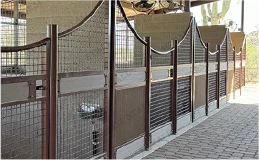
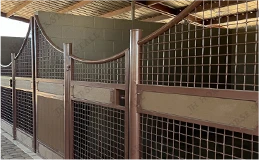
Horse boarding stables represent a critical component of the equine industry, functioning as long-term lodging facilities for horses not kept on their owners' property. These facilities extend beyond simple shelter, incorporating comprehensive care encompassing feeding, watering, health monitoring, and exercise. Technically, the design and construction of modern boarding stables involve a convergence of civil engineering principles related to structural load bearing, materials science concerning wood preservation and composite material durability, and environmental engineering addressing waste management and drainage. Their performance is evaluated based on structural integrity, equine safety (minimizing injury risk), environmental impact, and operational efficiency. Core performance metrics include stall size and construction, footing quality in arenas and paddocks, fencing durability, and the effectiveness of manure management systems. A key industry pain point is balancing cost-effective construction with long-term durability and the complex needs of equine health and wellbeing, including managing airborne dust and ammonia levels.
Material Science & Manufacturing
The primary materials utilized in horse boarding stable construction are wood (typically pressure-treated lumber for framing and stall components), steel (for roofing support and fencing), concrete (for foundations and flooring), and composite materials like rubber or synthetic polymers (for stall mats and arena footing). Wood’s properties, specifically its compressive strength and resistance to bending, dictate stall design and load-bearing capabilities. Pressure treatment with chemicals like chromated copper arsenate (CCA) – though increasingly replaced with alternatives like alkaline copper quaternary (ACQ) – extends wood’s lifespan by preventing fungal decay and insect infestation. Steel’s tensile strength is critical for roofing structures and the integrity of welded fencing systems. Manufacturing processes include lumber sawing and treatment, steel rolling and welding, and concrete mixing and pouring. Critical parameter control during wood treatment involves ensuring proper chemical penetration and retention levels. Steel welding requires stringent quality control to prevent porosity and cracking, impacting structural integrity. Concrete mixtures must be optimized for compressive strength and freeze-thaw resistance, crucial in colder climates. Stall mats often utilize recycled rubber, requiring consistent polymer chain length and cross-linking density to ensure durability and compression set resistance. Arena footing composition (sand, clay, fiber) directly influences impact absorption and hoof support, demanding precise particle size distribution analysis and moisture content control.
Performance & Engineering
Performance evaluation hinges on structural engineering principles. Stall construction must withstand significant lateral forces exerted by a horse leaning or kicking, requiring robust framing and bracing. Force analysis involves calculating shear forces, bending moments, and tensile stresses on stall components. Roofing structures are engineered to handle snow loads (in relevant climates) and wind uplift forces. Environmental resistance considerations include rainwater management via proper roof drainage and gutter systems, and preventing soil erosion around foundations. Compliance requirements stem from local building codes and equine welfare regulations, which often dictate stall size minimums, ventilation standards, and fencing height specifications. Functional implementation of manure management systems (e.g., composting, removal, storage) requires understanding of decomposition rates, nutrient content, and environmental regulations concerning runoff. Fencing design addresses containment and horse safety. High-tensile wire fences require precise tensioning to prevent breakage and ensure animal security. Wood fences require regular inspection for splintering and damage. Proper ventilation is crucial to minimize ammonia buildup from urine, a respiratory irritant for horses. Ventilation rate calculations must consider stable volume, horse density, and climate conditions. Drainage systems must prevent stagnant water, which breeds insects and promotes bacterial growth.
Technical Specifications
| Stall Dimensions (Internal) | Lumber Treatment Level (CCA/ACQ Retention) | Roofing Load Capacity (Snow/Wind) | Fencing Wire Tensile Strength |
|---|---|---|---|
| 12ft x 12ft (Minimum Recommended) | 0.40 lbs/ft³ (ACQ) | 40 psf Snow, 90 mph Wind | 1850 lbs |
| 14ft x 14ft (Ideal for Large Breeds) | 0.60 lbs/ft³ (ACQ) | 60 psf Snow, 110 mph Wind | 2000 lbs |
| Stall Mat Thickness | Concrete Slab Compressive Strength | Arena Footing Particle Size Distribution (Sand%) | Manure Compost Temperature (Optimal Decomposition) |
| 45mm (1.75 inches) | 3000 psi | 60-80% | 131-176°F (55-80°C) |
| Wood Species (Framing) | Steel Grade (Roof Supports) | Ventilation Rate (Air Changes/Hour) | Water Trough Capacity (Per Horse) |
| Southern Yellow Pine (Treated) | ASTM A36 | 6-10 | 10-15 gallons |
Failure Mode & Maintenance
Common failure modes in horse boarding stables include wood rot (due to inadequate treatment or moisture intrusion), steel corrosion (from exposure to the elements), concrete cracking (from freeze-thaw cycles or improper mixing), and stall mat degradation (from horse traffic and UV exposure). Fatigue cracking in fencing wires can lead to breaches in containment. Delamination of composite stall mats reduces their impact absorption capacity. Oxidation of steel roofing components weakens their structural integrity. Maintenance solutions include annual wood inspections and re-treatment, regular steel cleaning and painting, crack repair in concrete foundations, and replacement of worn stall mats. Fencing should be inspected weekly for tension loss and damage. Manure management systems require regular turning and monitoring of compost pile temperature. Proper drainage maintenance prevents waterlogging and fungal growth. Preventative maintenance is key: ensuring adequate ventilation reduces moisture buildup, extending wood lifespan. Scheduled inspections of roofing structures identify potential leaks and corrosion before they escalate into major repairs. Regular cleaning of stalls minimizes bacterial contamination and ammonia levels.
Industry FAQ
Q: What are the most critical factors to consider when selecting lumber for stall construction?
A: The primary factors are species, treatment level, and structural grade. Southern Yellow Pine is commonly used due to its strength-to-weight ratio. However, proper pressure treatment with ACQ (alkaline copper quaternary) or equivalent is paramount to prevent rot and insect damage. The retention level should meet or exceed 0.40 lbs/ft³. Structural grade refers to the lumber’s ability to withstand load; higher grades are necessary for load-bearing components.
Q: How do you determine the appropriate arena footing composition for different disciplines (e.g., dressage vs. jumping)?
A: Dressage arenas typically require a deep, cushioned footing composed of fine sand and fiber to promote collection and comfort. Jumping arenas benefit from a firmer footing with greater energy return, often incorporating a blend of sand, clay, and fiber. Particle size distribution is crucial; excessively fine particles can create a “deep” footing, while coarse particles can reduce impact absorption. Moisture content also plays a critical role, affecting compaction and traction.
Q: What are the key considerations for designing a manure management system that meets environmental regulations?
A: The system must prevent runoff into waterways and minimize odor emissions. Composting is a common method, requiring proper carbon-to-nitrogen ratios, adequate aeration, and temperature control. Storage facilities must be impermeable to prevent groundwater contamination. Local regulations often dictate storage capacity, composting methods, and disposal procedures.
Q: What are the common causes of fencing failure, and how can they be prevented?
A: Common causes include wire breakage due to over-tensioning or corrosion, post rot, and horse impact. Proper tensioning, regular inspections, and preventative maintenance (replacing corroded wires, treating posts) are essential. Electric fencing can deter horses from leaning on fences. Using high-tensile wire and robust post construction can significantly improve longevity.
Q: How important is ventilation in a stable, and what parameters should be monitored?
A: Ventilation is critically important for maintaining air quality and preventing respiratory issues in horses. Ammonia buildup from urine is a major concern. Parameters to monitor include ammonia levels (ideally below 20 ppm), temperature, humidity, and airflow. Natural ventilation (e.g., open windows, ridge vents) is often sufficient, but mechanical ventilation may be necessary in enclosed barns.
Conclusion
The successful operation of horse boarding stables relies on a robust understanding of materials science, structural engineering, and environmental management. Selecting appropriate materials, employing sound construction practices, and implementing a proactive maintenance program are crucial for ensuring the safety of horses and the longevity of the facility. The industry trend is toward increased emphasis on sustainable materials and environmentally responsible waste management practices, reflecting a growing awareness of the ecological impact of equine operations.
Future developments will likely focus on advanced composite materials for stall construction, automated ventilation systems, and innovative manure management technologies. Adopting a holistic approach that considers equine welfare, structural integrity, and environmental sustainability will be essential for maintaining the viability of horse boarding stables in the long term.
-
Star Stable Horses Technical Analysis
-
Horse Stabling Material Science and Performance
-
horse stable stardew Performance Analysis
-
Horse riding stables near me Performance and Engineering
-
horse stables in minecraft Performance Analysis
-
Horse Stable Urine Performance Analysis
-
Stable and Horse Structural Engineering
-
Horses in the stable Material Science and Manufacturing
-
horse boarding stables Material Science and Manufacturing
-
Horse Stabling Material Science and Performance
-
horse stables Material Science and Manufacturing
-
minecraft horse stable Performance Analysis
-
horse stable minecraft Structural Analysis
-
Horse Stables Near Me Performance and Engineering
-
Horse Stable Construction Performance Analysis