



Apr . 01, 2024 17:55 Back to list
Horse Stable Construction and Performance Analysis

Introduction
Horse stables represent a critical component of equine management, extending beyond simple shelter to encompass animal welfare, operational efficiency, and biosecurity. They are engineered structures designed to provide horses with protection from the elements, a safe environment for rest and recuperation, and a manageable space for routine care. The stable industry chain involves raw material sourcing (timber, steel, concrete, specialized polymers), fabrication and assembly, site preparation, and ongoing maintenance. Core performance characteristics include structural integrity, ventilation, drainage, sanitation, and resistance to equine behavior-induced stresses (kicking, rubbing, stall walking). A key pain point in the industry is balancing cost-effectiveness with the long-term durability and health benefits afforded by higher-specification materials and designs. This guide provides a comprehensive overview of stable construction, material science, performance requirements, and maintenance procedures.
Material Science & Manufacturing
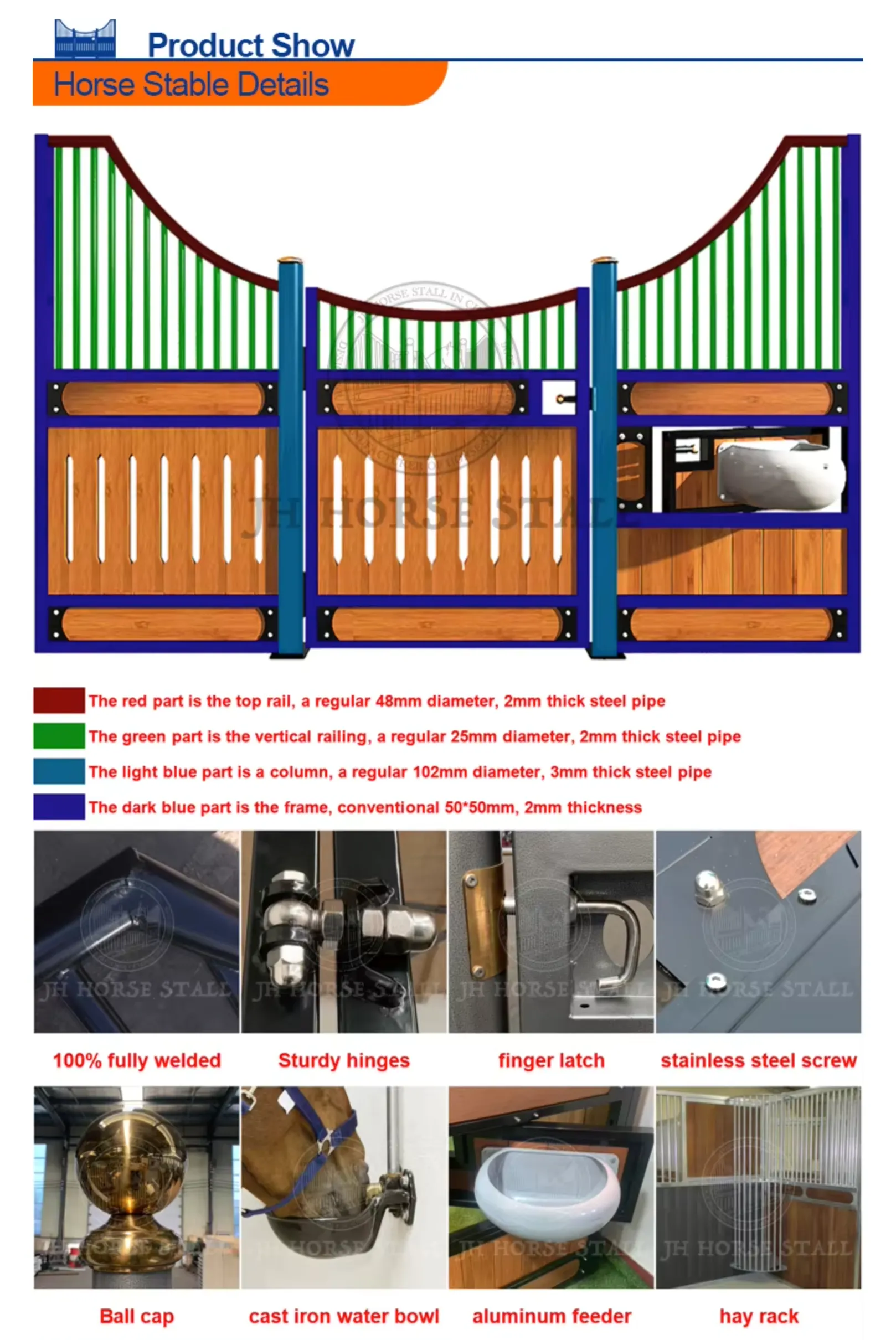
Stable construction employs a diverse range of materials, each possessing unique properties and impacting overall performance. Timber, traditionally the dominant material, offers workability, aesthetic appeal, and thermal insulation. However, its susceptibility to rot, insect infestation, and fire necessitates preservative treatments (e.g., chromated copper arsenate – CCA, although phasing out due to environmental concerns, or boron-based treatments) and regular maintenance. Steel, particularly galvanized or stainless steel, provides superior strength and durability for framing and stall components. Galvanization provides a zinc coating protecting against corrosion, while stainless steel offers exceptional resistance but at a higher cost. Concrete foundations are crucial for load-bearing capacity and resistance to ground movement. Polymeric materials, such as high-density polyethylene (HDPE) and polypropylene (PP), are increasingly used for stall walls, flooring, and drainage systems due to their impact resistance, hygiene properties, and ease of cleaning. Manufacturing processes include timber milling and seasoning, steel fabrication (welding, cutting, forming), concrete mixing and pouring, and plastic extrusion/molding. Critical parameter control during manufacturing involves moisture content in timber (target: 12-18%), weld integrity in steel structures (compliant with AWS D1.1 standards), concrete compressive strength (typically 25-35 MPa), and polymer density and molecular weight. Stall construction often involves joinery techniques such as mortise and tenon, dovetail, or bolted connections. Flooring materials often require careful leveling and compaction to provide a stable and comfortable surface for horses.
Performance & Engineering
Stable performance hinges on several engineering principles. Structural analysis, often employing finite element analysis (FEA), is vital to ensure the structure can withstand static loads (weight of the structure, snow load, wind load) and dynamic loads (horse movement, impact). Wind loading calculations are governed by regional building codes and consider wind speed, exposure category, and roof geometry. Stall design must account for the average size and weight of the horses housed, as well as their behavioral tendencies. For example, stall walls must be sufficiently robust to resist kicking, and stall doors must incorporate safety latches to prevent accidental opening. Ventilation is crucial for maintaining air quality, removing ammonia and dust, and preventing respiratory problems. Natural ventilation relies on strategically placed openings, while mechanical ventilation utilizes fans and ductwork. Drainage systems must effectively remove urine and water to prevent slippery surfaces and bacterial growth. Compliance requirements include adherence to local building codes, equine welfare regulations (varying by region), and fire safety standards. The thermal performance of the stable is important for minimizing heating/cooling costs and maintaining a comfortable environment for the horses. Insulation materials (e.g., fiberglass, mineral wool, spray foam) are used to reduce heat transfer through walls and roofs. Consideration of solar orientation can help maximize passive solar gain in colder climates.
Technical Specifications
| Parameter | Unit | Typical Value (Wood Stable) | Typical Value (Steel Stable) |
|---|---|---|---|
| Wall Height | m | 2.4 | 2.4 |
| Stall Width | m | 3.6 | 3.6 |
| Stall Depth | m | 3.6 | 3.6 |
| Roof Pitch | degrees | 30 | 20 |
| Timber Grade (Walls) | - | No. 2 Southern Yellow Pine | N/A |
| Steel Grade (Frame) | - | N/A | ASTM A36 |
| Galvanization Coating (Steel) | µm | N/A | 85 |
Failure Mode & Maintenance
Stable failure modes are diverse and often linked to environmental factors and equine behavior. Timber structures are susceptible to rot, particularly at ground contact points and areas exposed to persistent moisture. Insect infestation (termites, carpenter ants) can also compromise structural integrity. Steel structures are prone to corrosion, especially in coastal environments or areas exposed to de-icing salts. Concrete foundations can crack due to ground settlement, frost heave, or excessive loading. Stall components can fail due to fatigue cracking (repeated stress from horse movement), hardware failure (broken hinges or latches), or impact damage. Delamination of polymeric stall walls can occur due to UV exposure or chemical attack. Oxidation of metal components is a common issue. Preventative maintenance is crucial. This includes regular inspection for rot, insect damage, and corrosion; prompt repair of any defects; re-application of preservative treatments to timber; and cleaning of drainage systems. Stall hardware should be lubricated regularly. Concrete cracks should be sealed to prevent water ingress. Periodic structural assessments by a qualified engineer are recommended, especially for older stables. Replacement of worn or damaged components is essential for maintaining safety and functionality. Addressing drainage issues promptly prevents long-term structural damage and hygiene concerns. Bi-annual power washing of stall interiors helps reduce bacterial load and improves sanitation.
Industry FAQ
Q: What are the key considerations when selecting flooring material for a horse stable?
A: Flooring material selection depends on horse activity level, stall cleaning frequency, and budget. Options include clay, sand, wood shavings, rubber mats, and concrete. Clay and sand offer cushioning but require frequent replenishment. Wood shavings are absorbent but can be dusty. Rubber mats provide good traction and cushioning and are easy to clean, but they can be expensive. Concrete is durable but hard and can contribute to leg fatigue if not adequately cushioned with bedding.
Q: How important is ventilation in a horse stable, and what types of systems are commonly used?
A: Ventilation is paramount for maintaining air quality, reducing ammonia levels, and preventing respiratory problems. Natural ventilation relies on strategically placed openings and wind flow. Mechanical ventilation utilizes fans to exhaust stale air and introduce fresh air. A combination of both is often optimal. Ridge vents, soffit vents, and gable vents are common natural ventilation features.
Q: What are the primary causes of timber rot in stable structures, and how can it be prevented?
A: Timber rot is primarily caused by fungal decay resulting from prolonged exposure to moisture. Prevention involves ensuring proper drainage, preventing water accumulation around the base of the structure, applying preservative treatments (boron-based are preferred alternatives to CCA), and maintaining adequate ventilation. Regular inspection and prompt repair of any damaged areas are also crucial.
Q: What are the advantages and disadvantages of steel versus timber framing for a new stable construction?
A: Steel offers superior strength, durability, and resistance to fire and insects compared to timber. However, it is typically more expensive and requires skilled welding and fabrication. Timber is more affordable and easier to work with but requires regular maintenance to prevent rot and insect damage. The choice depends on budget, desired lifespan, and local building codes.
Q: What specific building codes or standards typically apply to horse stable construction?
A: Building codes vary by location, but typically include requirements for structural integrity, fire safety, ventilation, and accessibility. Equine-specific regulations may address stall size, flooring requirements, and sanitation standards. Relevant standards include those published by the International Building Code (IBC) and local agricultural building codes. Fire safety compliance often involves use of fire-retardant materials and properly designed escape routes.
Conclusion
The construction and maintenance of horse stables are multifaceted endeavors demanding a thorough understanding of material science, engineering principles, and equine welfare requirements. The selection of appropriate materials and construction techniques directly impacts the structure’s longevity, safety, and operational efficiency. A proactive maintenance program, coupled with adherence to relevant building codes and industry standards, is critical for preventing costly repairs and ensuring a healthy and secure environment for horses.
Future advancements in stable design are likely to focus on sustainable materials, energy-efficient ventilation systems, and automated monitoring technologies. Integrating smart sensors to track temperature, humidity, and air quality can provide valuable data for optimizing stable management practices and promoting equine health. Continued research into innovative flooring materials and stall designs will further enhance horse comfort and reduce the risk of injuries.
-
Star Stable Horses Technical Analysis
-
Horse Stabling Material Science and Performance
-
horse stable stardew Performance Analysis
-
Horse riding stables near me Performance and Engineering
-
horse stables in minecraft Performance Analysis
-
Horse Stable Urine Performance Analysis
-
Stable and Horse Structural Engineering
-
Horses in the stable Material Science and Manufacturing
-
horse boarding stables Material Science and Manufacturing
-
Horse Stabling Material Science and Performance
-
horse stables Material Science and Manufacturing
-
minecraft horse stable Performance Analysis
-
horse stable minecraft Structural Analysis
-
Horse Stables Near Me Performance and Engineering
-
Horse Stable Construction Performance Analysis