



Apr . 01, 2024 17:55 Back to list
Horse Stabling Material Science and Performance

Introduction
Horse stabling represents a critical component of equine management, extending beyond mere shelter to encompass the comprehensive maintenance of animal health, welfare, and performance. Historically, stabling evolved from rudimentary field shelters to sophisticated engineered structures, reflecting advancements in veterinary science, building materials, and understanding of equine behavioral needs. The modern stable is a complex system, integrating environmental control, waste management, structural integrity, and biosecurity protocols. Its core performance metrics center on minimizing stress, promoting respiratory health through optimal air quality, providing physical safety, and facilitating efficient workflow for equine caregivers. Industry pain points frequently revolve around balancing cost-effectiveness with long-term durability, mitigating the risk of injury due to stall design flaws, and consistently maintaining hygienic conditions to prevent disease outbreaks. Effective stabling, therefore, demands a thorough understanding of equine physiology, material science, and construction principles.
Material Science & Manufacturing
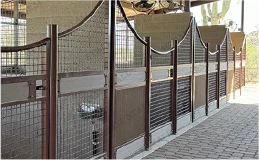
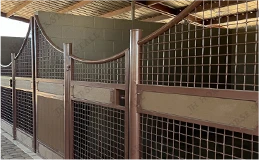
The primary materials utilized in horse stabling construction include wood (various species, treated for rot and insect resistance), steel (typically galvanized or powder-coated for corrosion protection), concrete (for foundations and flooring), and specialized polymers (for stall mats and wall liners). Wood, particularly hardwoods like oak and maple, offers excellent impact resistance and aesthetic appeal but requires regular maintenance to prevent degradation from moisture and biological agents. Steel provides superior structural strength and durability, commonly employed in stall framing and roofing supports. Concrete provides a stable and durable base, though permeability can contribute to moisture problems if not properly sealed. Polymers, such as ethylene-propylene diene monomer (EPDM) rubber, offer cushioning, anti-slip properties, and ease of cleaning. Manufacturing processes vary depending on the component. Steel stall components are often fabricated through welding and bending, requiring precise tolerances and robust weld integrity. Wood stalls rely on joinery techniques (mortise and tenon, dovetail) and precise milling for optimal fit and structural stability. Concrete foundations demand accurate formwork and proper curing to achieve desired compressive strength. Key parameter control includes moisture content of wood prior to assembly (optimally 12-18% to minimize warping), galvanization thickness of steel (minimum 55 μm for corrosion resistance), concrete mix design (ensuring appropriate cement-to-aggregate ratio and water-cement ratio), and polymer density and hardness (affecting durability and cushioning). The compatibility of materials is critical; for example, direct contact between dissimilar metals can lead to galvanic corrosion, and certain wood treatments may release harmful volatile organic compounds (VOCs).

Performance & Engineering
Stable performance is fundamentally tied to load-bearing capacity, structural stability, and environmental control. Force analysis is crucial, particularly regarding stall wall resistance to impact forces from a horse leaning or kicking. Stall walls must withstand a minimum lateral force of 800 N (Newton’s) as a baseline standard, accounting for average horse weight and impact velocity. Roofing structures necessitate analysis of snow loads, wind loads, and the weight of the roofing material itself. Ventilation is paramount for maintaining air quality, minimizing ammonia levels (a byproduct of equine waste), and preventing respiratory issues. Air exchange rates should be at least 8-12 air changes per hour. Drainage systems must effectively remove urine and wash water to prevent slippery surfaces and bacterial growth. Compliance requirements vary by region but typically involve adherence to building codes, fire safety regulations, and animal welfare standards. Functional implementation relies on optimized stall dimensions, providing sufficient space for the horse to move comfortably and lie down without obstruction. Stall floor design is critical – options include clay, rubber mats, and concrete with appropriate traction. Biosecurity protocols, including isolation stalls for sick horses and effective disinfection procedures, are essential for preventing disease transmission. The selection of materials should consider their thermal properties to minimize heat buildup in summer and heat loss in winter. A stable's structural design must address potential seismic activity in earthquake-prone regions, incorporating appropriate bracing and foundation design.
Technical Specifications
| Parameter | Unit | Typical Value (Wood Stall) | Typical Value (Steel Stall) |
|---|---|---|---|
| Stall Width | m | 3.66 | 3.66 |
| Stall Depth | m | 3.66 | 3.66 |
| Wall Height | m | 2.44 | 2.44 |
| Wood Species (Frame) | - | Oak/Maple | N/A |
| Steel Grade (Frame) | - | N/A | A36 |
| Galvanization Thickness | μm | N/A | 55+ |
| Floor Material | - | Clay/Rubber Mat | Concrete/Rubber Mat |
| Ventilation Rate | ACH | 8-12 | 8-12 |
| Lateral Force Resistance (Wall) | N | 800+ | 1000+ |
| Ammonia Concentration (Max) | ppm | <25 | <25 |
| Thermal Conductivity (Wall) | W/mK | 0.15 - 0.2 | 40-60 (Steel w/ insulation) |
Failure Mode & Maintenance
Common failure modes in horse stabling include wood rot and insect infestation (particularly in wooden structures), corrosion of steel components, concrete cracking due to freeze-thaw cycles or improper curing, and degradation of polymer stall mats. Wood rot is often initiated by prolonged moisture exposure, leading to structural weakening and eventual collapse. Insect infestation, such as termites, can further accelerate wood degradation. Steel corrosion occurs when the protective galvanization layer is breached, allowing exposure to corrosive elements. Concrete cracking can compromise structural integrity and create entry points for water and contaminants. Polymer mats can tear or become dislodged with heavy use. Preventive maintenance is crucial. For wooden stalls, regular inspection for signs of rot or insect damage and prompt application of wood preservatives are essential. Steel stalls require periodic inspection for corrosion and touch-up painting or re-galvanization as needed. Concrete structures should be sealed to prevent water penetration and regularly inspected for cracks, which should be repaired promptly. Polymer mats should be inspected for wear and tear and replaced when necessary. Effective stall cleaning practices, including removing manure and urine daily, are vital for maintaining hygiene and minimizing corrosion. Regular structural inspections by a qualified engineer are recommended, particularly for older stabling facilities. Fatigue cracking can occur in welded steel components under repeated stress, necessitating non-destructive testing (NDT) methods, such as ultrasonic testing or dye penetrant inspection, to identify and address potential issues before catastrophic failure occurs.
Industry FAQ
Q: What is the optimal stall floor material to minimize equine orthopedic issues?
A: Rubber stall mats are generally considered optimal. They provide cushioning, reducing concussion on the horse’s legs and joints. Clay floors, while traditional, offer limited cushioning and can become hard-packed and slippery. Concrete, without adequate matting, is excessively hard and poses a significant risk of injury. The ideal rubber mat thickness is between 19mm and 24mm, and a textured surface improves traction.
Q: How does ventilation impact respiratory health in stabled horses?
A: Poor ventilation leads to the buildup of ammonia, dust, and other airborne irritants, significantly increasing the risk of respiratory diseases such as equine asthma and recurrent airway obstruction (RAO). Adequate ventilation removes these irritants, maintaining air quality and promoting optimal respiratory function. Maintaining 8-12 air changes per hour is generally recommended.
Q: What are the key considerations when selecting wood for stall construction?
A: The wood species should be durable and resistant to rot and insect damage. Oak and maple are excellent choices, but proper treatment with wood preservatives is essential. Moisture content should be controlled (12-18%) to minimize warping and cracking. The wood should be free of knots and other defects that could compromise structural integrity.
Q: What are the risks associated with using dissimilar metals in stable construction?
A: Using dissimilar metals (e.g., steel and aluminum) in direct contact can lead to galvanic corrosion. This occurs because of differences in electrochemical potential, causing one metal to corrode preferentially. To prevent this, use compatible metals or isolate dissimilar metals with a non-conductive barrier.
Q: How often should a stable structure undergo a comprehensive structural inspection?
A: A comprehensive structural inspection should be conducted at least every five years, or more frequently if the stable is located in an area prone to seismic activity or severe weather events. Inspections should be performed by a qualified structural engineer and include a thorough assessment of the foundation, framing, roofing, and all load-bearing components.
Conclusion
Effective horse stabling is a multifaceted engineering challenge demanding meticulous attention to material science, structural integrity, and equine welfare. The selection of appropriate materials, combined with robust manufacturing processes and diligent maintenance, is crucial for ensuring the long-term safety, health, and performance of both the horses and the facility. The prevention of failure modes, such as wood rot, corrosion, and concrete cracking, relies on proactive inspection and timely repairs.
Moving forward, advancements in sustainable materials, intelligent ventilation systems, and automated waste management technologies will likely play an increasingly important role in modern stable design. Furthermore, integrating biometric monitoring of equine behavior within the stable environment could provide valuable data for optimizing stall conditions and enhancing animal well-being. A holistic approach, considering the interplay between structure, environment, and animal physiology, remains paramount for achieving optimal stabling solutions.
-
Star Stable Horses Technical Analysis
-
Horse Stabling Material Science and Performance
-
horse stable stardew Performance Analysis
-
Horse riding stables near me Performance and Engineering
-
horse stables in minecraft Performance Analysis
-
Horse Stable Urine Performance Analysis
-
Stable and Horse Structural Engineering
-
Horses in the stable Material Science and Manufacturing
-
horse boarding stables Material Science and Manufacturing
-
Horse Stabling Material Science and Performance
-
horse stables Material Science and Manufacturing
-
minecraft horse stable Performance Analysis
-
horse stable minecraft Structural Analysis
-
Horse Stables Near Me Performance and Engineering
-
Horse Stable Construction Performance Analysis