



Apr . 01, 2024 17:55 Back to list
Stables Horse Structural Performance Analysis
Introduction
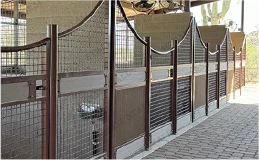
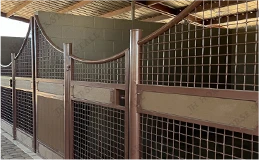
Stables horse, encompassing the design, construction, and maintenance of equine housing, is a critical component of the equestrian industry. Positioned within the broader agricultural and animal husbandry sectors, stable construction impacts animal welfare, operational efficiency, and overall facility longevity. Core performance characteristics include structural integrity, environmental control (temperature, humidity, ventilation), waste management, and the provision of a safe and comfortable environment for horses. Poorly designed or maintained stables contribute to increased incidence of lameness, respiratory issues, and compromised equine health, directly impacting the profitability of equestrian operations. The increasing demand for advanced equine care necessitates a deep understanding of stable design principles, material selection, and ongoing maintenance protocols.
Material Science & Manufacturing
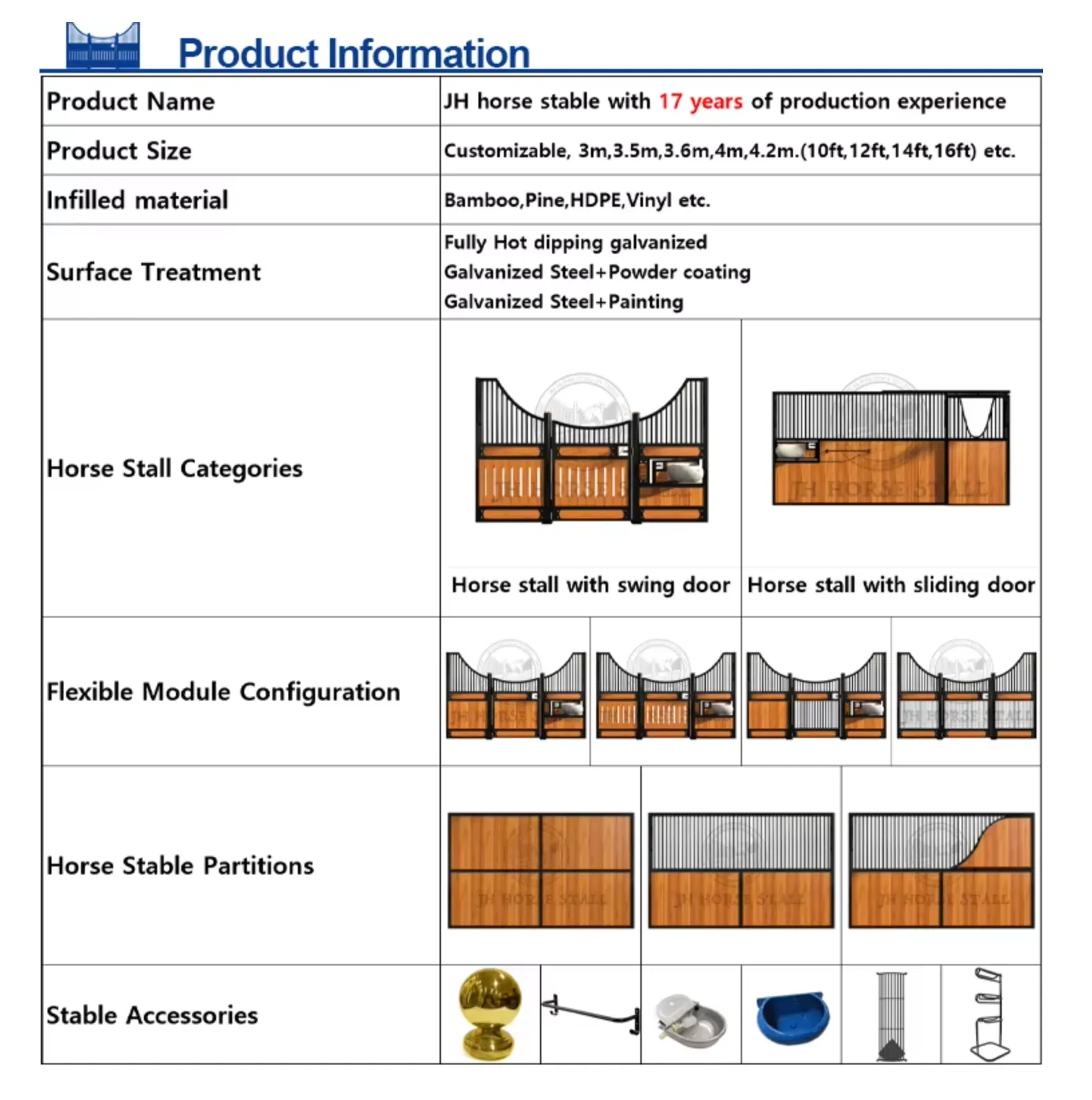
Stable construction primarily employs wood, steel, aluminum, concrete, and various composite materials. Wood, traditionally a dominant material, offers cost-effectiveness and workability, but suffers from susceptibility to rot, insect infestation, and fire. Species like pressure-treated pine, oak, and hardwood are common, with moisture content a critical parameter (ideally below 20% to prevent fungal growth). Steel, offering superior strength and durability, is increasingly used for framing and roofing structures. Common steel alloys include ASTM A36 and A572 Grade 50, with corrosion resistance achieved through galvanization or epoxy coatings. Aluminum, while lighter and corrosion-resistant, is typically reserved for smaller components like stall dividers and windows. Concrete provides a robust foundation and flooring solution; its compressive strength, measured in PSI (pounds per square inch), is a key design consideration. Manufacturing processes include timber framing, welding (SMAW, MIG/MAG for steel), concrete pouring and curing, and the fabrication of pre-engineered components. Parameter control during welding is crucial to avoid metallurgical defects like porosity and cracking; proper preheating and cooling rates are essential. Concrete curing requires controlled temperature and humidity to maximize strength development. Proper ventilation during wood treatment with preservatives is paramount to ensure worker safety and effective chemical impregnation.
Performance & Engineering
Stable performance is governed by structural engineering principles and environmental control considerations. Load bearing capacity, dictated by the weight of horses, roofing materials (snow load), and wind loads, necessitates careful structural analysis using finite element analysis (FEA) software. Deflection limits, typically L/360 (span/360), are crucial to prevent cracking and maintain structural integrity. Ventilation is paramount for air quality, removing ammonia and dust particles. Natural ventilation relies on stack effect and prevailing winds; mechanical ventilation systems utilize fans and ductwork. Air exchange rates (ACH – air changes per hour) should be maintained at a minimum of 4-6 ACH. Thermal performance is assessed using R-values (thermal resistance) for insulation materials; optimal R-values vary by climate. Waste management systems, including stall mats and drainage systems, impact hygiene and odor control. Stall mats, typically made of rubber, provide cushioning and reduce stress on equine limbs. Drainage systems must efficiently remove urine and wastewater to prevent the build-up of harmful bacteria. Building codes and local regulations often dictate minimum stall sizes, ventilation requirements, and fire safety standards.
Technical Specifications
| Material | Tensile Strength (MPa) | Yield Strength (MPa) | Density (kg/m³) | Moisture Absorption (%) |
|---|---|---|---|---|
| Pressure-Treated Pine | 40-60 | 25-35 | 500-700 | 15-25 |
| ASTM A36 Steel | 400-550 | 250 | 7850 | Negligible |
| Aluminum Alloy 6061-T6 | 310 | 276 | 2700 | Negligible |
| Concrete (3000 PSI) | N/A (Compressive Strength) | N/A | 2400 | 4-8 |
| Rubber Stall Mat (EPDM) | 10-20 | N/A | 1300-1400 | <1 |
| Galvanized Steel (Coating Thickness) | 400-550 | 250 | 7850 | Negligible (Surface Protection) |
Failure Mode & Maintenance
Common failure modes in stable construction include wood rot (caused by fungal decay), steel corrosion (due to exposure to moisture and electrolytes), concrete cracking (resulting from freeze-thaw cycles or excessive loading), and joint failure (in timber framed structures). Wood rot typically manifests as softening and discoloration; prevention involves proper wood treatment, ventilation, and drainage. Steel corrosion can lead to structural weakening; mitigation strategies include galvanization, epoxy coatings, and regular inspection. Concrete cracking can compromise structural integrity; repair options include epoxy injection and crack sealing. Joint failure in timber structures often arises from inadequate joinery or loose connections; re-tightening or replacing fasteners is often required. Maintenance protocols should include annual inspections for wood rot, corrosion, and cracking. Stall mats should be replaced when they become worn or damaged. Drainage systems should be regularly cleaned to prevent clogging. Repainting or re-coating steel structures is essential to maintain corrosion protection. Addressing minor issues promptly prevents escalation into major structural problems. Proper cleaning and disinfection of stable surfaces are crucial for preventing the spread of equine diseases.
Industry FAQ
Q: What is the optimal stall size for a 16-hand horse?
A: A 16-hand horse (64 inches at the withers) generally requires a stall size of at least 12ft x 12ft (3.6m x 3.6m) to allow for comfortable movement and prevent injury. Larger stalls, such as 12ft x 14ft, are preferable, especially for horses that spend extended periods indoors. These dimensions provide adequate space for turning, lying down, and defecating without compromising the horse’s well-being.
Q: How important is ventilation in stable design, and what are the key metrics?
A: Ventilation is critically important for maintaining air quality and preventing respiratory problems in horses. Poor ventilation leads to a build-up of ammonia, dust, and pathogens. Key metrics include Air Changes per Hour (ACH), ideally between 4-6 ACH, and maintaining ammonia levels below 20 ppm. Effective ventilation relies on a combination of natural and mechanical systems, ensuring adequate air exchange without creating drafts.
Q: What are the advantages and disadvantages of using rubber stall mats?
A: Rubber stall mats provide several advantages, including improved cushioning, reduced stress on equine limbs, enhanced traction, and ease of cleaning. They also minimize dust and reduce the amount of bedding material required. Disadvantages include the initial cost of installation and the potential for harboring bacteria if not properly maintained. Regular cleaning and disinfection are essential.
Q: What type of wood treatment is most effective for preventing rot in stable construction?
A: Pressure-treated lumber, utilizing preservatives like Alkaline Copper Quaternary (ACQ) or Copper Azole (CA), is the most effective method for preventing rot in stable construction. These preservatives are forced into the wood under pressure, providing long-lasting protection against fungal decay and insect infestation. It’s crucial to ensure the wood is properly dried before treatment and that the treatment process meets industry standards.
Q: What are the key considerations for designing a stable drainage system?
A: A stable drainage system must efficiently remove urine, wastewater, and cleaning fluids to maintain hygiene and prevent the build-up of harmful bacteria. Key considerations include proper slope to facilitate drainage, the use of non-corrosive materials (such as PVC or concrete), and a suitable disposal system (such as a septic tank or municipal sewer). Regular cleaning and maintenance are essential to prevent clogging and ensure optimal performance.
Conclusion
The design and construction of stables horse requires a holistic understanding of material science, engineering principles, and equine physiology. Optimal stable environments prioritize structural integrity, environmental control, and the health and well-being of the horse. Selecting appropriate materials, implementing robust construction techniques, and adhering to rigorous maintenance protocols are crucial for maximizing the lifespan and functionality of stable facilities.
Future advancements in stable design will likely focus on sustainable materials, automated waste management systems, and intelligent environmental control technologies. Investing in high-quality materials and employing experienced construction professionals are essential for creating stable environments that meet the demanding needs of the modern equestrian industry, offering long-term benefits in terms of equine health, operational efficiency, and overall facility value.
-
Star Stable Horses Technical Analysis
-
Horse Stabling Material Science and Performance
-
horse stable stardew Performance Analysis
-
Horse riding stables near me Performance and Engineering
-
horse stables in minecraft Performance Analysis
-
Horse Stable Urine Performance Analysis
-
Stable and Horse Structural Engineering
-
Horses in the stable Material Science and Manufacturing
-
horse boarding stables Material Science and Manufacturing
-
Horse Stabling Material Science and Performance
-
horse stables Material Science and Manufacturing
-
minecraft horse stable Performance Analysis
-
horse stable minecraft Structural Analysis
-
Horse Stables Near Me Performance and Engineering
-
Horse Stable Construction Performance Analysis