
Apr . 01, 2024 17:55 Back to list
stainless steel cut to length machine Performance Analysis
Introduction
Stainless steel cut-to-length (CTL) machines represent a critical component in the processing of stainless steel sheet and coil stock, serving as a foundational step in manufacturing across diverse industries. Positioned between the steel mill and downstream fabrication, these machines accurately shear stainless steel coils into specified widths and lengths, delivering flat sheets prepared for further processing. Their function directly impacts material yield, fabrication efficiency, and overall product quality. This guide provides an in-depth technical examination of stainless steel CTL machines, covering material considerations, manufacturing processes, performance characteristics, potential failure modes, and relevant industry standards. A primary industry pain point revolves around maintaining dimensional accuracy, minimizing burr formation, and preventing material deformation – particularly with austenitic stainless steel grades prone to work hardening. Furthermore, optimizing cutting parameters to minimize material waste and maximize utilization is a persistent challenge for manufacturers.
Material Science & Manufacturing
The core component of a CTL machine's performance is its interaction with the stainless steel material itself. Stainless steels are iron-based alloys containing a minimum of 10.5% chromium, which provides corrosion resistance. Different austenitic grades (304, 316L), ferritic (430), and martensitic (410) alloys exhibit varying mechanical properties and necessitate tailored cutting parameters. Austenitic stainless steels, while offering excellent corrosion resistance and formability, possess lower shear strength and a tendency for work hardening during cutting. Ferritic grades offer higher shear strength but reduced corrosion resistance. Martensitic grades exhibit high strength and hardness, making them more challenging to cut without deformation.
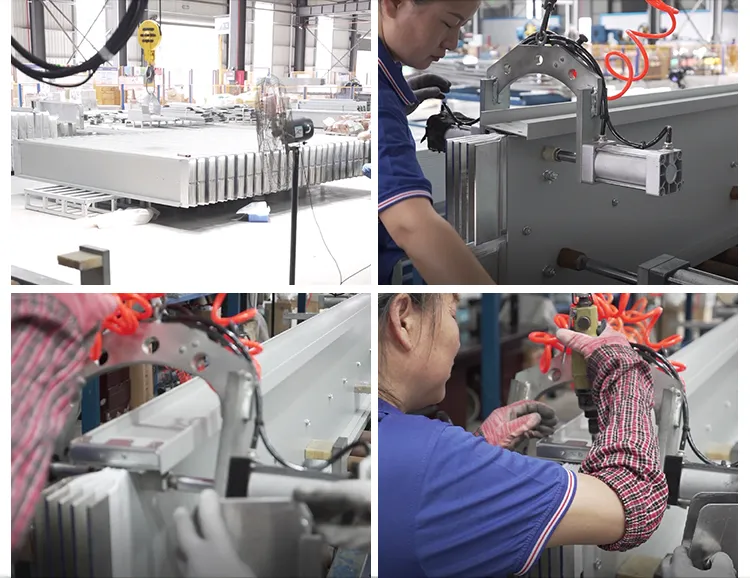
Manufacturing a CTL machine involves several key processes. The main structural elements are typically constructed from heavy-gauge steel plate, welded and stress-relieved to maintain dimensional stability. Critical components, such as shear blades and leveling rolls, are manufactured from high-strength tool steels (e.g., D2, HSS) hardened and tempered for exceptional wear resistance and toughness. Blade geometry—rake angle, clearance angle, and shear angle—are meticulously designed based on the target stainless steel grade and thickness. The leveling system, often employing a multi-roll configuration, utilizes precision bearings and controlled hydraulic pressure to eliminate coil set and ensure flatness. Parameter control during manufacturing focuses on weld quality (achieving complete penetration and minimal porosity), blade hardness (maintained within a precise Rockwell C range), and roll alignment (verified using laser surveying techniques). Coil entry and exit systems often utilize pinch roll technology with adjustable pressure to control material feed and prevent slippage. CNC controls and programmable logic controllers (PLCs) govern the entire process, integrating sensor feedback (e.g., encoder data, load cells) to maintain accurate cut lengths and optimize machine performance.
Performance & Engineering
The performance of a stainless steel CTL machine is fundamentally governed by force analysis. The shearing process requires substantial force to overcome the material's shear strength. Force calculations must account for the stainless steel grade, thickness, width, and blade geometry. Excessive force can lead to blade deflection, increased burr formation, and potential machine damage. Environmental resistance is also crucial. CTL machines often operate in industrial environments with varying temperatures, humidity, and the presence of corrosive agents. Components must be protected against corrosion through appropriate coatings and material selection. Compliance requirements, such as adherence to OSHA safety standards and CE marking regulations, are paramount. Functional implementation involves precise control of the cutting cycle – material feed rate, shear speed, blade penetration, and leveling roll pressure. The effectiveness of the leveling system directly influences the flatness of the finished sheets. Automated gauge control systems utilizing laser sensors ensure dimensional accuracy and minimize material waste. Furthermore, modern machines integrate data logging and diagnostic capabilities, enabling proactive maintenance and performance optimization. The critical engineering challenge involves balancing cutting speed with cut quality and minimizing blade wear. Optimized blade clearance and feed rate are key factors in achieving this balance.
Technical Specifications
| Parameter | Unit | Austenitic Stainless Steel (304/316L) | Ferritic Stainless Steel (430) |
|---|---|---|---|
| Material Thickness Range | mm | 0.4 – 6.35 | 0.5 – 4.76 |
| Maximum Coil Weight | tons | 20 – 30 | 20 – 30 |
| Cutting Speed | m/min | 20 – 60 | 40 – 80 |
| Shear Blade Hardness | HRC | 60 – 62 | 62 – 64 |
| Leveling Roll Diameter | mm | 80 – 120 | 80 – 120 |
| Positioning Accuracy | ±mm | 0.5 | 0.3 |
Failure Mode & Maintenance
Several failure modes can affect the performance and longevity of a stainless steel CTL machine. Fatigue cracking in shear blades is a common issue, particularly with high-volume production. This is caused by repeated stress cycles and exacerbated by improper blade sharpening or material contamination. Blade chipping can occur due to excessive feed rates or the presence of hard inclusions in the stainless steel. Delamination of the stainless steel itself can occur, particularly with heavily cold-worked materials or incorrect cutting parameters. Oxidation of machine components, especially in humid environments, can lead to corrosion and reduced performance. Hydraulic system failures (pump cavitation, seal leaks) can disrupt leveling and shearing operations. To mitigate these failures, a robust maintenance program is essential. This includes regular blade inspection and resharpening (or replacement), lubrication of all moving parts, hydraulic fluid analysis and filtration, and periodic inspection of structural welds. Non-destructive testing (NDT) methods, such as ultrasonic testing, can detect fatigue cracks in blades before catastrophic failure. Preventive maintenance schedules should be based on operating hours and production volume. Proper operator training is also critical to prevent misuse and premature wear.
Industry FAQ
Q: What are the primary considerations when selecting shear blades for different stainless steel grades?
A: Blade material, hardness, rake angle, and clearance angle are all crucial. For austenitic grades, blades with higher toughness and lower hardness are preferred to minimize cracking. For ferritic grades, higher hardness blades are suitable. Proper clearance is vital to prevent burr formation and material deformation.
Q: How does work hardening affect the cutting process of austenitic stainless steels?
A: Work hardening increases the material’s shear strength, requiring higher cutting forces and potentially leading to blade wear and material distortion. Reducing the feed rate and optimizing blade clearance can help mitigate the effects of work hardening.
Q: What are the best practices for maintaining the leveling system?
A: Regular inspection of roll alignment, lubrication of bearings, and monitoring of hydraulic pressure are essential. Ensure that the leveling rolls are clean and free from material buildup. Adjust leveling pressure based on the material grade and thickness.
Q: What safety features are critical in a stainless steel CTL machine?
A: Emergency stop buttons, light curtains, interlocked guarding, and proper electrical grounding are essential safety features. Regular safety audits and operator training are also vital.
Q: How can I minimize material waste during the cutting process?
A: Optimize cutting parameters (feed rate, shear speed), implement accurate gauge control systems, and utilize nesting algorithms to minimize scrap. Regular blade maintenance and proper machine calibration are also important.
Conclusion
Stainless steel cut-to-length machines represent a sophisticated application of materials science, mechanical engineering, and process control. Achieving optimal performance demands a thorough understanding of stainless steel metallurgy, precise blade geometry, and meticulous maintenance practices. The industry’s continued pursuit of improved accuracy, reduced waste, and enhanced safety will drive further innovation in CTL machine design and operation.
Future development trends will likely focus on incorporating advanced sensor technologies (e.g., laser profilometry) for real-time material characterization and adaptive control. Integration with Industry 4.0 principles, including data analytics and predictive maintenance, will enable proactive optimization and minimize downtime. Furthermore, advancements in blade materials and coatings will extend blade life and reduce operating costs.