
Apr . 01, 2024 17:55 Back to list
storage rack roll forming machine Performance Engineering
Introduction
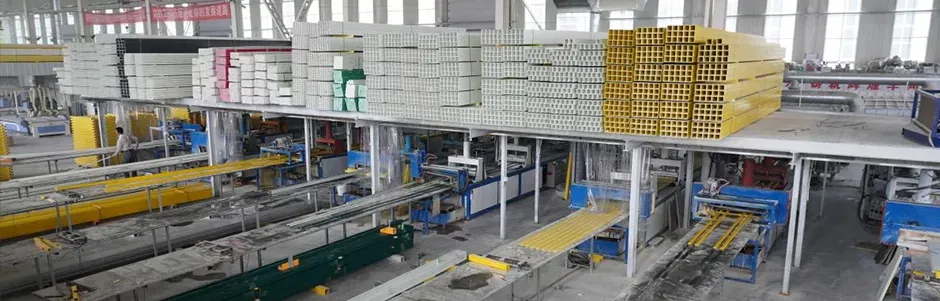
Storage rack roll forming machines are specialized production systems employed in the manufacturing of components for industrial storage solutions. Positioned within the broader material handling equipment sector, these machines utilize a continuous bending process to shape metal strip – typically steel or stainless steel – into the desired profiles for uprights, beams, and other structural elements of storage racks. Core performance characteristics include production speed, profile accuracy, material thickness capability, and automated control features. The demand for efficient and robust storage solutions across warehousing, distribution, and manufacturing fuels the importance of these machines. A critical pain point for users is maintaining dimensional tolerances across high-volume production runs, alongside mitigating material yield loss and ensuring consistent mechanical properties in the finished profiles. Optimizing roll form tooling design and process parameters is vital for addressing these concerns.
Material Science & Manufacturing
The primary raw material for storage rack roll forming is typically carbon steel (ASTM A1008, grades 33, 36, 40) or stainless steel (304/316 – ASTM A666). Steel selection hinges on load-bearing requirements and environmental exposure. Carbon steel provides cost-effectiveness and high tensile strength, while stainless steel offers superior corrosion resistance, particularly in humid or corrosive environments. Material properties like yield strength, tensile strength, and elongation are crucial. Prior to forming, the steel undergoes surface preparation – often including cleaning, pickling, and the application of protective coatings (e.g., zinc, epoxy) to enhance corrosion resistance.
The roll forming process itself involves continuously passing the steel strip through a series of shaped rollers. Each roller incrementally bends the material closer to the final profile. Key parameters include roller material (typically high-strength tool steel – D2 or similar), roller diameter, roller spacing, and forming speed. Lubrication is critical, employing oils designed for high-speed metal forming to reduce friction and prevent surface damage. Forming speed and material thickness are inversely related; thicker materials require slower speeds and more robust tooling. Automated control systems, including Programmable Logic Controllers (PLCs), monitor and adjust these parameters in real-time to maintain consistent profile dimensions and material properties. Post-forming operations may include cut-to-length sawing, hole punching (for connector attachments), and secondary finishing processes like deburring and coating.
Performance & Engineering
Performance of storage rack components formed by these machines is dictated by structural integrity under load. Force analysis, based on principles of beam bending and buckling resistance, determines the required section modulus and material thickness to withstand anticipated loads. Finite Element Analysis (FEA) is extensively used to simulate stress distribution and identify potential failure points in rack profiles. Environmental resistance is paramount; coatings must withstand corrosion from humidity, chemicals, and physical abrasion. Compliance with industry standards – specifically RMI (Rack Manufacturers Institute) specifications and EN 15512 (European standard for steel static shelving) – is non-negotiable. These standards dictate load capacities, deflection limits, and material testing requirements.
Engineering considerations extend to tooling design. Roll tooling is not simply a replication of the desired profile; it incorporates a carefully calculated sequence of bends, each progressively closer to the final shape. Incorrectly designed tooling can lead to material springback, distortion, and dimensional inaccuracies. The roll forming machine’s rigidity and alignment are also critical. Misalignment introduces uneven pressure on the material, causing profile inconsistencies. Automated gauge control systems, employing sensors to monitor strip width and thickness, are integrated to compensate for material variations and maintain dimensional accuracy. Further, the machine’s cooling system is vital, especially during high-speed production, to prevent thermal expansion of the tooling and subsequent dimensional drift.
Technical Specifications
| Parameter | Specification | Units | Tolerance |
|---|---|---|---|
| Maximum Material Thickness | 3.0 | mm | ±0.1 |
| Maximum Material Width | 1250 | mm | ±1 |
| Forming Speed | 60 | m/min | ±5 |
| Number of Forming Stations | 20 | - | - |
| Roll Material | Cr12MoV | - | - |
| Control System | PLC (Siemens/Mitsubishi) | - | - |
Failure Mode & Maintenance
Common failure modes in roll-formed storage rack components include fatigue cracking at bend radii (induced by cyclic loading), delamination of protective coatings (due to poor adhesion or environmental exposure), and dimensional inaccuracies leading to improper rack assembly. Fatigue cracking is exacerbated by stress concentrations at weld points or sharp corners. Corrosion, particularly in environments with high chloride content, accelerates material degradation and reduces load-bearing capacity.
Preventive maintenance is crucial. This includes regular inspection of roll tooling for wear and damage (chipping, pitting, erosion), lubrication of all moving parts, and calibration of control systems. Tooling should be replaced or re-hardened when wear exceeds permissible limits. Alignment checks should be performed periodically to ensure accurate forming. The hydraulic system (if applicable) requires regular fluid changes and filter replacements. Detailed record-keeping of maintenance activities and component replacements is essential for tracking performance and predicting future failures. Non-destructive testing methods, such as ultrasonic testing, can be used to detect internal cracks and defects in critical components. Furthermore, surface treatment inspection is vital, evaluating coating thickness and adhesion to prevent corrosion-related failures.
Industry FAQ
Q: What is the typical lifespan of roll tooling for a high-volume storage rack production line?
A: The lifespan of roll tooling is heavily dependent on material throughput, material hardness, and lubrication practices. Under optimal conditions, with high-quality tool steel and consistent lubrication, tooling can last between 500,000 and 1,000,000 linear meters of material. However, regular inspection and maintenance are critical to detect wear and prevent catastrophic failure. The tooling should be re-hardened or replaced when dimensional accuracy is compromised.
Q: How does material springback affect the accuracy of roll-formed profiles?
A: Material springback is the tendency of the material to return partially towards its original shape after being bent. It’s a significant factor in roll forming accuracy. Tooling design must compensate for springback by overbending the material slightly during forming. The amount of overbend is determined empirically through testing and FEA simulations, taking into account material properties and forming parameters.
Q: What are the key considerations for selecting a suitable coating for storage rack components?
A: Coating selection depends on the anticipated environment. For indoor use, powder coating provides excellent durability and corrosion resistance. For outdoor applications or corrosive environments, hot-dip galvanizing is preferred due to its superior corrosion protection. Epoxy coatings offer good chemical resistance but may be less durable than galvanizing. Coating thickness and adhesion are critical parameters to monitor.
Q: How do you ensure consistent material thickness control during the roll forming process?
A: Consistent material thickness control relies on several factors. First, sourcing material with tight thickness tolerances from a reputable supplier is essential. Second, utilizing an automated gauge control system with closed-loop feedback is crucial. This system measures the strip thickness in real-time and adjusts the roll pressure to compensate for variations. Finally, regular calibration of the gauge and proper maintenance of the material feeding system are vital.
Q: What role does lubrication play in extending the life of roll forming tooling and improving product quality?
A: Lubrication minimizes friction between the material and the tooling, reducing wear and preventing surface damage. This extends the life of the tooling and improves the surface finish of the formed profiles. The lubricant also acts as a coolant, dissipating heat generated during the forming process. The correct lubricant type, application method, and frequency are critical for optimal performance.
Conclusion
Storage rack roll forming machines represent a critical link in the supply chain for material handling solutions. Their performance is intrinsically tied to material science, precise engineering, and meticulous process control. Maintaining dimensional accuracy, ensuring structural integrity under load, and providing robust corrosion resistance are paramount concerns. Adherence to industry standards (RMI, EN 15512) is non-negotiable for ensuring safety and compliance.
Future advancements in this field will likely focus on integrating artificial intelligence (AI) for real-time process optimization, developing more durable and wear-resistant tooling materials, and implementing advanced sensor technologies for predictive maintenance. The continued demand for efficient and safe storage solutions will drive innovation in roll forming technology, emphasizing automation, precision, and sustainability.