
Apr . 01, 2024 17:55 Back to list
Pipe Mill Suppliers Performance Analysis
Introduction
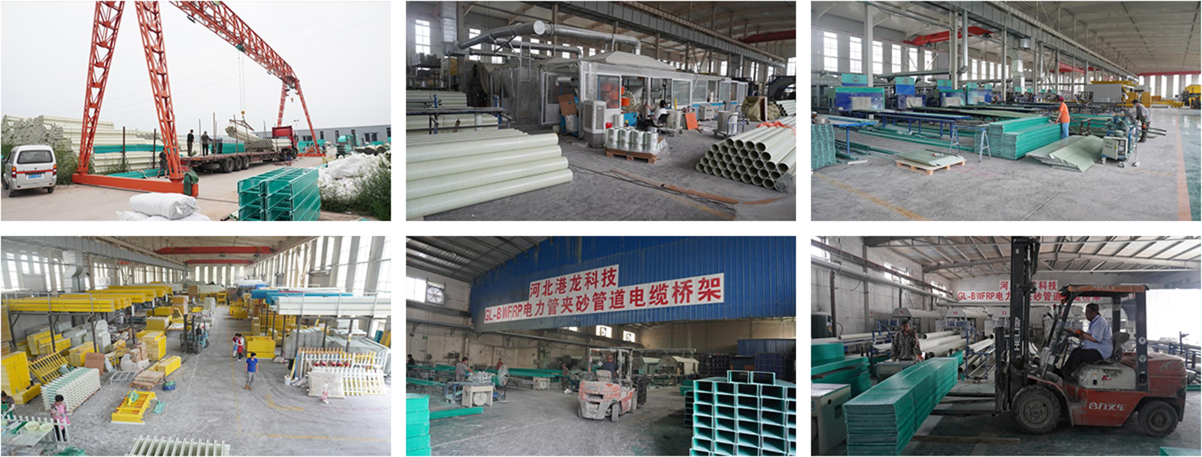
Pipe mills are critical suppliers within the broader infrastructure and energy sectors, specializing in the manufacturing of tubular products used for fluid and gas transportation, structural applications, and numerous other industrial purposes. These suppliers serve diverse industries including oil & gas, water management, construction, and automotive, demanding a high degree of precision, material integrity, and adherence to stringent industry standards. The core performance characteristics of pipes – encompassing dimensional accuracy, mechanical strength, corrosion resistance, and weldability – directly impact the safety, reliability, and longevity of the systems they comprise. This guide provides an in-depth technical overview of pipe manufacturing, material properties, performance considerations, potential failure modes, and relevant international standards for procurement managers and engineers evaluating pipe mill suppliers. A key pain point within the industry is consistent quality control across varying production runs and the validation of material traceability to meet project-specific specifications. Furthermore, fluctuating raw material costs and the demand for specialized alloys necessitate a thorough understanding of supplier capabilities in both sourcing and processing.
Material Science & Manufacturing
The primary raw material for pipe manufacturing is carbon steel, although alloy steels, stainless steels, and increasingly, non-metallic materials like reinforced polymers are employed for specialized applications. Carbon steel grades are categorized based on carbon content, influencing strength, ductility, and weldability. Low-carbon steels (e.g., A53 Grade B) offer good formability, while high-carbon steels provide increased strength but reduced ductility. Alloy steels incorporate elements like manganese, chromium, and molybdenum to enhance specific properties such as corrosion resistance or high-temperature strength. Stainless steels (e.g., 304, 316) provide superior corrosion resistance but are more costly. The manufacturing process typically involves several stages. First, steel billets or blooms are heated and formed into seamless or welded pipes. Seamless pipe production utilizes processes like mandrel milling or extrusion, creating a hollow tube directly from the solid billet. Welded pipe manufacturing involves forming steel strips into a cylindrical shape and joining the edges through electric resistance welding (ERW), submerged arc welding (SAW), or high-frequency induction welding (HFIW). Critical process parameters include controlled heating and cooling rates to optimize grain structure, precise control of welding current and voltage to ensure complete fusion and minimal defects, and accurate dimensional control throughout the forming process. Post-welding, pipes undergo non-destructive testing (NDT) such as ultrasonic testing, radiographic testing, and hydrostatic testing to verify integrity. Surface treatments like galvanizing or epoxy coating are often applied for corrosion protection. Material certifications, including mill test reports (MTRs) verifying chemical composition and mechanical properties, are crucial for quality assurance.
Performance & Engineering
Pipe performance is dictated by its ability to withstand internal and external pressures, resist corrosion, and maintain structural integrity under various operating conditions. Force analysis, including hoop stress calculations and buckling analysis, is essential to determine the appropriate pipe wall thickness and material selection for specific applications. Hoop stress, arising from internal pressure, is a circumferential tensile stress that must be adequately resisted by the pipe material. Buckling analysis assesses the pipe's susceptibility to collapse under external loads or compressive stresses. Environmental resistance is a critical consideration, particularly in corrosive environments. Corrosion can manifest as general corrosion (uniform metal loss), pitting corrosion (localized attack), or stress corrosion cracking (SCC). Material selection, protective coatings, and cathodic protection systems are employed to mitigate corrosion. Compliance requirements vary depending on the application and geographical location. For example, pipelines transporting oil and gas are subject to regulations outlined by DOT (Department of Transportation) in the US, and similar agencies globally. API (American Petroleum Institute) standards (e.g., API 5L, API 650) provide detailed specifications for pipe manufacturing, testing, and performance. Functional implementation also involves considering factors like thermal expansion and contraction, which can induce stresses in the pipeline system. Expansion loops or flexible connectors are often incorporated to accommodate these movements. Furthermore, the effects of fluid flow velocity and turbulence on erosion and corrosion rates must be evaluated.
Technical Specifications
| Parameter | API 5L Grade B | ASTM A36 Steel | 304/304L Stainless Steel | ERW (Electric Resistance Welded) |
|---|---|---|---|---|
| Yield Strength (MPa) | 240 | 250 | 205 | Variable, depending on base material |
| Tensile Strength (MPa) | 485 | 400 | 515 | Variable, depending on base material |
| Elongation (%) | 22 | 20 | 30 | Variable, depending on base material |
| Wall Thickness Range (mm) | 2-25 | 3-25 | 1-10 | 2-20 |
| Outer Diameter Range (mm) | 10-1220 | 10-660 | 6-660 | 10-660 |
| Corrosion Rate (mm/year in seawater) | 0.1-0.5 | 0.2-1.0 | <0.01 | Dependent on weld quality & coating |
Failure Mode & Maintenance
Pipe failures can arise from several mechanisms. Fatigue cracking occurs due to cyclic loading, particularly in pipelines subjected to pressure fluctuations or vibration. Corrosion-induced failures include pitting corrosion leading to localized wall thinning and stress corrosion cracking initiated by tensile stresses in corrosive environments. Weld defects, such as porosity, lack of fusion, or cracking, can compromise the structural integrity of welded pipes. Mechanical damage, resulting from impact or abrasion, can also lead to failure. Delamination can occur in coated pipes due to inadequate adhesion or corrosion under the coating. Oxidation at high temperatures can weaken the pipe material. Preventative maintenance programs are crucial for mitigating these risks. Regular inspection using NDT methods (ultrasonic testing, radiographic testing, visual inspection) can detect early signs of corrosion or cracking. Protective coatings should be regularly inspected and repaired. Cathodic protection systems require monitoring to ensure proper functionality. Hydrostatic testing can verify the integrity of the pipeline system. Proper storage and handling procedures are essential to prevent mechanical damage. For welded pipes, weld procedure qualification records (WPQR) and welder performance qualifications (WPQ) must be maintained to ensure weld quality. A robust failure analysis program should be in place to investigate failures and identify root causes to prevent recurrence.
Industry FAQ
Q: What are the key differences between seamless and welded pipe, and when would you recommend one over the other?
A: Seamless pipe is manufactured from a single billet of steel and offers superior strength and resistance to burst pressure, making it ideal for high-pressure applications like oil and gas transmission. Welded pipe is generally more cost-effective and readily available in larger diameters. However, the weld seam represents a potential weakness. For lower-pressure applications or where cost is a primary concern, welded pipe is often suitable, provided it meets the necessary quality and testing standards. The application's operating pressure, temperature, and corrosive environment are the primary factors determining the optimal choice.
Q: What level of traceability should I expect from a reputable pipe mill supplier?
A: A reputable supplier should provide complete material traceability, including Mill Test Reports (MTRs) for each batch of steel, detailing chemical composition, mechanical properties, and heat treatment records. They should also maintain records of the manufacturing process, including welding procedures, NDT results, and dimensional inspections. Positive Material Identification (PMI) testing may be performed to verify the alloy composition. This traceability is critical for ensuring compliance with project specifications and demonstrating product quality.
Q: What are the implications of different coating types (e.g., epoxy, galvanizing) on corrosion resistance and lifespan?
A: Epoxy coatings provide a durable barrier against corrosion, offering good resistance to chemicals and abrasion. However, they can be susceptible to damage from UV exposure and mechanical impact. Galvanizing (zinc coating) provides sacrificial corrosion protection, meaning the zinc corrodes preferentially to the steel. It’s cost-effective but less durable than epoxy in highly corrosive environments. The optimal coating depends on the specific environment and the level of protection required. Duplex systems (e.g., epoxy over galvanizing) combine the benefits of both coatings.
Q: How do variations in raw material prices impact lead times and pricing from pipe mill suppliers?
A: Fluctuations in raw material prices, particularly steel billet and alloy elements, directly impact pipe pricing. Suppliers often incorporate price adjustment clauses into contracts to account for these variations. Significant price increases can also lead to increased lead times as suppliers may prioritize orders or adjust production schedules. Establishing long-term supply agreements can help mitigate price volatility and ensure consistent availability.
Q: What Non-Destructive Testing (NDT) methods are commonly employed to ensure pipe quality, and what do they detect?
A: Common NDT methods include Ultrasonic Testing (UT) which detects internal flaws such as cracks, porosity, and inclusions; Radiographic Testing (RT) uses X-rays to visualize internal defects; Magnetic Particle Inspection (MPI) detects surface and near-surface cracks in ferromagnetic materials; and Hydrostatic Testing which assesses the pipe's ability to withstand pressure. Liquid Penetrant Inspection (LPI) reveals surface defects. The appropriate NDT method depends on the type of defect being sought and the material of the pipe.
Conclusion
Selecting a suitable pipe mill supplier demands a comprehensive understanding of material science, manufacturing processes, performance characteristics, and potential failure modes. Prioritizing suppliers who demonstrate robust quality control systems, complete material traceability, and adherence to relevant industry standards (API, ASTM, ISO) is paramount. Careful consideration of application-specific requirements – including operating pressure, temperature, and corrosive environment – will dictate the optimal material selection and manufacturing method.
Looking ahead, the industry is witnessing increased demand for high-strength, corrosion-resistant alloys and specialized coatings to meet the challenges of harsh operating environments and stringent environmental regulations. Furthermore, digitalization and the implementation of advanced inspection technologies are driving improvements in quality control and process optimization. By fostering strong partnerships with knowledgeable pipe mill suppliers and embracing technological advancements, organizations can ensure the long-term reliability and safety of their critical infrastructure.