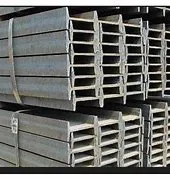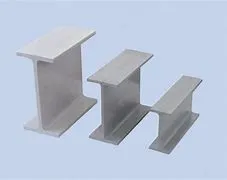
Carbon steel angle
Carbon Steel Angle
The Carbon Steel Angle is a vital structural component in various industries, offering exceptional strength and versatility. Commonly used in construction, manufacturing, and engineering applications, carbon steel angles are designed to meet the demanding requirements of modern infrastructure. With precise dimensions and robust characteristics, these angles provide reliable support and stability in a multitude of projects.
Key Features
- High Strength: Carbon steel angles are known for their superior tensile strength, making them ideal for heavy-duty applications.
- Durability: Resistant to wear and tear, these angles maintain their integrity over time, even in harsh environments.
- Versatility: Available in various sizes and thicknesses, carbon steel angles can be tailored to meet specific project needs.
- Cost-Effective: Offering excellent value for money, carbon steel angles are an economical choice for large-scale projects.
- Easy to Fabricate: Their ease of cutting, welding, and machining allows for quick integration into existing structures.
Technical Specifications
| Specification | Details |
|---|---|
| Material | Carbon Steel |
| Standard | ASTM A36 / A572 |
| Thickness | 5mm to 40mm |
| Length | 6m, 12m, custom lengths available |
| Width | 25mm to 150mm |
| Weight | Varies based on dimensions |
Application Scenarios
The versatility of carbon steel angles makes them suitable for a wide range of applications:
- Construction: Used as structural supports in buildings, bridges, and other infrastructure projects.
- Manufacturing: Employed in the production of machinery and equipment, providing essential framing and bracing.
- Automotive: Utilized in vehicle frameworks and components, enhancing structural integrity.
- Shipbuilding: Ideal for constructing hulls and other critical parts of marine vessels.
- Furniture Manufacturing: Often used in the production of durable and stylish furniture frames.
Advantages
Choosing carbon steel angles offers several distinct advantages:
- Enhanced Stability: Their L-shape design provides excellent load distribution, ensuring structural stability.
- Resistance to Deformation: The inherent strength of carbon steel minimizes the risk of bending or warping under heavy loads.
- Wide Availability: Carbon steel angles are readily available in various sizes, making them easy to source for projects of any scale.
- Environmentally Friendly: Carbon steel is recyclable, contributing to sustainable construction practices.
- Custom Fabrication: We offer customization options to meet specific project requirements, including cutting and finishing services.
Why Choose Us
When it comes to sourcing carbon steel angles, our company stands out for several reasons:
- Quality Assurance: We adhere to strict quality control measures to ensure our products meet international standards.
- Expertise: With years of experience in the industry, our team provides knowledgeable guidance and support throughout your purchasing journey.
- Competitive Pricing: We offer some of the most competitive prices in the market without compromising on quality.
- Timely Delivery: Our efficient logistics ensure that your orders arrive on time, helping you stay on schedule.
- Customer-Centric Approach: We prioritize customer satisfaction and are committed to building long-term partnerships.
FAQ
1. What is a carbon steel angle?
A carbon steel angle is a structural steel product that has an L-shaped cross-section. It is used in construction and manufacturing to provide support and stability in various applications.
2. How is carbon steel angle measured?
Carbon steel angles are typically measured by their leg length and thickness. For example, a 50mm x 50mm x 5mm angle has legs that are 50mm long and a thickness of 5mm.
3. Can carbon steel angles be customized?
Yes, we offer customization options for carbon steel angles to suit specific project needs, including cutting to length and finishing options.
4. Are carbon steel angles resistant to corrosion?
While carbon steel is strong, it is susceptible to corrosion. It is recommended to apply protective coatings or finishes to enhance corrosion resistance, especially in outdoor applications.
5. What industries commonly use carbon steel angles?
Common industries include construction, manufacturing, automotive, shipbuilding, and furniture manufacturing, where structural integrity is crucial.