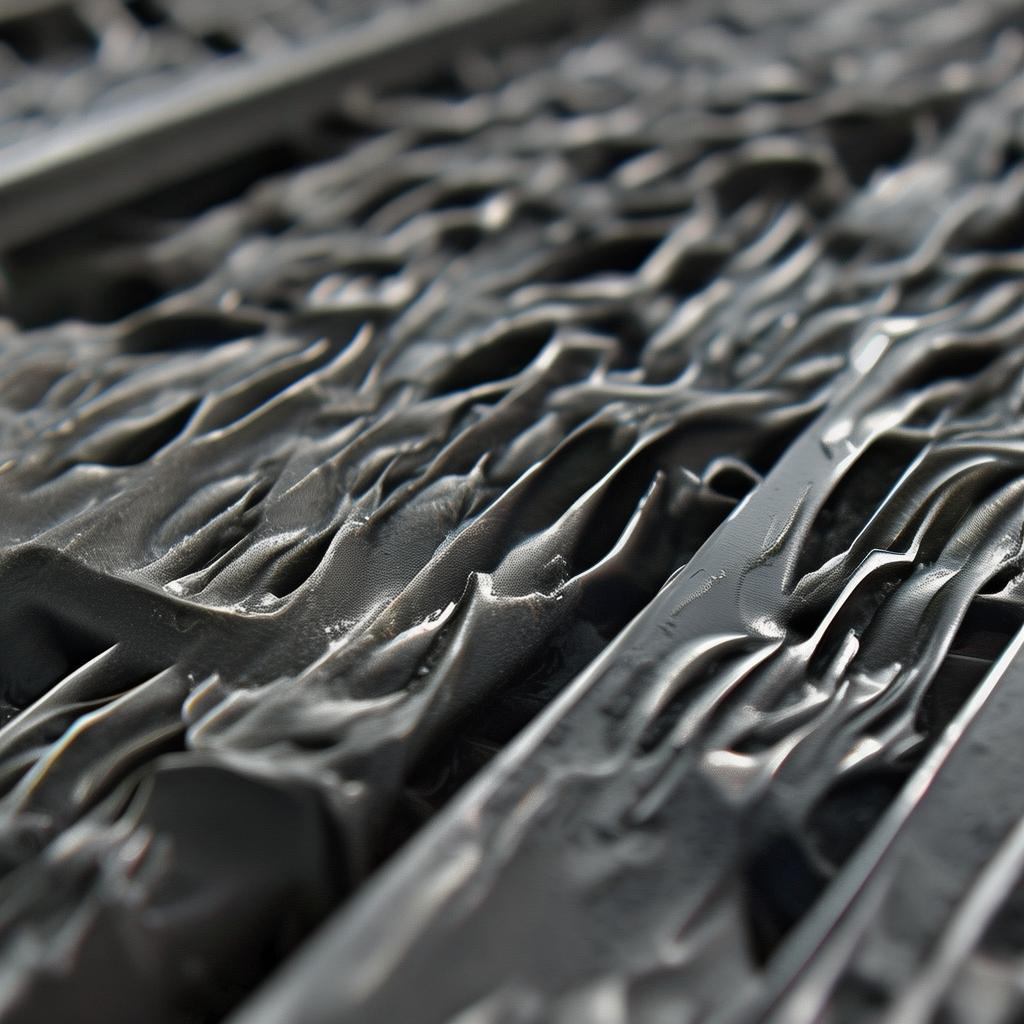
composite rebar
Composite Rebar
Product Overview
Composite rebar, a revolutionary advancement in construction materials, is designed to offer superior strength and durability while being lightweight and corrosion-resistant. Made from a combination of polymer and other composite materials, composite rebar is an ideal alternative to traditional steel rebar, particularly in environments where corrosion is a concern. Its unique properties make it suitable for a wide range of applications, enhancing the longevity and structural integrity of concrete structures.
Key Features
- Corrosion Resistance: Unlike steel, composite rebar does not rust, ensuring the longevity of the structures it reinforces.
- Lightweight: Composite rebar is significantly lighter than steel rebar, making it easier to handle and install, which can reduce labor costs.
- High Strength-to-Weight Ratio: Provides excellent tensile strength while minimizing weight, perfect for various construction applications.
- Non-Magnetic: Ideal for use in environments sensitive to magnetic interference, including MRI facilities and data centers.
- Environmentally Friendly: Made from recyclable materials, composite rebar is a sustainable choice for modern construction.
Technical Specifications
| Specification | Value |
|---|---|
| Material | Glass Fiber Reinforced Polymer (GFRP) |
| Diameter | 10 mm to 32 mm |
| Tensile Strength | > 600 MPa |
| Modulus of Elasticity | > 40 GPa |
| Temperature Resistance | -40°C to +80°C |
| Weight | 1.8 - 2.5 kg/m |
Application Scenarios
Composite rebar is suitable for a variety of applications, including:
- Bridges: Providing structural support without the risk of corrosion.
- Marine Structures: Ideal for piers, docks, and seawalls where exposure to saltwater is prevalent.
- Parking Structures: Enhancing durability and reducing maintenance costs in environments subjected to de-icing chemicals.
- Foundations: Offering increased stability and longevity for residential and commercial buildings.
- Infrastructure Projects: Used in roads, tunnels, and other critical infrastructure where traditional materials may fail.
Advantages
Choosing composite rebar over traditional materials yields numerous advantages:
- Cost-Effective: While the initial investment may be higher, the long-term savings in maintenance and replacement significantly outweigh the upfront costs.
- Reduced Weight: The lightweight nature of composite rebar allows for easier transportation and installation, leading to reduced labor costs.
- Enhanced Durability: The resistance to corrosion and environmental degradation extends the lifespan of structures.
- Increased Safety: With no risk of rust, composite rebar maintains structural integrity, enhancing overall safety.
- Versatile Design: The adaptability of composite rebar makes it suitable for various design specifications and construction methods.
Why Choose Us
When it comes to sourcing high-quality composite rebar, we stand out in the industry for several reasons:
- Expertise: Our team consists of seasoned professionals with extensive knowledge of composite materials and construction applications.
- Quality Assurance: We adhere to stringent quality control processes, ensuring our composite rebar meets international standards.
- Custom Solutions: We offer customized solutions tailored to meet the specific needs of your projects, ensuring optimal performance.
- Global Reach: With a robust supply chain and distribution network, we deliver composite rebar solutions worldwide.
- Customer Support: Our dedicated customer service team is always ready to assist with inquiries, ensuring a seamless experience.
FAQ
1. What is composite rebar made from?
Composite rebar is primarily made from glass fiber reinforced polymer (GFRP), which provides exceptional strength and corrosion resistance.
2. How does composite rebar compare to steel rebar?
Composite rebar is lighter, corrosion-resistant, and non-magnetic compared to steel rebar, making it a superior choice in many applications.
3. Can composite rebar be used in high-temperature environments?
Yes, composite rebar can withstand temperatures ranging from -40°C to +80°C, making it suitable for diverse environmental conditions.
4. Is composite rebar recyclable?
Yes, composite rebar is made from recyclable materials, making it an environmentally friendly option for construction projects.
5. What are the benefits of using composite rebar in marine applications?
Composite rebar’s resistance to saltwater corrosion makes it an ideal choice for marine structures like piers and docks, significantly extending their lifespan.