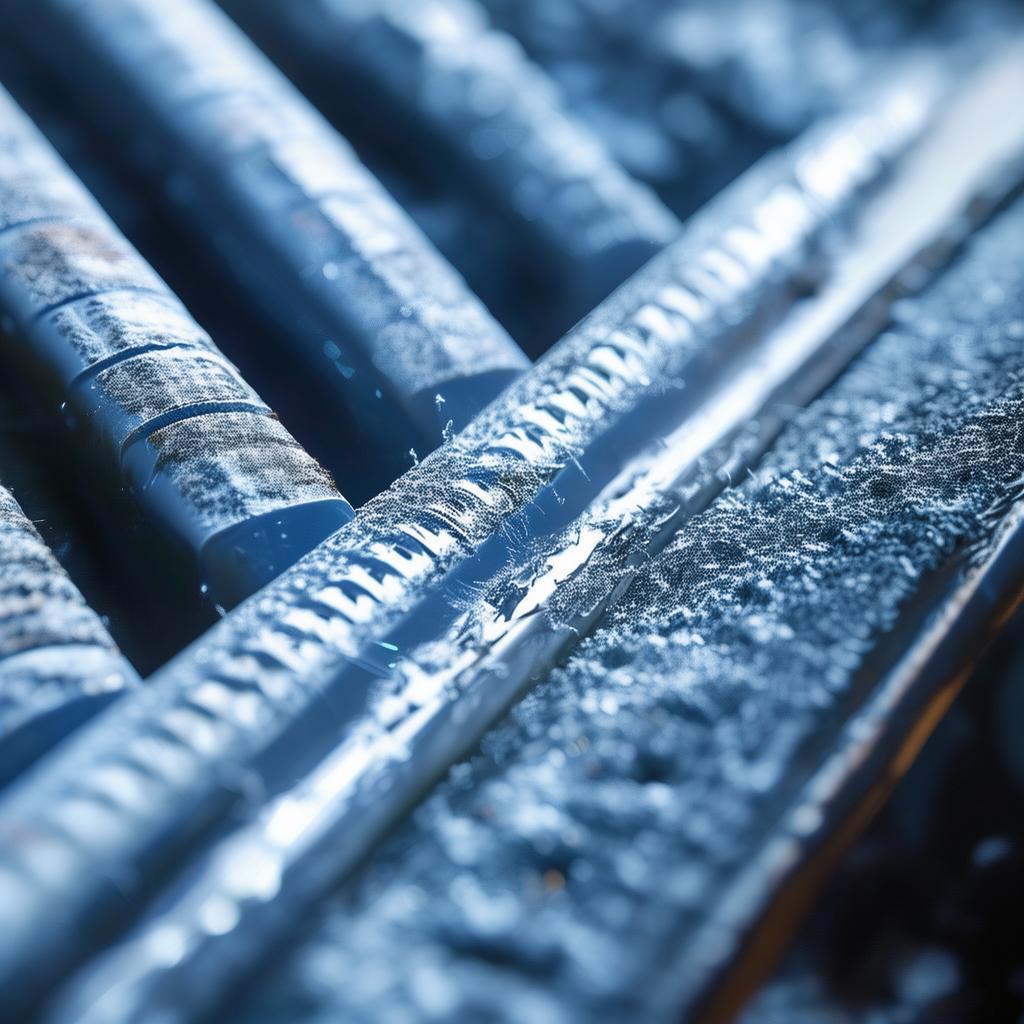
fiberglass frp rebar
Fiberglass FRP Rebar
The fiberglass FRP rebar is an innovative, corrosion-resistant reinforcement solution designed to meet the demanding requirements of modern construction projects. Made from high-strength fiberglass, this composite material offers superior tensile strength and durability compared to traditional steel rebar, making it an ideal choice for a variety of applications in both commercial and residential construction.
Key Features
- Corrosion Resistance: Unlike steel, fiberglass FRP rebar is immune to rust and corrosion, ensuring longevity in harsh environments.
- Lightweight: The lightweight nature of fiberglass allows for easier handling and installation, reducing labor costs.
- High Strength-to-Weight Ratio: Offers excellent tensile strength, enhancing the structural integrity of concrete structures.
- Thermal Insulation: Fiberglass FRP rebar does not conduct electricity or heat, making it a safe choice for various applications.
- Environmentally Friendly: Made from sustainable materials, it is a greener alternative to traditional rebar options.
Technical Specifications
| Specification | Value |
|---|---|
| Material | Fiberglass Reinforced Polymer (FRP) |
| Diameter Options | 6mm, 8mm, 10mm, 12mm, 16mm, 20mm |
| Tensile Strength | Up to 800 MPa |
| Weight | Approximately 75% lighter than steel rebar |
| Thermal Conductivity | 0.30 W/mK |
| Corrosion Resistance | Excellent; non-corrosive in various environments |
Application Scenarios
The fiberglass FRP rebar is suitable for a wide range of applications, including:
- Bridges: Ideal for use in bridge decks and structural components where corrosion is a concern.
- Parking Garages: Provides reinforcement in areas exposed to de-icing salts and moisture.
- Marine Structures: Perfect for docks, piers, and seawalls due to its resistance to seawater.
- Wastewater Treatment Plants: Ensures durability and longevity in environments with high chemical exposure.
- Roofing Systems: Used in lightweight concrete roofs, enhancing structural performance without added weight.
Advantages
The advantages of choosing fiberglass FRP rebar over traditional steel options are numerous:
- Cost-Effective: While the initial investment may be higher, the long-term savings due to reduced maintenance and replacement costs are significant.
- Increased Lifespan: The durability of fiberglass FRP rebar leads to extended service life of concrete structures.
- Reduced Weight: Lighter than steel, it simplifies transportation and installation processes.
- Enhanced Safety: Non-conductive properties eliminate electrical hazards, making it safer for workers and projects.
- Versatility: Can be used in a variety of environmental conditions, making it suitable for diverse applications.
Why Choose Us
When it comes to sourcing fiberglass FRP rebar, we stand out as a preferred supplier for several reasons:
- Quality Assurance: Our products are manufactured to the highest industry standards, ensuring reliability and performance.
- Expertise: With years of experience in the field, our team of experts is here to provide guidance and support tailored to your project needs.
- Global Reach: We excel in international trade, supplying high-quality fiberglass FRP rebar to clients around the world.
- Custom Solutions: We understand that each project is unique; hence, we offer customized solutions to meet specific requirements.
- Customer Satisfaction: Our commitment to excellent service ensures that our clients enjoy a seamless purchasing experience.
FAQ
1. What is fiberglass FRP rebar?
Fiberglass FRP rebar is a composite reinforcement material made from fiberglass, designed to provide high tensile strength and corrosion resistance in concrete structures.
2. How does fiberglass FRP rebar compare to steel rebar?
Fiberglass FRP rebar is lighter, corrosion-resistant, and offers a similar or superior tensile strength compared to steel rebar, making it a more durable option in many applications.
3. Can fiberglass FRP rebar be used in all weather conditions?
Yes, fiberglass FRP rebar performs well in various weather conditions, including extreme temperatures and humidity, without the risk of corrosion or degradation.
4. Is fiberglass FRP rebar more expensive than steel rebar?
While the initial cost of fiberglass FRP rebar may be higher than steel, the long-term savings in maintenance and replacement make it a cost-effective choice over time.
5. How is fiberglass FRP rebar installed?
Installation of fiberglass FRP rebar is similar to that of steel rebar. It requires proper spacing and placement, and it can be cut, bent, and tied just like traditional rebar.