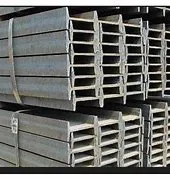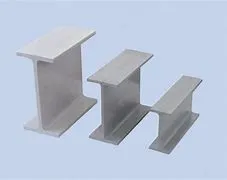
frp bars
FRP Bars - High-Performance Solutions for Modern Construction
FRP bars, or Fiber Reinforced Polymer bars, are advanced composite materials designed to provide exceptional strength and durability for various industrial applications. These innovative bars are engineered to outperform traditional materials like steel and concrete, offering unique benefits such as corrosion resistance, lightweight design, and enhanced structural integrity. In this comprehensive product page, we will explore the key features, technical specifications, applications, advantages, and why you should choose our FRP bars for your next project.
Key Features
- Corrosion Resistance: FRP bars are impervious to harsh environmental conditions, making them ideal for use in corrosive environments.
- Lightweight: With significantly less weight than steel, FRP bars are easier to transport and install, reducing labor costs.
- High Strength-to-Weight Ratio: These bars provide exceptional tensile strength, ensuring robust structural performance.
- Non-Conductive: FRP bars are non-magnetic and non-conductive, making them suitable for electrical applications.
- Customizable: Available in various sizes and configurations to meet specific project requirements.
Technical Specifications
| Property | Specification |
|---|---|
| Material | Fiber Reinforced Polymer |
| Tensile Strength | ≥ 600 MPa |
| Density | 1.5 - 1.9 g/cm³ |
| Elongation at Break | 2% - 5% |
| Thermal Conductivity | 0.2 - 0.4 W/m·K |
| Length Options | 2m, 4m, 6m, custom lengths available |
Application Scenarios
FRP bars are versatile and can be utilized across various industries, including:
- Construction: Used in reinforced concrete structures, bridges, and buildings where high strength and lightweight properties are essential.
- Marine: Ideal for docks, piers, and offshore structures, where exposure to saltwater can impact traditional materials.
- Infrastructure: Perfect for use in tunnels, highways, and railways, providing durable solutions in challenging environments.
- Electrical: Employed in electrical and telecommunications infrastructure due to their non-conductive properties.
- Aerospace: Used in specialized applications where weight reduction is critical without compromising strength.
Advantages
The adoption of FRP bars offers numerous advantages over conventional materials:
- Extended Lifespan: Due to their resistance to corrosion and environmental degradation, FRP bars significantly extend the lifespan of structures.
- Reduced Maintenance Costs: The durability of FRP bars leads to lower maintenance requirements, saving time and money over the long term.
- Improved Safety: Lightweight design and non-conductive properties enhance safety during installation and operation.
- Environmental Compatibility: FRP materials are often considered more environmentally friendly, as they can be manufactured with recyclable materials.
- Design Flexibility: FRP bars can be easily integrated into a variety of designs, accommodating complex architectural requirements.
Why Choose Us
When it comes to sourcing FRP bars, our commitment to quality and customer satisfaction sets us apart:
- Expertise: With years of experience in the industry, we understand the specific needs of our clients and provide tailored solutions.
- Quality Assurance: Our FRP bars undergo rigorous testing and quality control processes to ensure compliance with international standards.
- Competitive Pricing: We offer high-quality products at competitive prices, ensuring excellent value for your investment.
- Timely Delivery: We respect project timelines and ensure prompt delivery of our products to keep your projects on track.
- Comprehensive Support: Our dedicated customer support team is readily available to assist you with any inquiries or technical support you may need.
FAQ
1. What are FRP bars made of?
FRP bars are primarily made from a combination of fiberglass and resin, which provide their unique strength and durability characteristics.
2. How do FRP bars compare to steel reinforcement bars?
FRP bars are lighter, more corrosion-resistant, and non-conductive compared to steel reinforcement bars, making them suitable for a wider range of applications.
3. Can FRP bars be used in high-temperature environments?
FRP bars have a thermal resistance, but their performance may vary based on the specific resin used. It is essential to consult with us for applications involving high temperatures.
4. Are FRP bars environmentally friendly?
Yes, FRP bars can be made from recyclable materials and are often considered more sustainable compared to traditional materials.
5. What lengths are available for FRP bars?
We offer various standard lengths, including 2m, 4m, and 6m, with custom lengths available upon request to suit your project needs.