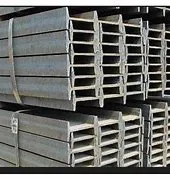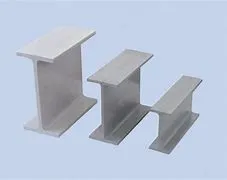
frp structures
FRP Structures
Introducing our premium FRP structures, designed to meet the requirements of various industrial applications. FRP, or Fiber-Reinforced Polymer, is a composite material known for its high strength-to-weight ratio and outstanding resistance to corrosion. Our FRP structures are engineered to provide superior performance while reducing maintenance costs, making them an ideal choice for businesses looking to enhance their operational efficiency.
Key Features
- Lightweight and Durable: Our FRP structures are significantly lighter than traditional materials, allowing for easier installation and transport.
- Corrosion Resistance: Built to withstand harsh environments, FRP structures resist deterioration from chemicals, moisture, and UV exposure.
- High Strength: Designed to bear substantial loads, these structures offer exceptional strength without the bulk.
- Low Thermal Conductivity: FRP materials provide excellent insulation properties, making them suitable for temperature-sensitive applications.
- Customizable Designs: We offer tailored solutions to meet specific project requirements, ensuring optimal performance and aesthetics.
Technical Specifications
| Specification | Details |
|---|---|
| Material Type | Fiber-Reinforced Polymer (FRP) |
| Density | 1.5 - 2.0 g/cm³ |
| Tensile Strength | Up to 700 MPa |
| Flexural Strength | Up to 300 MPa |
| Thermal Conductivity | 0.25 W/m·K |
| Color Options | Custom colors available |
Application Scenarios
FRP structures are versatile and can be utilized across various industries, including:
- Aerospace: Lightweight components for aircraft and spacecraft, enhancing fuel efficiency.
- Construction: Structural supports and cladding materials that resist environmental effects.
- Water Treatment: Tanks and piping systems that withstand corrosion from harsh chemicals.
- Marine: Components for boats and ships that require resistance to saltwater and UV degradation.
- Electrical: Insulating structures for power generation and distribution equipment.
Advantages
Choosing FRP structures offers numerous benefits:
- Cost-Effective: Reduced maintenance and longer service life lead to lower overall costs.
- Environmental Impact: Lower energy consumption during production and use help minimize your carbon footprint.
- Enhanced Safety: Non-conductive and non-corrosive properties make FRP structures safer for workers and the environment.
- Quick Installation: Lightweight materials allow for faster assembly and reduced labor costs.
Why Choose Us
Our company is a leader in the production of FRP structures, with a commitment to quality, innovation, and customer satisfaction. Here’s why you should partner with us:
- Expertise: With years of experience in the industry, our team of engineers and designers ensures that all products meet rigorous standards.
- Quality Assurance: We implement strict quality control measures throughout the manufacturing process to guarantee the highest product quality.
- Comprehensive Support: From design consultation to post-installation support, we are with you every step of the way.
- Global Reach: We serve clients worldwide, adapting our solutions to meet local regulations and requirements.
FAQ
1. What are FRP structures made of?
FRP structures are composed of a polymer matrix reinforced with fibers, typically glass or carbon, which provides the material with its unique strength and durability.
2. How do FRP structures compare to traditional materials?
Compared to traditional materials like steel or concrete, FRP structures are lighter, more resistant to corrosion, and require less maintenance, making them a more cost-effective option over time.
3. Can FRP structures be customized?
Yes, we offer a range of customization options for our FRP structures, including different colors, shapes, and sizes to meet specific project requirements.
4. What are the typical applications for FRP structures?
FRP structures are used in various industries, including aerospace, construction, water treatment, marine, and electrical applications, due to their versatility and performance characteristics.
5. Are FRP structures environmentally friendly?
FRP structures are considered environmentally friendly due to their long lifespan, low energy consumption during production, and reduced maintenance needs, contributing to a lower overall environmental impact.