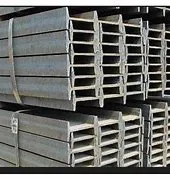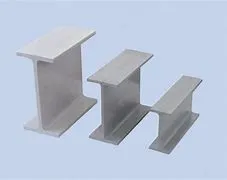
glass fiber reinforced polymer
Glass Fiber Reinforced Polymer
Product Overview
The glass fiber reinforced polymer (GFRP) is a robust composite material that integrates glass fibers into a polymer matrix, enhancing its mechanical properties. This innovative material is designed for various industrial applications, offering superior strength, lightweight characteristics, and excellent resistance to environmental factors. GFRP is increasingly becoming the material of choice for engineers and designers looking to optimize performance and durability in their projects.
Key Features
- High Strength-to-Weight Ratio: GFRP provides exceptional strength while remaining lightweight, making it ideal for applications where weight savings are crucial.
- Corrosion Resistance: The polymer matrix protects the glass fibers, ensuring longevity in corrosive environments.
- Thermal Stability: GFRP maintains its mechanical properties across a wide range of temperatures, making it suitable for diverse applications.
- Electrical Insulation: GFRP is a non-conductive material, making it safe for use in electrical applications.
- Customizable Properties: The composition of GFRP can be tailored to meet specific requirements, including varying fiber volume fractions and types of resins.
Technical Specifications
| Property | Value |
|---|---|
| Density | 1.5 - 2.0 g/cm³ |
| Tensile Strength | 350 - 700 MPa |
| Compressive Strength | 250 - 600 MPa |
| Flexural Strength | 400 - 900 MPa |
| Thermal Conductivity | 0.2 - 0.4 W/m·K |
| Service Temperature Range | -40°C to 120°C |
Application Scenarios
The versatility of glass fiber reinforced polymer allows it to be utilized across a multitude of industries, including:
- Aerospace: Used for lightweight structural components, GFRP helps improve fuel efficiency.
- Automotive: Incorporating GFRP in vehicle design reduces weight without compromising safety.
- Construction: GFRP is ideal for structural reinforcements and forming elements in harsh environments.
- Marine: The corrosion resistance of GFRP makes it suitable for parts exposed to saltwater.
- Electrical: Used in insulators and other components where electrical conductivity must be avoided.
Advantages
Choosing glass fiber reinforced polymer offers numerous advantages over traditional materials:
- Durability: GFRP's resistance to chemicals and moisture ensures a long lifespan, reducing maintenance costs.
- Lightweight: The reduced weight improves handling and transportation, especially in large-scale applications.
- Cost-Effectiveness: While initial costs may be higher, the longevity and reduced maintenance of GFRP lead to lower total ownership costs.
- Eco-Friendly: GFRP can be manufactured with recyclable materials and contributes to sustainable practices.
Why Choose Us
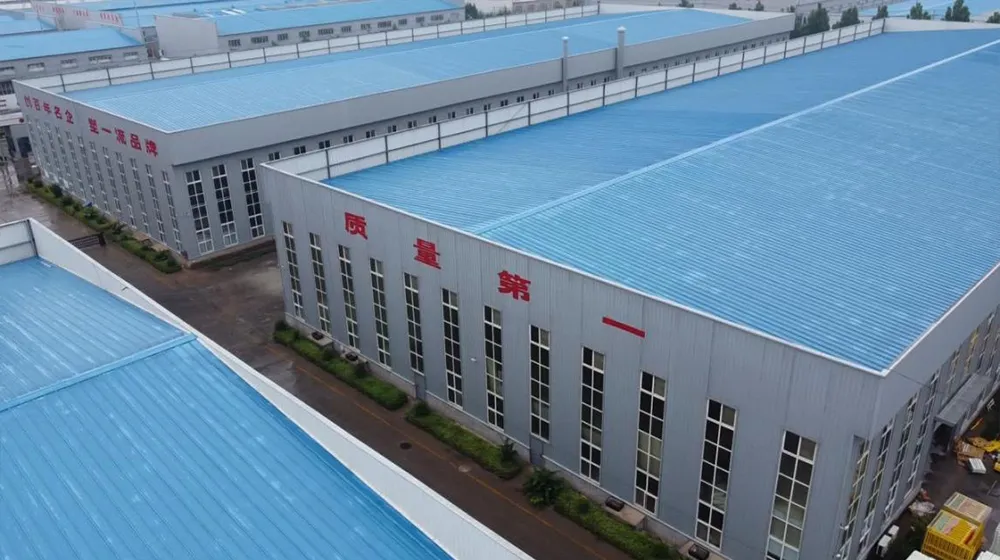
Our company specializes in providing high-quality glass fiber reinforced polymer products tailored to meet the specific needs of our clients. With years of experience in the industry, we pride ourselves on:
- Expertise: Our team consists of industry experts who understand the complexities of composite materials.
- Quality Assurance: We adhere to strict quality control measures, ensuring that our GFRP products meet international standards.
- Custom Solutions: We work closely with our clients to develop customized solutions that fit their unique requirements.
- Customer Support: Our dedicated support team is available to assist you throughout the entire purchasing process.
FAQ
1. What is glass fiber reinforced polymer?
Glass fiber reinforced polymer is a composite material consisting of a polymer matrix reinforced with glass fibers, which enhances its mechanical strength and durability.
2. What are the main benefits of using GFRP?
GFRP offers several benefits, including high strength-to-weight ratio, corrosion resistance, thermal stability, electrical insulation, and customizable properties.
3. In what industries is GFRP commonly used?
GFRP is widely used in aerospace, automotive, construction, marine, and electrical industries due to its versatile properties.
4. Can GFRP be recycled?
While recycling GFRP can be challenging, advancements in technology are making it increasingly feasible, contributing to sustainability efforts.
5. How does GFRP compare to traditional materials like steel and aluminum?
GFRP is significantly lighter than steel and aluminum, offers superior corrosion resistance, and can be molded into complex shapes, making it a preferred choice in many applications.