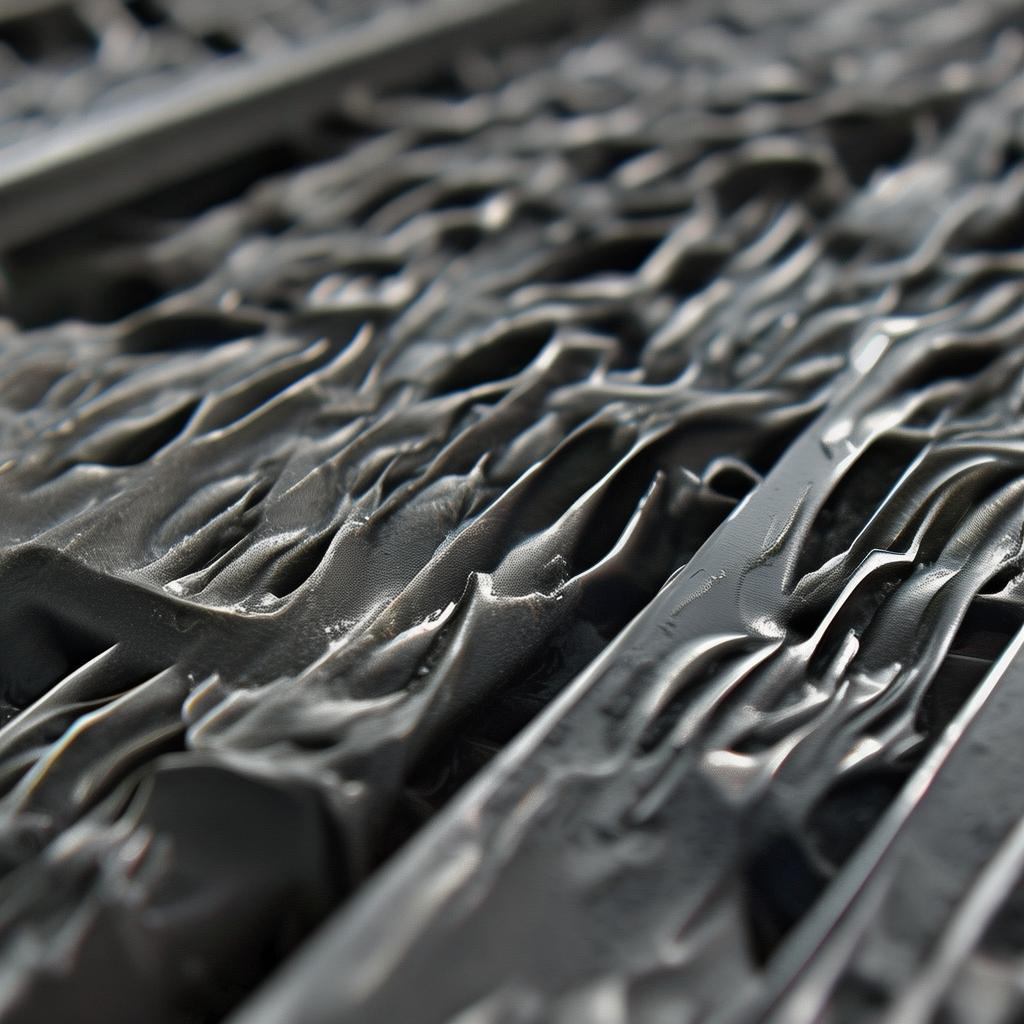
synthetic rebar
Synthetic Rebar
Product Overview
Synthetic rebar, also known as composite rebar, is an innovative reinforcement material designed to enhance the structural integrity of concrete structures. Unlike traditional steel rebar, synthetic rebar is made from high-performance polymer composites, providing a lightweight, corrosion-resistant, and non-conductive alternative. This makes synthetic rebar ideal for a variety of applications in construction, infrastructure, and industrial projects, particularly in environments where traditional steel rebar would be susceptible to corrosion and deterioration.
Key Features
- Corrosion Resistance: Synthetic rebar is impervious to rust and other forms of corrosion, ensuring longevity in harsh environments.
- Lightweight: Weighing significantly less than steel, synthetic rebar offers ease of handling and installation.
- Non-Conductive: Ideal for electrical applications, synthetic rebar does not conduct electricity, minimizing safety risks.
- High Strength-to-Weight Ratio: Provides excellent tensile strength while reducing overall weight in construction projects.
- Eco-Friendly: Manufactured from recyclable materials, synthetic rebar contributes to sustainable building practices.
Technical Specifications
| Property | Value |
|---|---|
| Material | Polymer Composite |
| Density | 1.6 g/cm³ |
| Tensile Strength | ≥ 600 MPa |
| Flexural Strength | ≥ 300 MPa |
| Thermal Conductivity | Low |
| Length Options | 2m, 3m, 4m, Custom |
Application Scenarios
Synthetic rebar is versatile and can be employed in a variety of construction scenarios, including:
- Bridges: Its corrosion resistance makes synthetic rebar ideal for bridge reinforcement, particularly in coastal areas.
- Marine Structures: Used in docks, piers, and seawalls where exposure to saltwater is prevalent.
- Highway Barriers: Provides structural support in traffic barriers, enhancing safety and durability.
- Building Foundations: Suitable for foundations in aggressive soil conditions where corrosion of steel would lead to structural failure.
- Electrical Applications: Non-conductive properties make it perfect for use in areas where electrical grounding is critical.
Advantages
The adoption of synthetic rebar in construction offers several distinct advantages over traditional steel reinforcement:
- Cost-Effective: Reduced maintenance and replacement costs due to its durability lead to long-term savings.
- Increased Safety: Lightweight nature reduces the risk of injury during handling and installation.
- Design Flexibility: Available in various sizes and strengths, allowing for customized solutions to meet specific project requirements.
- Faster Installation: Lightweight and easy to work with, synthetic rebar facilitates quicker project completion.
- Reduced Environmental Impact: Contributes to sustainable construction practices, minimizing carbon footprints.
Why Choose Us
When selecting a supplier for synthetic rebar, it’s crucial to choose a partner with proven expertise and a commitment to quality. Here’s why we stand out:
- Industry Experience: Our team has years of experience in the construction materials industry, specializing in advanced composite technologies.
- Quality Assurance: All our products undergo rigorous testing to ensure they meet or exceed international standards.
- Customer-Centric Approach: We prioritize our customers' needs, providing tailored solutions and dedicated support throughout the project lifecycle.
- Global Reach: We serve clients across various international markets, ensuring timely delivery and compliance with local regulations.
- Innovative Solutions: We continuously invest in research and development to enhance our product offerings and meet evolving industry demands.
FAQ
What is synthetic rebar made of?
Synthetic rebar is made from advanced polymer composites, which provide high strength and durability while being lightweight and corrosion-resistant.
How does synthetic rebar compare to traditional steel rebar?
Synthetic rebar is significantly lighter, non-corrosive, and non-conductive, making it an ideal choice for environments where steel may fail due to rust or electrical conductivity.
Can synthetic rebar be used in seismic zones?
Yes, synthetic rebar is designed to withstand various stresses, including seismic loads, providing reliable reinforcement in earthquake-prone areas.
What are the temperature limitations for synthetic rebar?
Synthetic rebar can withstand a wide range of temperatures, typically between -40°C to 80°C (-40°F to 176°F), without compromising its structural integrity.
Is synthetic rebar environmentally friendly?
Yes, synthetic rebar is made from recyclable materials and contributes to sustainable construction practices, reducing environmental impact.