




Introduction
1 1/2 ring shank coil nails represent a fastening solution critical to the structural integrity of numerous construction and industrial applications. These nails, typically manufactured from carbon steel wire, are designed for use in pneumatic nail guns, providing rapid and efficient fastening in framing, sheathing, roofing, and general carpentry. Their ring shank design—circumferential ribs around the nail shaft—significantly enhances withdrawal resistance compared to smooth shank nails, making them ideal for applications subject to vibration or dynamic loads. The ‘coil’ configuration allows for a high nail capacity within the nail gun magazine, minimizing downtime for reloading. This guide details the material science, manufacturing processes, performance characteristics, potential failure modes, and relevant industry standards governing 1 1/2 ring shank coil nails, serving as a comprehensive resource for engineers, procurement specialists, and construction professionals.
Material Science & Manufacturing
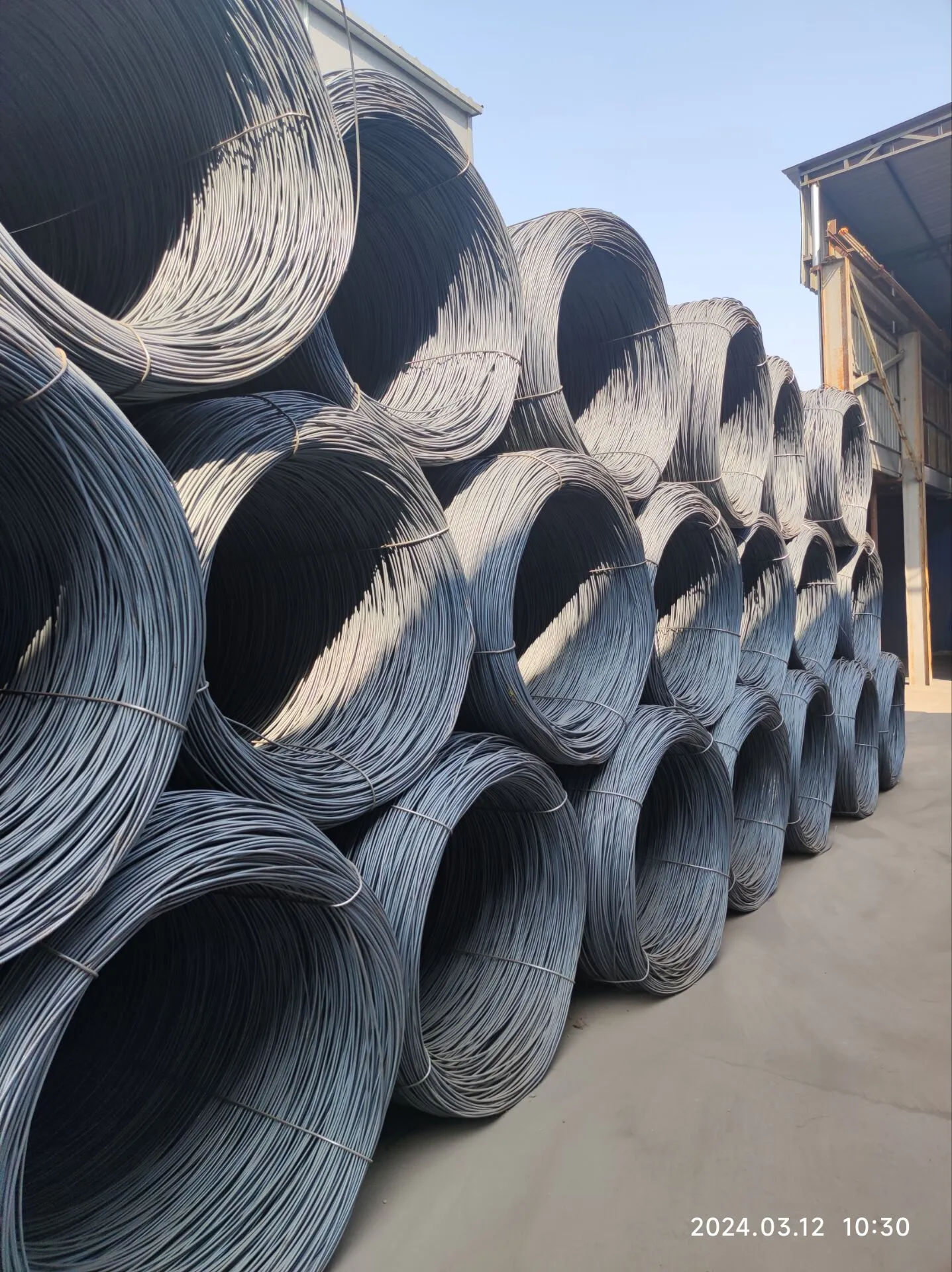
The core material for 1 1/2 ring shank coil nails is typically SAE 1008 carbon steel, selected for its balance of ductility, tensile strength, and cost-effectiveness. The steel’s composition includes approximately 0.08% carbon, 0.60-0.90% manganese, and residual amounts of phosphorus and sulfur. The wire is drawn through a series of dies to achieve the desired diameter, typically ranging from 0.131 to 0.148 inches for 1 1/2 inch length nails. This cold drawing process work hardens the steel, increasing its yield strength. The ring shank is formed via a knurling process, using rotating rollers to press the circumferential ribs into the nail shaft. Precision in this process is crucial, as inconsistent rib depth or spacing can compromise withdrawal resistance. A phosphate coating, commonly zinc phosphate, is applied to enhance corrosion resistance. This coating forms a conversion layer that passivates the steel surface. Finally, the nails are lubricated with a wax coating to facilitate smooth feeding through the nail gun. Parameter control during manufacturing is critical; wire diameter tolerances are typically ±0.001 inches, rib depth ±0.005 inches, and coating thickness ±0.0001 inches. Variations exceeding these tolerances can significantly impact performance.
Performance & Engineering
The performance of 1 1/2 ring shank coil nails is governed by several key engineering principles. Withdrawal resistance, the primary advantage of ring shank nails, is a function of the rib geometry, wood density, and nail angle. The ribs create a mechanical interlock with the wood fibers, requiring significantly more force to extract the nail compared to a smooth shank nail. Shear strength, essential for resisting lateral forces, is determined by the nail’s cross-sectional area and the steel’s shear modulus. Force analysis demonstrates that the nail experiences both tensile and shear stresses during installation and under load. Environmental resistance is a significant consideration; prolonged exposure to moisture and corrosive environments can lead to rust and degradation of the nail’s mechanical properties. Compliance requirements, particularly those related to building codes and safety standards, dictate the allowable nail spacing and penetration depth for specific applications. For instance, the International Building Code (IBC) specifies requirements for nail schedules in wood framing based on wind loads and seismic zones. The nails must demonstrate sufficient holding power according to ASTM F1667, Standard Test Methods for Withdrawal Resistance of Nails. Correct nail gun settings (air pressure, depth adjustment) are crucial for optimal performance and preventing nail bending or incomplete penetration.
Technical Specifications
| Parameter | Typical Value | Testing Standard | Tolerance |
|---|---|---|---|
| Nail Length | 1.5 inches (38.1 mm) | ASTM F1667 | ±0.01 inches |
| Shank Diameter | 0.131 - 0.148 inches (3.33 - 3.76 mm) | ASTM F1667 | ±0.001 inches |
| Ring Shank Geometry | 0.030 inch (0.76 mm) rib height, 0.125 inch (3.18 mm) rib spacing | Visual Inspection | ±0.005 inches |
| Steel Grade | SAE 1008 Carbon Steel | ASTM A684 | Per Material Certificate |
| Coating Type | Zinc Phosphate | ASTM B633 | 0.5 - 2.0 mg/in² |
| Withdrawal Resistance (Pine) | > 200 lbs (890 N) | ASTM F1667 | N/A |
Failure Mode & Maintenance
1 1/2 ring shank coil nails can fail through several mechanisms. Fatigue cracking can occur under repeated cyclical loading, especially in applications subjected to vibration. This initiates at stress concentrations, such as the rib-shank junction, and propagates until complete nail fracture. Corrosion is a prevalent failure mode, particularly in exterior applications or environments with high humidity. Rust weakens the nail, reducing its tensile and shear strength. Galvanic corrosion can occur if the nail is in contact with dissimilar metals. Shear failure results from excessive lateral loads exceeding the nail's shear strength. Bending or kinking during installation, often caused by incorrect nail gun settings or encountering dense wood, compromises the nail's integrity. Delamination of the phosphate coating reduces corrosion resistance. Maintenance primarily focuses on preventing corrosion. Periodic inspection of structures using these nails can identify early signs of rust. Applying protective coatings to the surrounding wood can further mitigate corrosion. If corrosion is detected, replacing the affected nails is the recommended course of action. Ensuring proper nail gun maintenance – cleaning and lubrication – prevents installation failures. Storage of unused nails in a dry environment is also critical.
Industry FAQ
Q: What is the impact of wood density on the withdrawal resistance of these nails?
A: Wood density is a critical factor. Hardwoods, such as oak and maple, provide significantly higher withdrawal resistance than softwoods like pine and fir. The tighter grain structure and increased fiber density in hardwoods offer greater mechanical interlock with the ring shank. Therefore, nail schedules and spacing must be adjusted based on the wood species being used.
Q: How does the gauge of the nail gun affect the performance of the nails?
A: Incorrect gauge settings can lead to underdriven or overdriven nails. Underdriven nails lack sufficient penetration and holding power, while overdriven nails can damage the surrounding wood and reduce withdrawal resistance. The nail gun should be calibrated to the specific nail type and wood species, ensuring proper seating without bending or kinking the nail.
Q: Are these nails suitable for use with treated lumber?
A: Yes, but caution is advised. The chemical treatments used in lumber preservation can accelerate corrosion. Using nails with a heavier phosphate coating or stainless steel nails is recommended for treated lumber applications to prevent premature failure. Ensure the treatment chemicals are compatible with the nail's coating.
Q: What is the difference between ring shank and screw shank nails?
A: Both ring shank and screw shank nails offer increased withdrawal resistance compared to smooth shank nails. Screw shank nails provide even higher holding power, but they are more prone to splitting the wood during installation, especially in hardwoods. Ring shank nails offer a good balance between holding power and wood compatibility.
Q: How do I determine the appropriate nail spacing for my application?
A: Nail spacing is dictated by building codes (e.g., IBC) and engineering calculations. Factors influencing spacing include wind loads, seismic activity, the type of wood framing, and the nail size. Always consult relevant building codes and a qualified structural engineer for critical applications.
Conclusion
1 1/2 ring shank coil nails represent a robust and efficient fastening solution for a wide array of construction and industrial applications. Their superior withdrawal resistance, coupled with the convenience of coil-feeding, makes them a preferred choice for framing, sheathing, and roofing. Understanding the material science, manufacturing processes, and performance characteristics of these nails is paramount to ensuring structural integrity and long-term durability. Careful consideration must be given to wood species, environmental conditions, and compliance requirements to optimize nail performance and prevent premature failure.
Moving forward, advancements in coating technologies and steel alloys promise to further enhance the corrosion resistance and strength of these nails. The development of more precise manufacturing techniques will ensure consistent rib geometry and optimal holding power. Continued adherence to industry standards and best practices will be crucial for maintaining the reliability and safety of structures fastened with 1 1/2 ring shank coil nails. Proper storage, gun maintenance, and material selection are key to realizing their full potential.