



Introduction
1 1/4 inch coarse thread drywall screws are a crucial fastening element in modern construction, specifically designed for the efficient and secure attachment of drywall (gypsum board) to wood or metal framing. These screws represent a specialized subset within the broader fastener industry, distinguished by their thread pattern optimized for quick penetration and strong holding power in drywall applications. Their performance directly impacts the structural integrity, safety, and aesthetic finish of interior walls and ceilings. The coarse thread design is paramount, providing increased grip within the relatively soft gypsum core and the supporting structural members. This guide will provide an in-depth technical analysis of these screws, encompassing material science, manufacturing processes, performance characteristics, potential failure modes, and relevant industry standards. A core industry pain point revolves around consistent screw performance - avoiding stripping, snapping, or protrusion, all of which impact labor costs and quality of the final build.
Material Science & Manufacturing
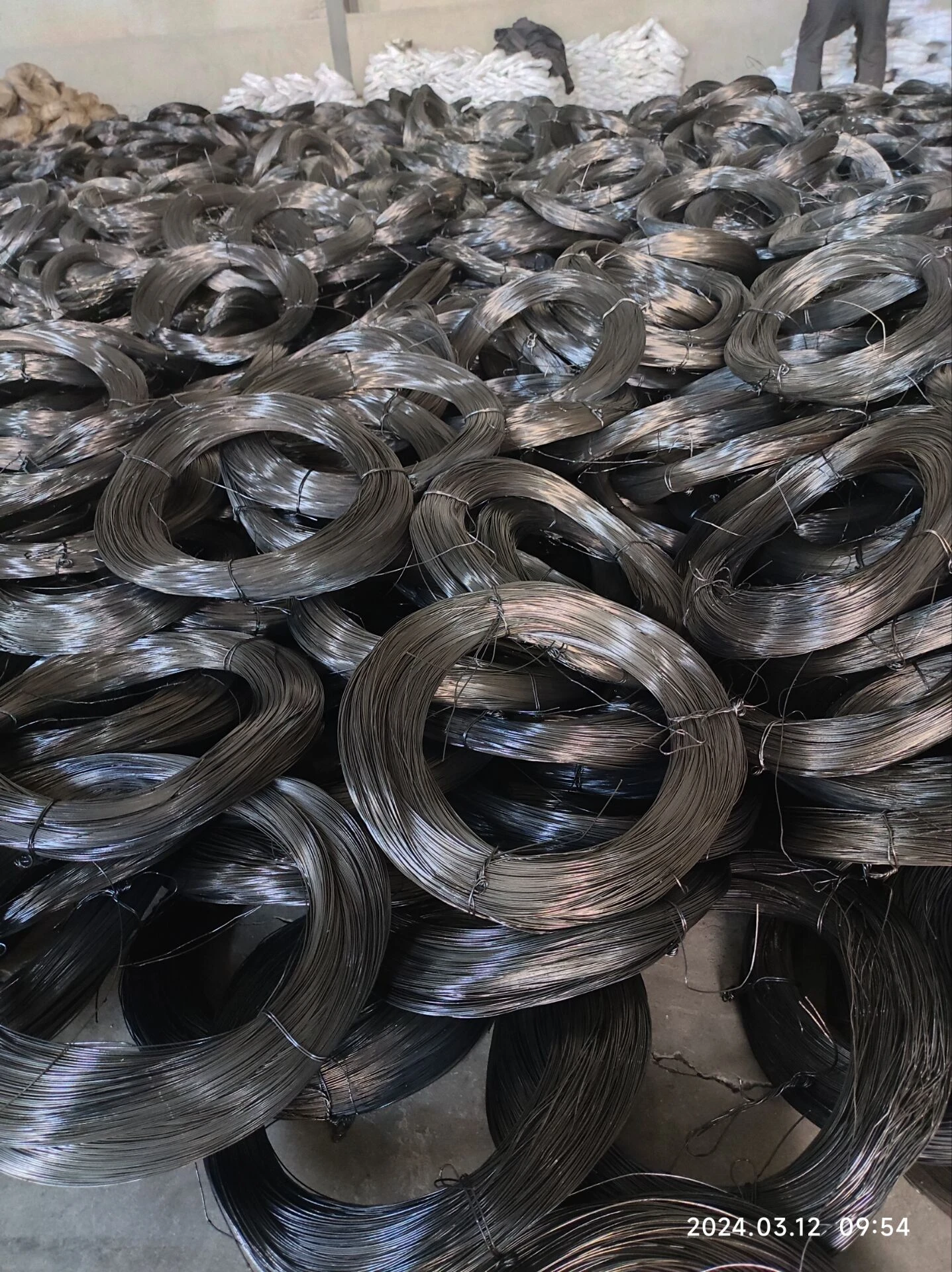
The primary material for 1 1/4" coarse thread drywall screws is typically carbon steel, specifically SAE 1022 or similar grades. This steel offers a balance of strength, ductility, and cost-effectiveness. The steel wire, initially sourced in coil form, undergoes several critical processing steps. First, it is drawn through a series of dies to achieve the desired diameter. The wire is then heat-treated to enhance its tensile strength and hardenability. Crucially, the head is cold-formed onto the wire using a header machine. This cold-forming process work-hardens the steel, further increasing its strength in the head region where stress concentration is highest. The coarse thread is then rolled onto the shank using a threading machine. This rolling process, unlike cutting, actually improves the strength of the steel by aligning the grain structure along the thread form. The coating, typically zinc or phosphate, is applied through electroplating or chemical processes to provide corrosion resistance. Zinc coatings offer sacrificial protection, while phosphate coatings improve paint adhesion. Parameter control during heat treatment (temperature, dwell time, cooling rate) is vital to achieving optimal mechanical properties. Variations in steel composition impact ductility, while inconsistencies in thread rolling can lead to weakened screw performance. Chemical compatibility between the screw coating and surrounding construction materials (e.g., treated lumber, metal studs) must also be considered to prevent galvanic corrosion.
Performance & Engineering
The performance of 1 1/4" drywall screws is critically dependent on their shear strength, tensile strength, and torsional resistance. Shear strength, the ability to resist forces acting parallel to the screw shank, is paramount when the drywall is subjected to lateral loads. Tensile strength dictates the screw's resistance to being pulled out of the substrate. Torsional resistance determines how well the screw withstands rotational forces during installation and in service. Engineering analysis focuses on the screw’s ability to create a secure connection between the drywall and framing members, preventing pull-through or stripping. The coarse thread is engineered to maximize the number of threads engaged within the drywall core, increasing pull-out resistance. The bugle head design is specifically optimized to countersink into the drywall surface without tearing the paper facing, preventing crumbling and ensuring a smooth, paintable surface. Compliance with ASTM C1002, Standard Specification for Drywall Screws, is mandatory in most construction applications. This standard specifies requirements for screw dimensions, mechanical properties, and coating quality. Environmental resistance is also a key consideration; screws used in high-humidity environments require more robust corrosion protection.
Technical Specifications
| Parameter | Specification (Typical) | Testing Standard | Units |
|---|---|---|---|
| Nominal Length | 1 1/4 inch (31.75 mm) | ASTM C1002 | inches / mm |
| Diameter | #8 (4.2 mm) | ASTM C1002 | mm |
| Thread Type | Coarse (typically 8 threads per inch) | ASTM C1002 | TPI |
| Head Type | Bugle | ASTM C1002 | - |
| Minimum Tensile Strength | 510 MPa | ASTM C1002 | MPa |
| Minimum Shear Strength | 345 MPa | ASTM C1002 | MPa |
| Coating | Zinc Plated / Phosphate Coated | ASTM B633 / ASTM B88 | - |
Failure Mode & Maintenance
Common failure modes for 1 1/4" drywall screws include stripping of the screw head, snapping of the shank during installation, pull-out failure from the drywall core, and corrosion. Stripping occurs when the screwdriver bit loses engagement with the screw head, often due to excessive torque or a worn bit. Shank breakage is typically caused by exceeding the screw's tensile strength, often through over-tightening or encountering unexpected resistance. Pull-out failure happens when the holding power of the screw within the drywall is insufficient, leading to detachment of the drywall sheet. Corrosion, particularly in humid environments, can weaken the screw material and reduce its load-bearing capacity. Prevention involves using the correct screw type for the application, employing properly calibrated screwdrivers with appropriate bits, avoiding over-tightening, and selecting screws with adequate corrosion resistance for the intended environment. Maintenance, in the context of installed drywall, is generally limited to addressing corrosion by replacing affected screws. Careful inspection during installation is crucial to identify and address potential issues before they escalate into failures. Fatigue cracking, though less common, can occur under sustained cyclical loading, particularly in areas subject to vibration. Failure analysis often reveals improper installation techniques as the root cause of many failures.
Industry FAQ
Q: What is the difference between coarse and fine thread drywall screws, and when should each be used?
A: Coarse thread screws are designed for softer materials like drywall and wood, providing greater holding power in these substrates. Fine thread screws are intended for use with metal studs, where they can engage more effectively with the threads in the metal. Using the wrong thread type can significantly reduce holding power and lead to failure.
Q: What impact does the screw’s coating have on its long-term performance?
A: The coating provides corrosion resistance. Zinc coatings offer sacrificial protection, meaning they corrode before the steel. Phosphate coatings improve paint adhesion and offer some corrosion resistance. The selection of coating should match the environment – for example, a higher level of corrosion protection is needed in coastal or high-humidity areas.
Q: How can I prevent stripping of the screw head during installation?
A: Use a properly sized screwdriver bit that fits snugly into the screw head. Avoid applying excessive torque. Ensure the bit is in good condition and not worn. Using an automatic screw gun with adjustable clutch settings can help prevent over-tightening.
Q: What is the significance of ASTM C1002 compliance?
A: ASTM C1002 sets minimum performance standards for drywall screws, ensuring they meet certain requirements for dimensions, mechanical properties, and coating quality. Compliance provides assurance that the screws will perform reliably and safely in their intended application.
Q: How do I identify a potentially corrosive environment that would require a more robust screw coating?
A: Consider factors like proximity to saltwater, high humidity levels, and the presence of corrosive chemicals. Buildings located in coastal areas, near industrial facilities, or in areas with frequent condensation are more prone to corrosion and require screws with enhanced corrosion protection.
Conclusion
1 1/4" coarse thread drywall screws are engineered fastening solutions critical to the integrity of interior construction. Their performance relies heavily on a complex interplay of material science, precise manufacturing processes, and adherence to industry standards like ASTM C1002. Understanding the nuances of thread design, coating types, and potential failure modes is crucial for ensuring long-term durability and safety.
Effective selection and proper installation are paramount, requiring consideration of environmental factors and substrate materials. Addressing the core industry pain point of consistent performance necessitates rigorous quality control throughout the manufacturing process and careful attention to detail during application. Future advancements may focus on developing even more corrosion-resistant coatings and optimizing screw geometries for enhanced holding power and reduced installation torque.