



Introduction
1 1/4 inch (approximately 32mm) coil nails represent a critical fastening solution across diverse construction and industrial applications. These nails, characterized by their collation into coils for use with specialized nail guns, offer significantly increased productivity compared to traditional hand-nailing or stick-fed systems. Primarily utilized in framing, sheathing, subflooring, roofing, and pallet manufacturing, their technical position within the building materials supply chain is that of a high-volume, efficient fastener. Core performance characteristics center around shear strength, bending resistance, and consistent penetration depth, all directly impacting structural integrity and the longevity of assembled components. Understanding the material properties, manufacturing processes, and potential failure modes of these coil nails is paramount for ensuring reliable and code-compliant construction. This guide provides a comprehensive technical overview of 1 1/4 inch coil nails, covering their material science, manufacturing, performance attributes, potential failure points, and relevant industry standards.
Material Science & Manufacturing
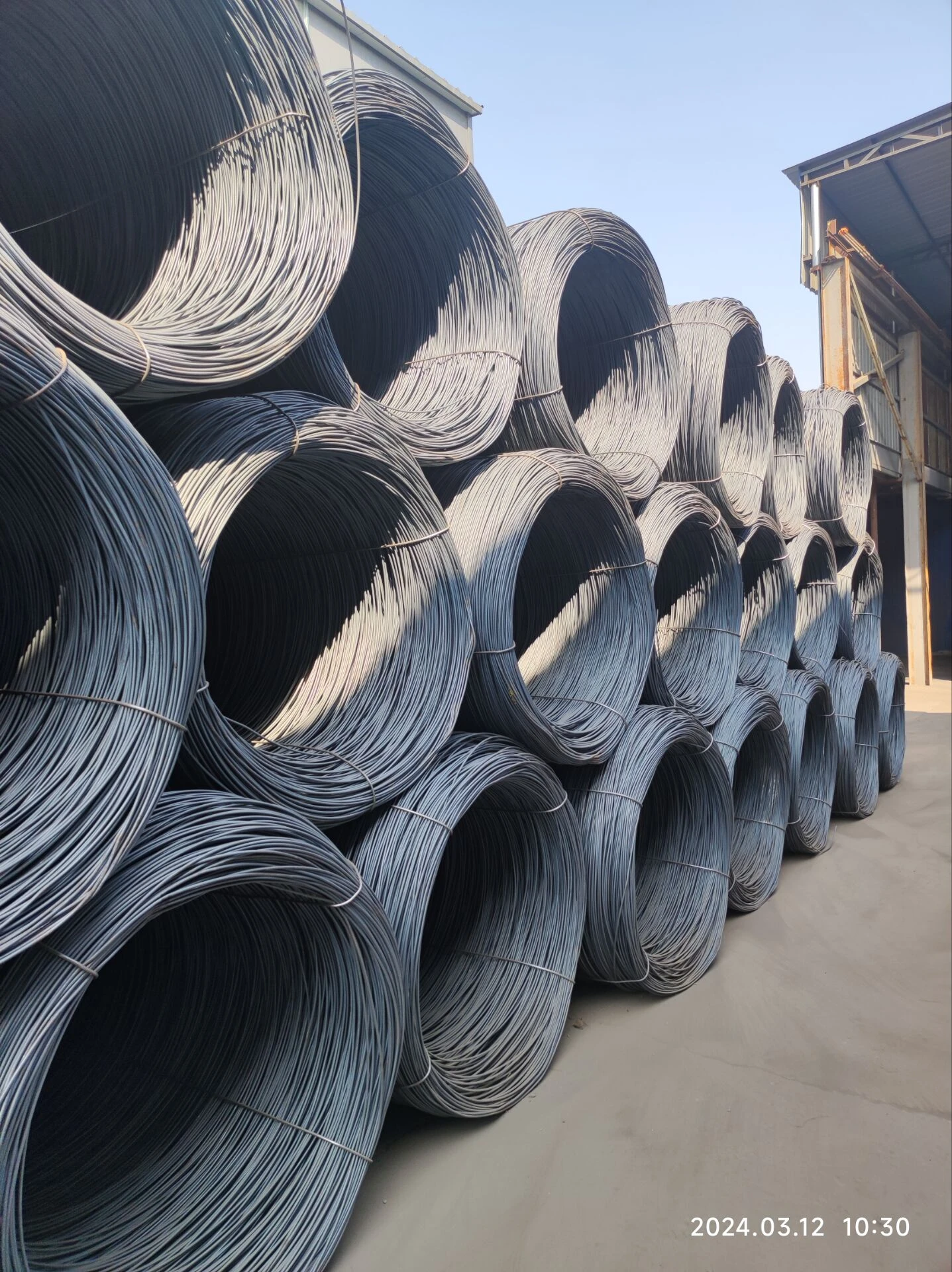
The primary material for 1 1/4 inch coil nails is typically carbon steel, specifically SAE 1008 or similar grades, chosen for its balance of ductility and strength. The steel wire undergoes a cold drawing process to achieve the desired diameter – commonly ranging from 2.9mm to 3.4mm. The wire’s tensile strength is a critical parameter, generally falling between 600-800 MPa, dictating its resistance to deformation and breakage during driving. The manufacturing process begins with the unwinding of the steel coil, followed by precision cutting and forming of the nail heads. Head styles vary (flat, countersunk, clipped) depending on the application. Subsequently, the nails are collated, typically using plastic or paper tape, and rewound into coils suitable for pneumatic nailers. Parameter control during collation is crucial; incorrect collation tension can lead to feeding issues. Surface treatment is also a significant aspect. Bright basic nails offer minimal corrosion resistance, while galvanized (zinc coating) and stainless steel coatings provide varying degrees of protection against environmental degradation. Galvanization processes include electrogalvanizing and hot-dip galvanizing, each affecting the coating thickness and corrosion protection levels. The quality of the zinc coating, measured by its weight (grams per square meter), is directly correlated to its protective capability. Precise control of the coating process is vital to prevent brittleness or premature coating failure. Furthermore, the welding process used to attach the nail head to the shank must ensure a metallurgical bond sufficient to withstand the stresses encountered during installation and in service.
Performance & Engineering
The performance of 1 1/4 inch coil nails is dictated by several key engineering principles. Shear strength, the ability to resist forces applied parallel to the nail shank, is paramount for load-bearing applications like framing. This is directly related to the nail’s diameter, material composition, and the integrity of the head-shank weld. Bending resistance determines the nail’s ability to withstand lateral forces without permanent deformation. A higher yield strength of the steel correlates to increased bending resistance. Penetration depth and angle are governed by the nail gun’s operating pressure, nail geometry, and the density of the target material. Incorrect air pressure can lead to either insufficient penetration or nail bending. Environmental resistance is a crucial factor, particularly in exterior applications. Galvanic corrosion can occur when dissimilar metals (e.g., steel nails and aluminum siding) are in contact, especially in the presence of moisture. Coating thickness and material selection (stainless steel versus galvanized steel) significantly impact corrosion resistance. Compliance requirements vary depending on the application and geographical location. Building codes often specify nail size, spacing, and corrosion resistance levels for structural applications. Force analysis during installation involves evaluating the impact force required to drive the nail fully into the substrate and the resulting stress distribution within the joined materials. Proper nail gun selection and maintenance are crucial for consistent performance and minimizing recoil-induced stress on the user.
Technical Specifications
| Parameter | Units | Typical Value | Test Standard |
|---|---|---|---|
| Nail Length | inches/mm | 1.25 / 31.75 | ASTM F1667 |
| Nail Diameter | inches/mm | 0.098-0.134 / 2.5-3.4 | ASTM F1667 |
| Steel Grade | - | SAE 1008 or equivalent | ASTM A108 |
| Tensile Strength | MPa | 600-800 | ASTM A370 |
| Yield Strength | MPa | 350-550 | ASTM A370 |
| Coating Type | - | Bright Basic, Galvanized (Electro or Hot-Dip), Stainless Steel | ASTM B633 (Galvanized) |
Failure Mode & Maintenance
Common failure modes for 1 1/4 inch coil nails include bending, head separation, shank breakage, and corrosion. Bending typically occurs when encountering excessively hard or dense materials or when the nail gun is operated at insufficient pressure. Head separation, resulting from a weak weld or material defect, compromises the nail's holding power. Shank breakage can occur due to material fatigue, excessive stress, or manufacturing flaws. Corrosion, especially in untreated nails, leads to weakening of the nail and eventual failure. Fatigue cracking can develop over time due to repeated stress cycles, particularly in applications subject to vibration. Delamination of the coating (particularly galvanization) reduces corrosion protection. Oxidation of the steel core can occur, particularly in humid environments, leading to weakening of the nail. Maintenance primarily focuses on the nail gun itself. Regular cleaning to remove debris and oil buildup prevents malfunctions. Inspecting the driver blade for wear and replacing it when necessary ensures consistent nail driving. Proper lubrication of the nail gun's internal components minimizes friction and extends its lifespan. Storage of coil nails in a dry environment prevents corrosion. Visual inspection of nails before use can identify any obvious defects, such as bent nails or damaged coatings. Disposing of damaged nails is crucial to avoid potential issues during construction. Periodic inspection of installed nails for signs of corrosion or loosening is recommended, especially in critical structural applications.
Industry FAQ
Q: What is the difference between electrogalvanized and hot-dip galvanized nails, and which is better for exterior use?
A: Electrogalvanized nails have a thinner zinc coating applied through an electrochemical process. They are generally more affordable but offer less corrosion resistance. Hot-dip galvanized nails have a thicker, more durable zinc coating applied by immersing the nails in molten zinc. This provides significantly superior corrosion protection and is the preferred choice for exterior applications, especially in harsh environments. The coating thickness, measured in grams per square meter, is the key differentiator.
Q: How does nail gun pressure affect the performance of coil nails?
A: Incorrect nail gun pressure can lead to several issues. Too low pressure results in incomplete seating of the nail, reducing its holding power. Too high pressure can cause the nail to bend, break, or be driven too deep, potentially damaging the surrounding material. Proper pressure adjustment is critical for optimal performance and depends on the nail size, material being fastened, and nail gun specifications.
Q: What steel grade is most commonly used for 1 1/4 inch coil nails, and why?
A: SAE 1008 carbon steel is the most common choice due to its excellent balance of ductility and strength. Its relatively low carbon content allows for easy forming and welding while still providing sufficient strength for most construction applications. Higher carbon steels are more brittle and prone to cracking, while lower carbon steels lack the necessary strength.
Q: What are the risks associated with using coil nails in treated lumber?
A: Treated lumber contains chemicals designed to resist decay and insect infestation. These chemicals can be corrosive to certain metals. It is crucial to use specifically coated coil nails (typically stainless steel or specially formulated galvanized nails) that are rated for use with treated lumber to prevent premature corrosion and failure. The specific treatment chemical used (e.g., ACQ, MCA) dictates the appropriate nail coating.
Q: How important is the collation type (plastic vs. paper) for coil nail performance?
A: While both plastic and paper collation systems function reliably, plastic collation generally provides greater durability and resistance to moisture. Paper collation can degrade in humid environments, potentially causing feeding issues. The choice often depends on the operating environment and the nail gun's compatibility. High-volume users often prefer plastic collation for its reliability and longevity.
Conclusion
1 1/4 inch coil nails are an indispensable fastening solution in the modern construction industry, delivering significant efficiency gains over traditional methods. Their performance is inextricably linked to material science, precise manufacturing controls, and a thorough understanding of potential failure modes. Selecting the appropriate nail coating based on the environmental conditions and compatibility with surrounding materials is paramount for long-term durability and structural integrity.
Future advancements in coil nail technology may focus on developing more corrosion-resistant coatings, optimizing nail geometries for enhanced penetration and holding power, and integrating sensor technologies for real-time monitoring of installation quality. A continued emphasis on rigorous testing and adherence to relevant industry standards will ensure the continued reliability and safety of these critical fasteners.