



Introduction
1 1/4 inch ring shank coil nails are a fastening solution primarily utilized in the wood construction industry, specifically for framing, sheathing, subflooring, and roofing applications. Positioned within the broader construction fastener supply chain, these nails represent a cost-effective alternative to traditional screw-based fastening in applications where high withdrawal resistance is paramount. Their defining feature, the ring shank, provides significantly enhanced holding power compared to smooth shank nails. Coil nail construction allows for rapid, automated installation using pneumatic nail guns, greatly increasing productivity on construction sites. Core performance characteristics include shear strength, tensile strength, bend resistance, and corrosion resistance, all of which are critical for structural integrity and longevity of the built environment. A key industry pain point revolves around balancing cost with the requirement for long-term structural reliability, particularly in regions susceptible to seismic activity or extreme weather conditions. Selecting the appropriate ring shank nail, considering material composition and shank geometry, is crucial to mitigating these risks.
Material Science & Manufacturing
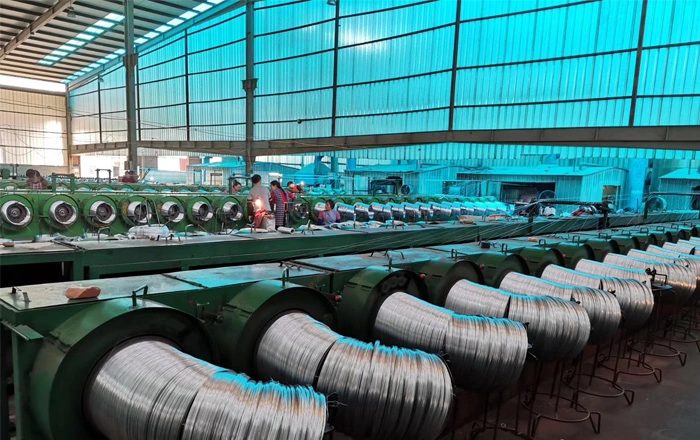
The predominant material for 1 1/4 ring shank coil nails is carbon steel, specifically SAE 1008 or equivalent. This steel offers a balance of strength, ductility, and cost-effectiveness. The manufacturing process begins with wire drawing, reducing the steel diameter to the desired nail shank gauge. The wire undergoes a cold heading process to form the nail head and shank. Crucially, the ring shank is formed via a specialized rotating die process. This process imparts a series of circumferential ridges along the shank, creating a mechanical interlock within the wood fibers. Parameter control is vital during ring shank formation; the die speed, pressure, and geometry directly influence the ring’s height, spacing, and overall effectiveness. Following ring shank formation, the nails are typically subjected to a surface treatment. Common treatments include galvanization (zinc coating) for corrosion resistance, or phosphate coating followed by powder coating for enhanced corrosion protection and color-coding. Galvanization processes vary, ranging from electro-galvanizing to hot-dip galvanizing, each providing different levels of zinc coating thickness and therefore, varying degrees of corrosion protection. The steel's tensile strength is approximately 60,000-70,000 PSI, while its shear strength is around 45,000-55,000 PSI, depending on the steel grade and heat treatment. Chemical compatibility with common wood preservatives must be considered to avoid accelerated corrosion.
Performance & Engineering
The performance of 1 1/4 ring shank coil nails is largely dictated by the mechanical interaction between the ring shank geometry and the wood fibers. The ring shank increases withdrawal resistance by creating a significantly larger contact area and mechanical interlocking within the wood. Force analysis demonstrates that a ring shank nail requires substantially more force to extract than a smooth shank nail of the same dimensions. Environmental resistance is a critical consideration, particularly in outdoor applications. Moisture ingress can lead to corrosion, weakening the nail and compromising its holding power. Galvanized coatings provide a barrier against corrosion, but the effectiveness diminishes over time, especially in environments with high salinity or acidic rain. Compliance requirements are driven by building codes, which often specify nail size, type, and spacing based on structural load calculations. For example, the International Building Code (IBC) provides prescriptive nailing schedules for various construction applications. The nail’s shank diameter, length, and head size all influence its load-bearing capacity. Engineering calculations must account for wood species, moisture content, and loading conditions to ensure structural integrity. Furthermore, the consistency of nail drive depth is crucial; underdriven nails offer reduced holding power, while overdriven nails can split the wood.
Technical Specifications
| Parameter | Specification | Testing Standard | Typical Range |
|---|---|---|---|
| Nail Length | 1 1/4 inch (31.75 mm) | ASTM F1667 | 31.6 - 31.9 mm |
| Shank Diameter (Gauge) | 8d (0.162 inch / 4.11 mm) | ASTM F1667 | 4.06 - 4.16 mm |
| Head Diameter | 3/8 inch (9.5 mm) | ASTM F1667 | 9.4 - 9.6 mm |
| Shank Type | Ring Shank | Visual Inspection | Consistent ring formation |
| Coating | Bright Galvanized / Phosphate & Powder Coated | ASTM B695 / ASTM B117 | Zinc coating thickness: 0.0015 – 0.002 inches |
| Tensile Strength | 60,000 – 70,000 PSI | ASTM F1667 | 414 – 483 MPa |
Failure Mode & Maintenance
Failure modes for 1 1/4 ring shank coil nails typically fall into several categories. Fatigue cracking can occur under cyclical loading, particularly in structures subject to wind or seismic forces. This is initiated by microscopic flaws in the nail material and propagates over time. Delamination of the wood surrounding the nail shank, especially in hardwoods, can also lead to loss of holding power. Corrosion, particularly in untreated wood or harsh environments, weakens the nail and reduces its shear strength. Oxidation of the steel, even with galvanization, contributes to long-term degradation. Proper installation is crucial. Overdriving nails can split the wood, reducing holding power. Underdriving results in insufficient engagement. Maintenance primarily revolves around periodic inspection for signs of corrosion or nail protrusion. If corrosion is detected, replacement of the affected nails is recommended. For structures exposed to severe weather, regular application of wood preservatives can help prevent corrosion and extend the lifespan of the nails. In cases of suspected fatigue damage, a structural engineer should assess the integrity of the connection and recommend appropriate remediation measures. Preventative measures include selecting nails with appropriate coating thickness for the anticipated environmental exposure.
Industry FAQ
Q: What is the difference between bright galvanized and hot-dip galvanized nails, and which should I use for exterior applications?
A: Bright galvanized nails utilize an electroplating process, resulting in a thinner, more uniform zinc coating. Hot-dip galvanized nails are immersed in molten zinc, creating a thicker, more robust coating. For exterior applications, hot-dip galvanized nails are generally recommended due to their superior corrosion resistance. The thicker zinc layer provides a longer-lasting barrier against moisture and environmental factors, delaying the onset of rust.
Q: How does the wood species affect the holding power of ring shank nails?
A: The density and grain structure of the wood significantly impact holding power. Hardwoods generally provide better holding power than softwoods due to their higher density and tighter grain. However, hardwoods can also be more prone to splitting if the nails are not properly installed. The ring shank design is effective across a broad range of wood species, but proper nail selection and installation techniques are crucial for optimal performance.
Q: What is the impact of nail gun air pressure on the performance of coil nails?
A: Incorrect air pressure can lead to either underdriven or overdriven nails. Too low pressure results in insufficient penetration, reducing holding power. Too high pressure can cause the nail to penetrate too deeply, potentially splitting the wood or bending the nail. Consult the nail gun manufacturer’s specifications for recommended air pressure settings based on the nail type and wood species.
Q: Are there any specific building code requirements regarding the use of ring shank nails for structural applications?
A: Yes, building codes, such as the International Building Code (IBC), specify nail size, type, and spacing based on structural load calculations. These codes typically reference standards like ASTM F1667 for nail specifications. It’s crucial to consult local building codes and a qualified structural engineer to ensure compliance with applicable regulations.
Q: What causes nail bending during installation, and how can it be prevented?
A: Nail bending can be caused by several factors, including excessive air pressure, hitting a knot in the wood, or using a nail gun that is not properly calibrated. Prevention involves using the correct air pressure settings, avoiding nailing into knots or dense wood areas, and ensuring that the nail gun is regularly maintained and calibrated. Using higher-quality nails with consistent shank straightness also helps to minimize bending.
Conclusion
1 1/4 inch ring shank coil nails represent a crucial fastening element within the construction industry, offering a robust and efficient solution for various wood framing applications. Their enhanced holding power, stemming from the ring shank design, coupled with the convenience of coil nail installation, makes them a preferred choice over traditional smooth shank nails. Careful consideration of material science, manufacturing processes, and environmental factors is essential to ensure long-term structural integrity and prevent premature failure.
Looking forward, advancements in coating technologies and steel alloys will likely lead to improved corrosion resistance and increased strength-to-weight ratios for these fasteners. Furthermore, integration with Building Information Modeling (BIM) software will enable more precise nail placement and optimized structural designs. Continuous adherence to relevant industry standards and rigorous quality control measures remain paramount for maintaining the reliability and performance of 1 1/4 ring shank coil nails in demanding construction environments.