



Introduction
1 5 8 drywall screws are a ubiquitous fastening element in residential and commercial construction, specifically designed for the attachment of drywall (gypsum board) to wood or metal framing. Positioned within the broader fastener industry, these screws represent a specialized subset optimized for shear strength, penetration, and minimizing damage to the drywall face. Core performance characteristics include holding power, thread pattern for efficient material engagement, and phosphate coating for corrosion resistance. The selection of appropriate drywall screws is critical to the structural integrity and longevity of wall and ceiling systems, impacting factors such as fire resistance and sound attenuation. A key industry pain point revolves around selecting the correct screw type for the substrate material (wood versus metal) and application (ceiling versus wall), as mismatched fasteners lead to installation difficulties, reduced holding power, and potential structural failure.
Material Science & Manufacturing
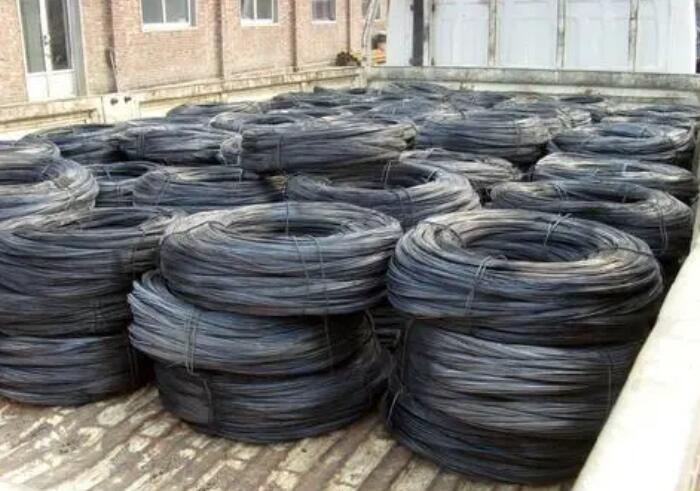
Drywall screws are predominantly manufactured from hardened steel, typically C1022 steel, chosen for its balance of tensile strength, ductility, and cost-effectiveness. The steel undergoes a cold-heading process, forming the screw head and shank from wire stock. This process work-hardens the steel, increasing its strength. The screw threads are then formed through a rolling process, which also improves the material's strength and surface finish. A phosphate coating, usually zinc phosphate, is applied to enhance corrosion resistance and provide a surface for paint adhesion. The coating process involves immersing the screws in a phosphating solution, creating a crystalline phosphate layer. The head is typically bugle-shaped, designed to countersink into the drywall surface without tearing the paper facing. Key manufacturing parameters include die temperature during thread rolling (affecting thread form and hardness), phosphate coating bath concentration (influencing coating thickness and adhesion), and heat treatment cycles (to achieve desired hardness). Chemical compatibility is critical; the phosphate coating must be compatible with drywall paper and joint compounds to prevent corrosion initiation. The yield strength of the steel is crucial, influencing the screw's ability to withstand shear forces without permanent deformation. Hydrogen embrittlement is a potential concern during phosphating and is mitigated through post-treatment baking.

Performance & Engineering
The performance of 1 5 8 drywall screws is heavily reliant on shear strength, tensile strength, and pull-out resistance. Shear strength determines the screw's ability to withstand forces acting parallel to the surface, while tensile strength is crucial for resisting forces pulling directly on the screw. Pull-out resistance, particularly important in ceiling applications, depends on the thread engagement with the substrate. Force analysis reveals that the majority of the load is transferred through the screw threads and the screw head-drywall interface. Environmental resistance is a key consideration; exposure to moisture can lead to corrosion and reduced holding power. Compliance requirements vary by region but typically include ASTM C1002 (Standard Specification for Drywall Screws) and relevant building codes. For metal framing applications, self-drilling screws are utilized to reduce installation time and prevent splitting of the metal studs. The point geometry – whether sharp, blunt, or self-drilling – significantly affects the installation torque required and the risk of drywall damage. Finite element analysis (FEA) is often employed in the design phase to optimize screw geometry and predict performance under various loading conditions. The impact resistance of the screw is also a factor, particularly in areas prone to accidental impact. The thread pitch and depth are engineered to provide optimal grip without excessively weakening the drywall.
Technical Specifications
| Screw Length (inches) | Screw Diameter (inches) | Head Type | Point Type |
|---|---|---|---|
| 1 5/8 | 0.125 | Bugle | Sharp |
| 1 5/8 | 0.125 | Bugle | Self-Drilling (for metal) |
| 1 5/8 | 0.143 | Bugle | Sharp |
| 1 5/8 | 0.143 | Bugle | Self-Drilling (for metal) |
| 1 5/8 | 0.125 | Flat | Sharp |
| 1 5/8 | 0.125 | Truss | Sharp |
Failure Mode & Maintenance
Common failure modes for 1 5 8 drywall screws include stripping of the screw head, thread failure, corrosion, and pull-out. Stripping occurs when the screwdriver bit loses engagement with the screw head, typically due to excessive torque or a worn bit. Thread failure can result from over-tightening, leading to plastic deformation or fracture of the threads. Corrosion, particularly in humid environments, weakens the screw material and reduces its holding power. Pull-out failure occurs when the screw loses its grip on the substrate, often due to insufficient thread engagement or damage to the drywall. Fatigue cracking can occur in areas subjected to repeated stress. Delamination of the drywall paper from the gypsum core can also contribute to screw failure. Maintenance primarily involves inspecting screws periodically for signs of corrosion or loosening. If screws are found to be loose, they should be replaced with new screws of the correct type. Corroded screws should also be replaced. Prevention of failure relies on proper installation techniques, selecting the appropriate screw type for the application, and ensuring adequate ventilation to minimize moisture buildup. Regular inspection and timely replacement of damaged or corroded screws are critical for maintaining structural integrity. Oxidization of the screw and subsequent rust formation leads to reduction in the clamping force, and eventual screw failure.
Industry FAQ
Q: What is the difference between drywall screws designed for wood versus metal framing?
A: Drywall screws designed for wood framing have sharp points and coarser threads to easily penetrate and grip the wood fibers. Metal framing screws, conversely, are typically self-drilling with finer threads designed to tap into the metal studs without pre-drilling. Using a wood screw in metal framing will likely result in difficulty installing the screw and reduced holding power. Conversely, a metal screw in wood may split the wood.
Q: How does the phosphate coating contribute to the performance of drywall screws?
A: The phosphate coating provides corrosion resistance, preventing rust and degradation of the screw material. It also creates a surface that improves paint adhesion and enhances the screw’s ability to grip the drywall paper. Without the coating, the screws are prone to premature failure in humid environments.
Q: What is the impact of over-tightening drywall screws?
A: Over-tightening can strip the screw head, damage the drywall paper, and potentially weaken the screw itself. Stripping makes it difficult to remove the screw and reduces its holding power. Damaged drywall paper compromises the structural integrity of the wall or ceiling.
Q: What is the significance of the bugle head shape?
A: The bugle head shape is designed to countersink into the drywall surface without tearing the paper facing. This minimizes damage to the drywall and provides a smooth, seamless finish. A poorly designed head can cause dimpling or cracking of the drywall surface.
Q: How do I determine the correct screw length for a specific drywall thickness?
A: A general rule of thumb is to penetrate the framing member by at least 1 inch. For typical 1/2-inch drywall, a 1 5/8-inch screw is commonly used. For thicker drywall (5/8-inch), a 2-inch screw may be required. Always consult local building codes and manufacturer recommendations.
Conclusion
1 5 8 drywall screws, though seemingly simple fasteners, are critical components in building construction, demanding careful consideration of material science, manufacturing processes, and performance characteristics. The interplay between steel composition, thread design, coating application, and installation technique dictates the long-term reliability and structural integrity of drywall assemblies. Addressing industry pain points surrounding substrate compatibility and corrosion resistance is paramount for minimizing failures and ensuring compliance with building codes.
Future advancements in drywall screw technology may focus on the development of more durable coatings, self-tapping designs for enhanced efficiency, and smart fasteners with integrated sensors for monitoring stress and detecting potential failures. Continuous research and development, coupled with strict adherence to industry standards, will be essential for maintaining the safety and longevity of built environments.