



Introduction
1 5/8 inch drywall screws are a fundamental fastening element in modern construction, specifically designed for securing gypsum wallboard (drywall) to wood or metal studs. Their technical position within the building materials supply chain is as a direct component of interior finishing, relying on upstream production of steel or carbon steel wire, and impacting downstream applications like painting, texturing, and overall building aesthetics. Core performance characteristics center around shear strength, tensile strength, penetration depth, and corrosion resistance. Unlike general-purpose wood screws, drywall screws are specifically hardened to prevent snapping during installation and possess a bugle head designed to dimple the drywall surface without tearing the paper facing. The increasing demand for faster construction techniques and improved building energy efficiency drives the continued refinement of drywall screw designs, particularly regarding self-drilling capabilities and coating technologies. A primary industry pain point revolves around consistent screw quality, leading to issues like stripping, breakage, and premature failure, ultimately increasing labor costs and potentially compromising structural integrity.
Material Science & Manufacturing
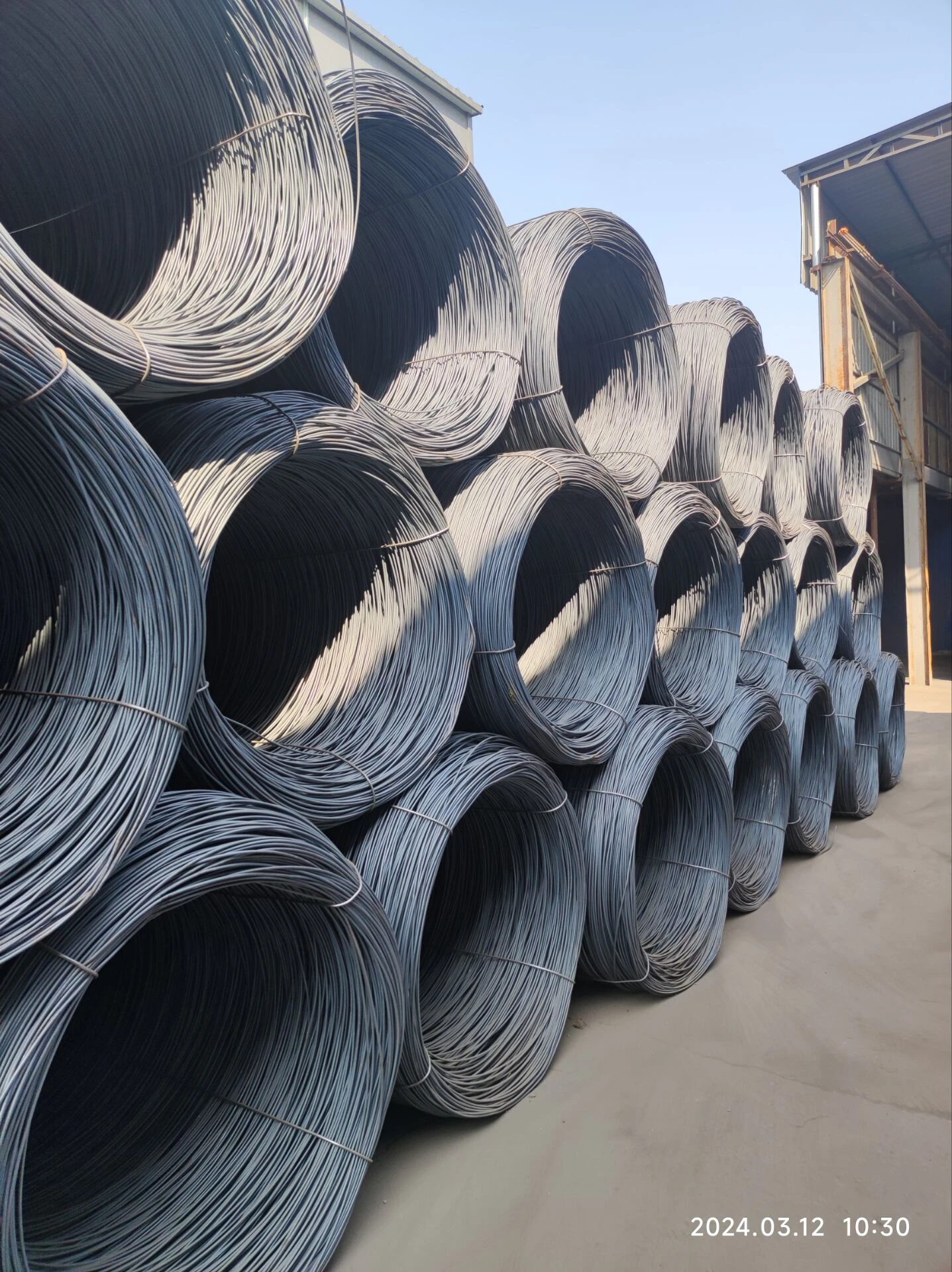
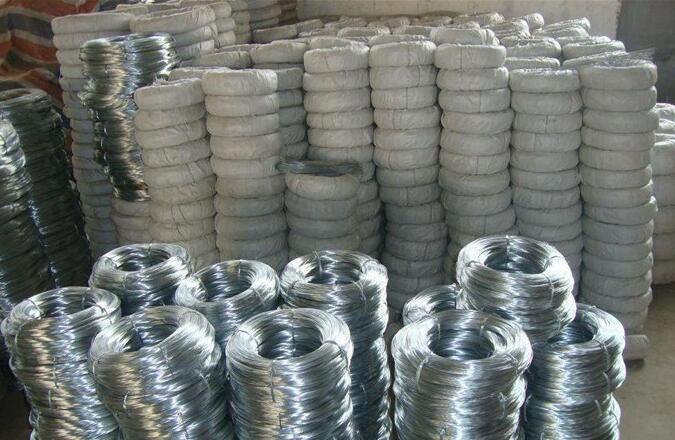
The primary raw material for 1 5/8 inch drywall screws is typically carbon steel, specifically SAE 1022 or similar grades, chosen for their balance of strength, ductility, and cost-effectiveness. The steel undergoes a cold heading process, where wire is fed into a machine that shears it and forms the screw head and shank. Key physical properties of the steel include a tensile strength ranging from 85,000 to 120,000 PSI, a shear strength of approximately 70,000 PSI, and a Rockwell hardness of C18-C22 after heat treatment. Chemical composition is tightly controlled, with carbon content typically between 0.20% and 0.25% to facilitate hardening. Manufacturing involves several critical steps: wire drawing to achieve the desired diameter, cold heading to form the screw shape, thread rolling using hardened dies to create the screw threads, and finally, heat treatment (hardening and tempering) to achieve the required mechanical properties. Surface coatings, such as zinc plating or phosphate coating, are applied to enhance corrosion resistance. The manufacturing process is subject to stringent quality control measures, including dimensional checks, hardness testing, and coating thickness verification, to ensure consistent product performance. Parameter control during thread rolling is crucial; improper die pressure can lead to thread defects, reducing holding power and increasing the risk of stripping. Precise heat treatment timing and temperature are vital for achieving optimal hardness without compromising brittleness.
Performance & Engineering
The performance of 1 5/8 inch drywall screws is governed by several engineering principles. Force analysis focuses on shear and tensile loads experienced during installation and in-service. Shear strength is critical for resisting lateral forces applied to the drywall surface, while tensile strength dictates the screw’s ability to withstand pulling forces. The bugle head design minimizes drywall damage by creating a countersunk hole without fracturing the paper face, which is essential for maintaining the structural integrity of the wall. Environmental resistance is achieved through protective coatings like zinc plating, which acts as a sacrificial anode to prevent corrosion of the steel substrate. Compliance requirements are dictated by ASTM C954/C954M – 23, Standard Specification for Steel Drywall Screws, which outlines specific requirements for material, dimensions, mechanical properties, and coating quality. The screw's thread geometry is optimized for efficient penetration into both wood and metal studs. Self-drilling screws, equipped with a sharpened point and aggressive thread design, reduce the need for pre-drilling, accelerating installation. Load distribution is influenced by stud spacing; closer stud spacing reduces the shear load on individual screws. Understanding the interaction between screw length, stud material, and applied loads is vital for ensuring long-term performance and preventing wall failures.
Technical Specifications
| Parameter | Specification (Typical) | Testing Standard | Tolerance |
|---|---|---|---|
| Nominal Length | 1 5/8 inch (41.3 mm) | ASTM C954 | ± 0.125 inch (± 3.2 mm) |
| Diameter (Shank) | #8 (4.2 mm) | ASTM C954 | ± 0.005 inch (± 0.13 mm) |
| Head Type | Bugle | Visual Inspection | Compliant with Profile |
| Material | Carbon Steel (SAE 1022) | Chemical Analysis | As per Material Specification |
| Coating | Zinc Plated (Type I) | ASTM B633 | 0.20 - 0.30 mil thickness |
| Tensile Strength | 90,000 - 110,000 PSI | ASTM C954 | Minimum Value |
Failure Mode & Maintenance
Common failure modes for 1 5/8 inch drywall screws include stripping of the screw head, breakage of the shank, and corrosion leading to loss of holding power. Stripping occurs when the screwdriver bit loses engagement with the screw head, often due to excessive torque or a worn bit. Shank breakage typically results from exceeding the tensile strength of the screw, often caused by driving the screw too deeply into dense wood or metal, or by encountering a hidden obstruction. Corrosion, particularly in humid environments or where dissimilar metals are present, can weaken the screw over time. Failure analysis reveals that brittle fractures often originate at surface imperfections or along grain boundaries in the steel. Preventive maintenance involves using the correct screwdriver bit type and size, applying appropriate torque settings, and avoiding overdriving the screws. In corrosive environments, using corrosion-resistant screws with enhanced coatings (e.g., epoxy-coated) is recommended. If stripping occurs, a screw extractor tool can sometimes be used to remove the damaged screw. For broken screws, drilling out the remaining shank and patching the hole is often necessary. Regular inspection of screw heads for signs of corrosion or loosening can help identify potential problems before they lead to structural issues.
Industry FAQ
Q: What is the difference between Type I and Type II drywall screw coatings, and which should be used in a coastal environment?
A: Type I coatings are typically zinc plated, offering moderate corrosion resistance suitable for interior, dry environments. Type II coatings generally involve a heavier zinc coating or the addition of other corrosion inhibitors, providing significantly better protection against rust and corrosion. In a coastal environment, where salt spray is prevalent, Type II screws with a heavier zinc coating or screws specifically designed for corrosion resistance (e.g., stainless steel or epoxy-coated) are strongly recommended to prevent premature failure.
Q: Can drywall screws be used to attach wood furring strips to concrete?
A: While technically possible, it's not recommended. Drywall screws are designed for fastening into wood or metal studs. Concrete requires specialized concrete screws or anchor bolts that are engineered to withstand the compressive forces and provide adequate holding power in concrete. Using drywall screws in concrete will likely result in stripping, pull-out failure, and an unstable installation.
Q: What torque setting should I use when installing drywall screws with a screw gun?
A: The optimal torque setting depends on the screw gun’s clutch settings and the material being fastened. A general guideline is to adjust the clutch so that the screw drives flush with the drywall surface without tearing the paper. Overdriving can damage the drywall, while underdriving can lead to a weak connection. Start with a lower setting and gradually increase it until you achieve the desired result. Many screw guns have depth-sensing technology to assist with consistent screw placement.
Q: How does screw length affect the holding power of drywall?
A: Sufficient penetration into the stud is critical for optimal holding power. 1 5/8 inch screws are generally sufficient for 1/2 inch drywall and 2x4 wood studs. For thicker drywall (5/8 inch) or metal studs, longer screws may be required to ensure adequate thread engagement. The rule of thumb is that at least half the screw length should penetrate into the stud material.
Q: What causes drywall screws to snap during installation?
A: Screw snapping typically indicates excessive force or stress. Common causes include using a worn or incorrect screwdriver bit, encountering a knot or obstruction in the wood, attempting to drive the screw at an angle, or the screw material being of poor quality. It can also happen if the screw gun's torque is set too high and the screw is stressed beyond its yield strength. Using proper technique and ensuring high-quality screws will mitigate this risk.
Conclusion
1 5/8 inch drywall screws represent a seemingly simple, yet critically important fastening solution in the construction industry. Their consistent performance relies on a complex interplay of material science, precise manufacturing processes, and adherence to stringent industry standards like ASTM C954. Understanding the screw’s mechanical properties, potential failure modes, and appropriate application techniques is essential for ensuring long-term structural integrity and preventing costly repairs.
Future development in drywall screw technology will likely focus on enhanced corrosion resistance through advanced coating materials, improved self-drilling capabilities for faster installation, and integration of smart features for quality control and performance monitoring. A continued emphasis on material traceability and rigorous testing will be vital for maintaining the reliability and safety of these essential building components.